Target Priority Tier List: 10 Tower Defense Games Where Smart Targeting Beats Raw DPS
A tiered ranking of tower defense games that reward players for mastering targeting rules, retargeting windows, slows, splash alignment, and enemy-priority decisions instead of simply stacking damage.
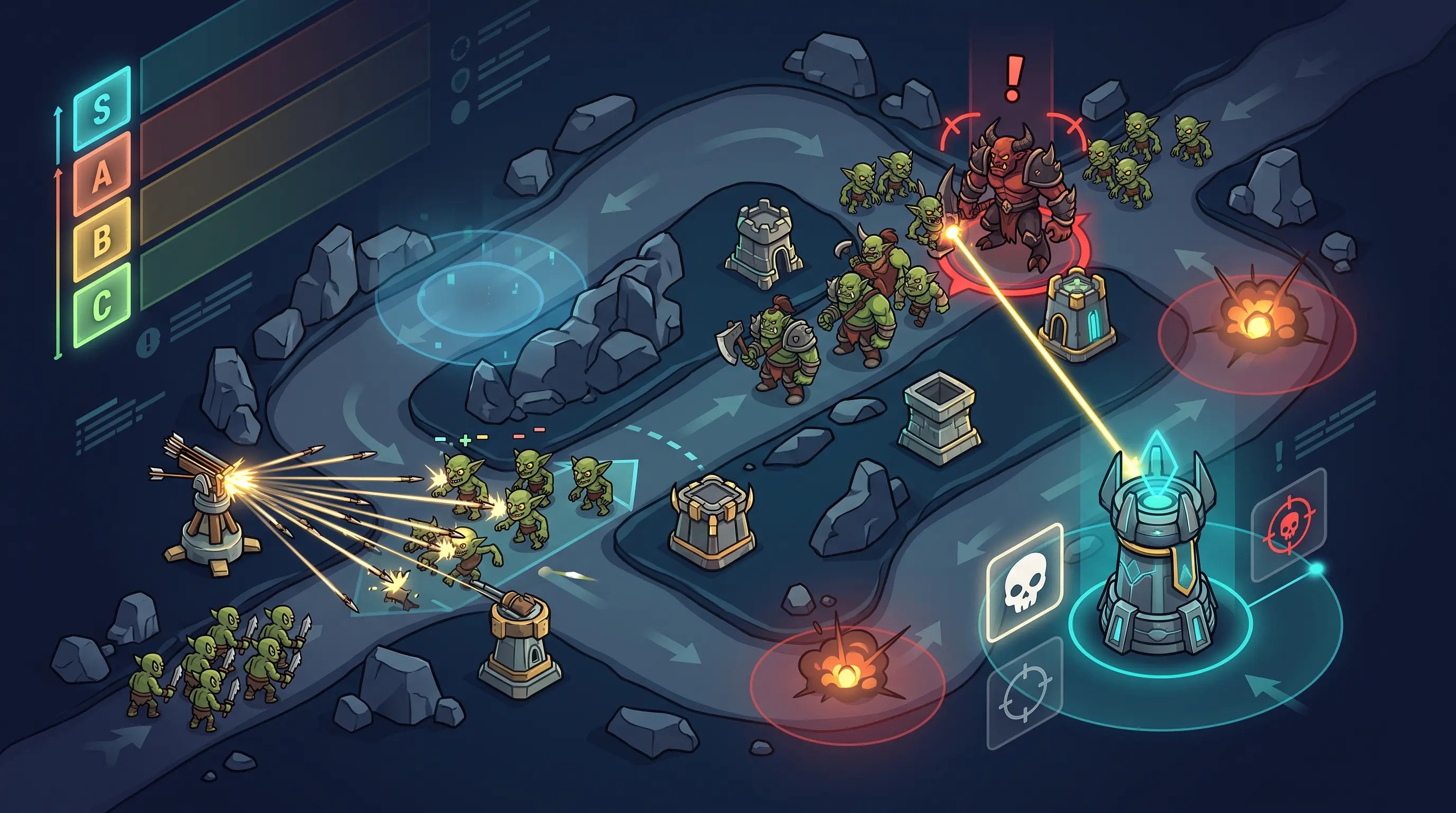
This tower defense target priority tier list is for players who know that more damage is not always the answer. A good slow tower aimed at the wrong enemy is just expensive decoration, and most failed late waves start earlier than they look.
The focus here is narrow on purpose. I am ranking games by how much they reward targeting rules, retargeting windows, splash alignment, stalling, and enemy-priority decisions. Chokepoints still matter. Tower placement still matters. But the question is sharper: how often does one targeting choice change the whole wave outcome?
How this tier list is judged
This is not a general ranking of the best tower defense games for strategy. It is a ranking for experienced players who want targeting pressure, not just bigger numbers.
The main criteria:
- Direct targeting control: first, last, strong, close, custom rules, or equivalent priority systems.
- Retargeting value: whether changing priority mid-run or between waves actually matters.
- Splash and slow alignment: whether area damage and control towers need careful enemy selection.
- Punishment for bad focus: whether strong enemies, fast trash, or pack centers punish lazy targeting.
- Raw DPS resistance: whether stacking damage can cover mistakes, or whether bad priority still leaks.
Strong targeting feels safe until fast trash leaks past your entire kill zone. The best games on this list understand that.
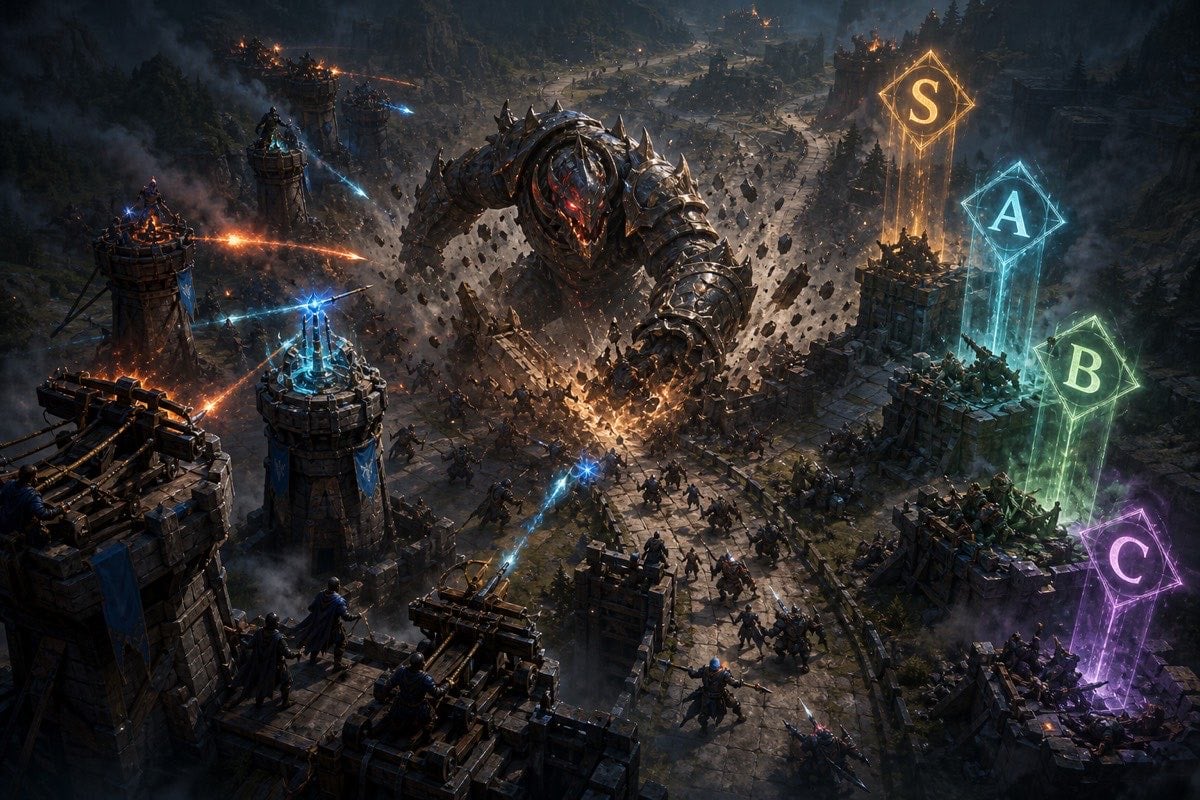
Tier snapshot
| Tier | Rank | Game | Target-priority identity |
|---|---|---|---|
| S | 1 | Bloons TD 6 | The strongest mix of targeting modes, upgrade roles, slows, cleanup, and late-wave threat sorting |
| S | 2 | GemCraft: Frostborn Wrath | Deep priority tuning through gem behavior, endurance pressure, and long-form kill-zone optimization |
| A | 3 | Rogue Tower | Procedural pathing makes target rules and damage focus matter run after run |
| A | 4 | Infinitode 2 | Endless optimization with enough tower control to reward precise priority planning |
| A | 5 | Dungeon Warfare 2 | Trap-heavy targeting where the "priority" is built into timing, push, pull, and lane abuse |
| B | 6 | Defense Grid 2 | Placement-first defense where targeting is mostly expressed through kill-zone design |
| B | 7 | Defense Grid: The Awakening | Classic tower placement with meaningful target outcomes, but less direct control |
| B | 8 | Sanctum 2 | Action-heavy focus fire turns the player into part of the targeting system |
| C | 9 | Kingdom Rush Frontiers | Strong wave handling, but priority control leans on rally points and abilities |
| C | 10 | Plants vs. Zombies | Excellent lane clarity, limited targeting depth |
S tier: targeting is the game under the game
1. Bloons TD 6
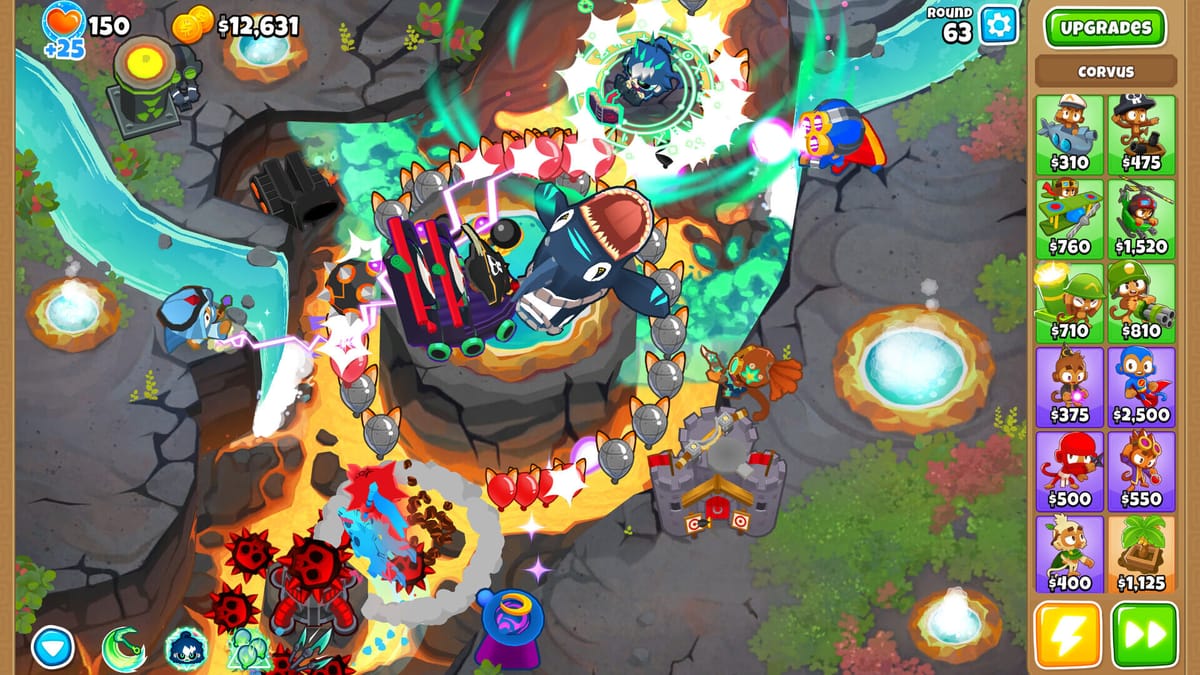
Bloons TD 6 belongs at the top because it makes targeting feel like a real layer of strategy, not a small settings menu. First, last, close, strong, and tower-specific behavior all matter because enemies do not fail in one uniform way. Some waves punish poor cleanup. Some punish bad lead focus. Some punish splash that keeps firing at the front instead of the center of the pack.
What separates Bloons TD 6 from many tower defense games with targeting control is how often upgrades change a tower's job. A tower that looked like lane DPS can become cleanup, control, burst, or specialist support depending on its path. That means targeting cannot be separated from upgrade planning. If the tower's role changes, its priority usually needs to change with it.
This clicks most for players who enjoy pausing mentally before committing to an upgrade path. You are not just asking, "Does this tower do enough damage?" You are asking, "What enemy should this tower be allowed to waste shots on?" That question becomes brutal when fast enemies and high-health targets overlap.
The main friction is readability. Bloons TD 6 can become visually dense, and its tower roster is broad enough that newer players may mistake upgrade strength for target efficiency. If a game never makes you change targeting modes, its tower roster is doing too much of the thinking for you. Bloons TD 6 does not have that problem.
Best fit: players who want the strongest overall mix of targeting modes, tower roles, late-wave sorting, and upgrade-driven priority planning.
2. GemCraft: Frostborn Wrath
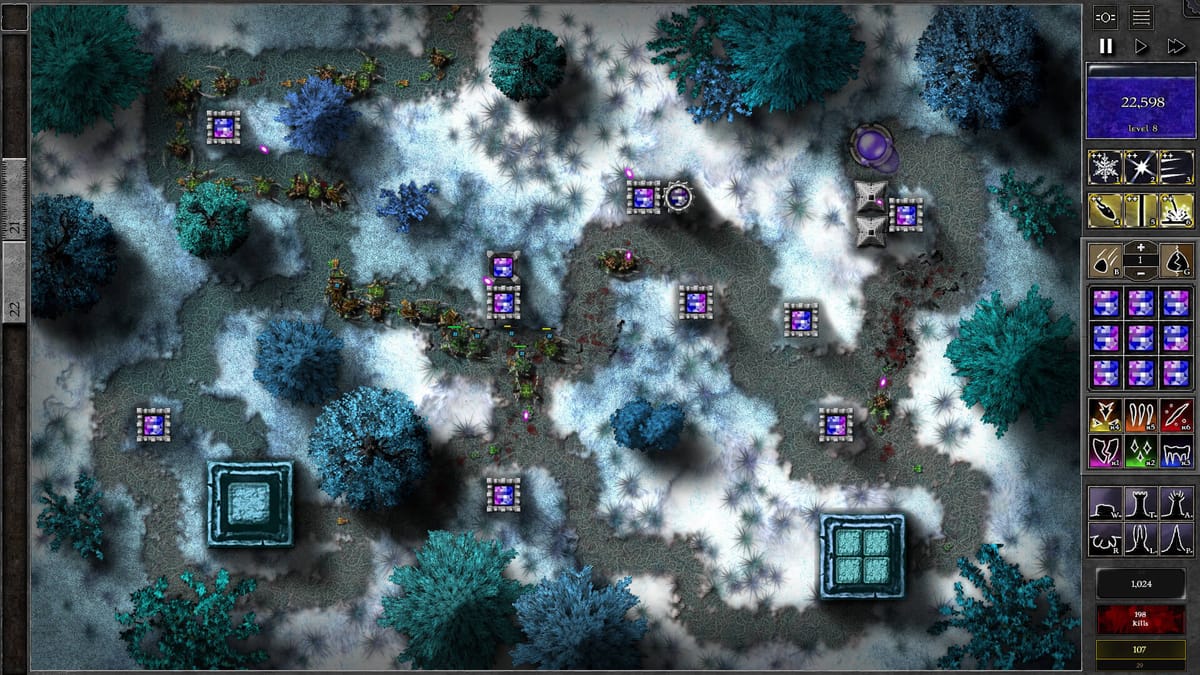
GemCraft: Frostborn Wrath is less about clean tower categories and more about building a weapon system. Gem combining, endurance pressure, and long waves make target priority feel like a compounding decision. A bad priority choice is not just a leaked enemy. It is wasted mana, wasted control, and a weaker kill zone several minutes later.
The defensive identity here is attrition through optimization. You are managing how power is concentrated, where damage lands, and which enemies deserve the strongest effects. That makes target priority feel more strategic than reactive. You are shaping the entire wave's damage curve.
This is especially good for players who like hardcore tower defense games where small efficiency decisions stack over time. The longer the run, the more painful it is when splash, slow, or high-value damage is pointed at the wrong part of the wave.
The tradeoff is that GemCraft: Frostborn Wrath can feel heavy if you want quick, readable targeting swaps. Its depth comes from systems interacting over long stretches, not from simple lane-by-lane target toggles. If you want instant clarity, Bloons TD 6 is easier to parse. If you want target priority folded into a deeper endurance economy, GemCraft: Frostborn Wrath is elite.
Best fit: players who want target priority tied to endurance planning, gem efficiency, and long-form kill-zone construction.
A tier: priority decisions matter, but share the load with layout or economy
3. Rogue Tower
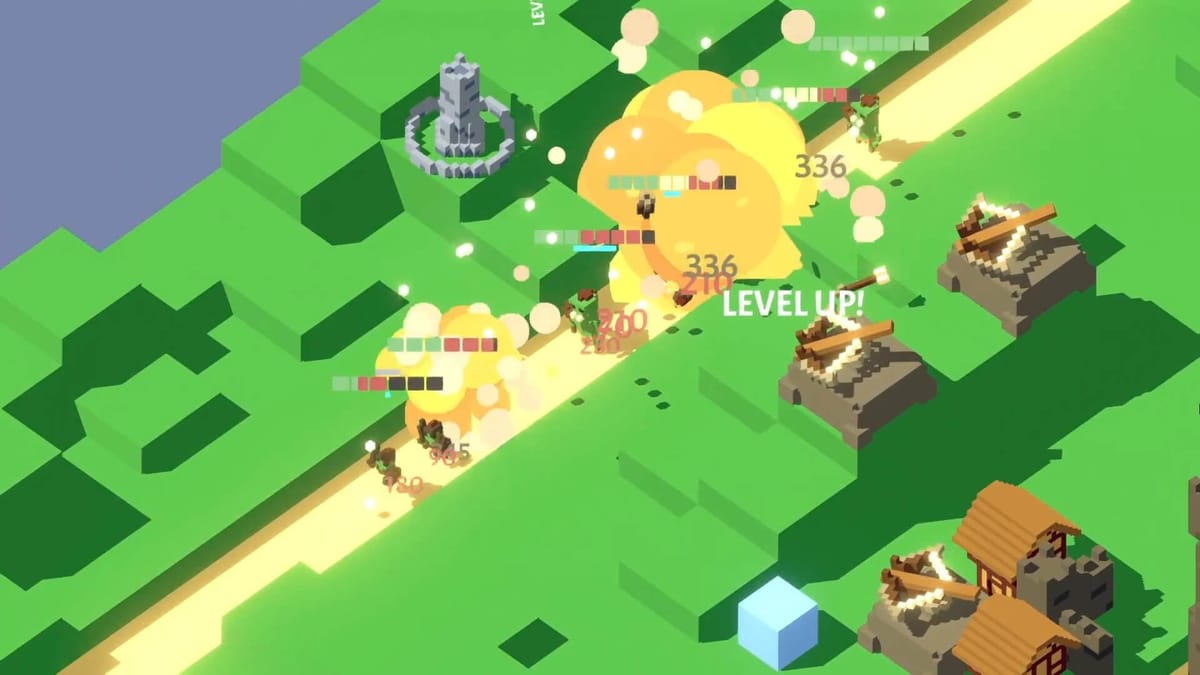
Rogue Tower earns its spot because procedural paths make targeting a moving problem. You cannot fully memorize one perfect map and solve it forever. As lanes extend and split, the value of a targeting rule changes. A tower that was correctly focused on the front of one lane can become inefficient once pressure starts arriving from a different branch.
The important thing in Rogue Tower is not just tower placement. It is whether each tower is contributing to the right kind of pressure. Damage pointed at the wrong enemy type can leave the rest of the wave healthier than expected. That tends to matter when a path grows in a way that stretches your coverage and forces you to choose between stabilizing the front or protecting the back.
This is a strong pick for players who like run-based planning and do not mind adapting their priority logic to imperfect maps. The roguelite structure gives target decisions a different flavor from fixed-map tower defense. You are not solving one puzzle. You are making the best targeting choices inside a run that keeps changing the terms.
The rough edge is that bad targeting can sometimes feel tangled up with bad path luck or upgrade timing. If you want pure, deterministic targeting puzzles, Rogue Tower is not as clean as the S tier. If you enjoy priority management under procedural pressure, it fits the topic very well.
Best fit: players who want targeting decisions mixed with procedural path control and run-to-run adaptation.
4. Infinitode 2
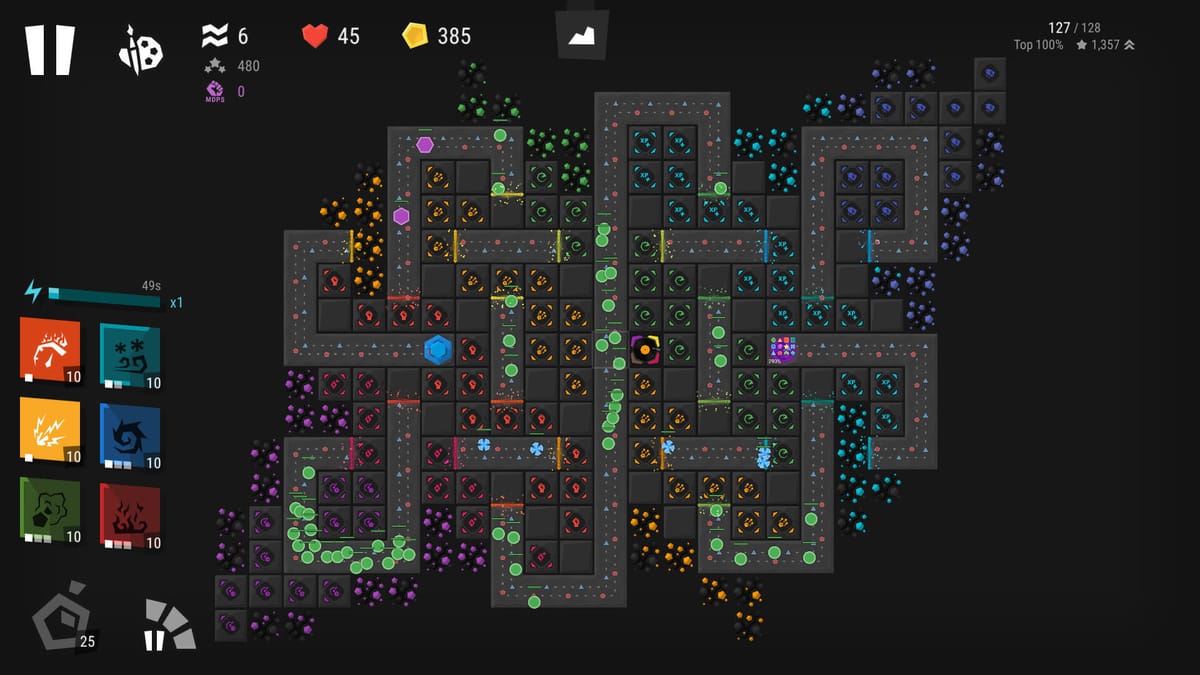
Infinitode 2 is built for players who enjoy optimization. Its endless structure, research trees, and custom maps give target priority room to matter because efficiency is the point. You are not only surviving a campaign map. You are trying to squeeze more value out of tower behavior, wave flow, and long-term scaling.
The target-priority appeal comes from repetition and refinement. You can test how towers perform when they are allowed to focus differently, how slows support damage, and how map shape affects priority value. This makes Infinitode 2 one of the better tower defense games with targeting control for players who like tuning a setup instead of simply beating a level once.
Where this gets tricky is progression. Because Infinitode 2 has a large research layer, raw account growth can blur the purity of the targeting puzzle. Sometimes a better result comes from stronger long-term upgrades, not sharper wave handling. That does not remove the targeting depth, but it does mean the game is not always testing priority decisions in isolation.
Best fit: players who want a long-tail optimization game where targeting control, research, and custom map planning all feed into tower efficiency.
5. Dungeon Warfare 2
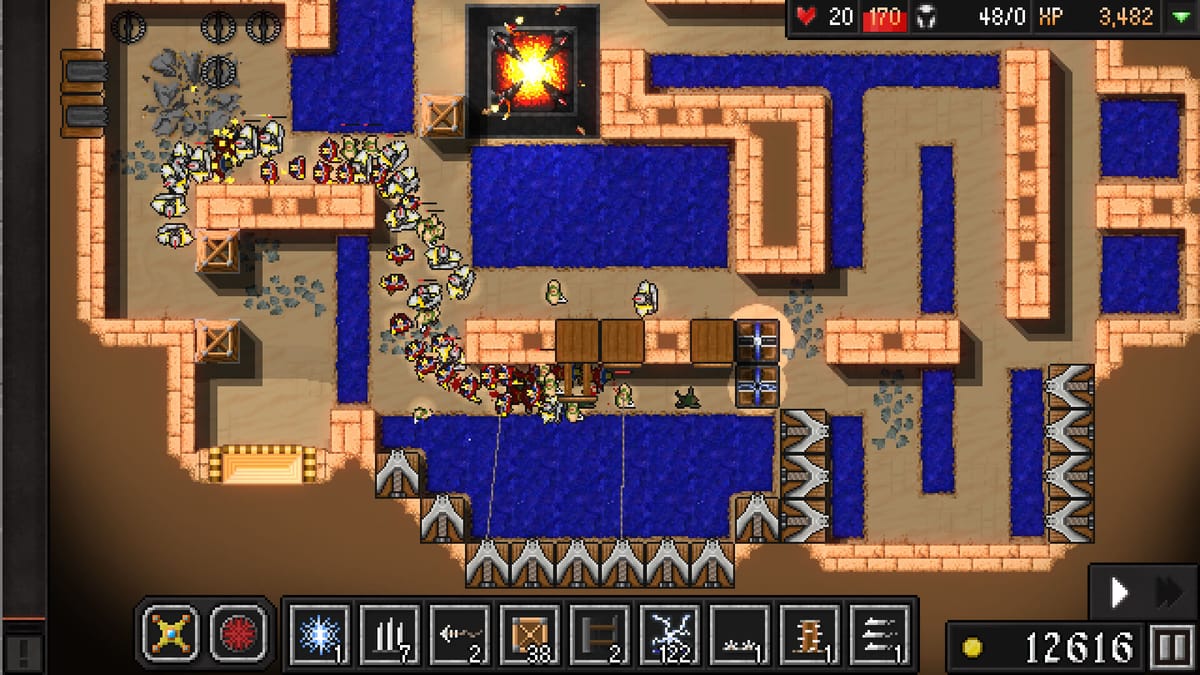
Dungeon Warfare 2 is here for a different reason than the games above it. It is not primarily about toggling a tower between first and strong. It is about building a dungeon where traps decide which enemies get punished, delayed, displaced, or deleted.
That still makes it highly relevant to a target priority tier list. In a trap-heavy defense game, priority is often physical. A spike trap, push trap, or control setup "targets" whatever your layout delivers to it. If the wrong enemy reaches the wrong trap first, the whole sequence can misfire. If the lane is shaped correctly, the dungeon itself becomes a targeting system.
This is excellent for players who think in terms of enemy handling rather than tower menus. You are managing timing, collision, chokepoints, and collapse risk. The best setups do not just do damage. They make sure the right enemies are exposed to the right punishment at the right moment.
The limitation is obvious: if you specifically want explicit targeting modes, Dungeon Warfare 2 is an indirect fit. Its target priority is embedded in trap placement and lane manipulation. That makes it brilliant for trap-minded players, but less ideal for players who want visible priority settings on every tower.
Best fit: players who want trap-heavy target priority through timing, displacement, and dungeon control.
B tier: placement-first defense with important priority windows
6. Defense Grid 2
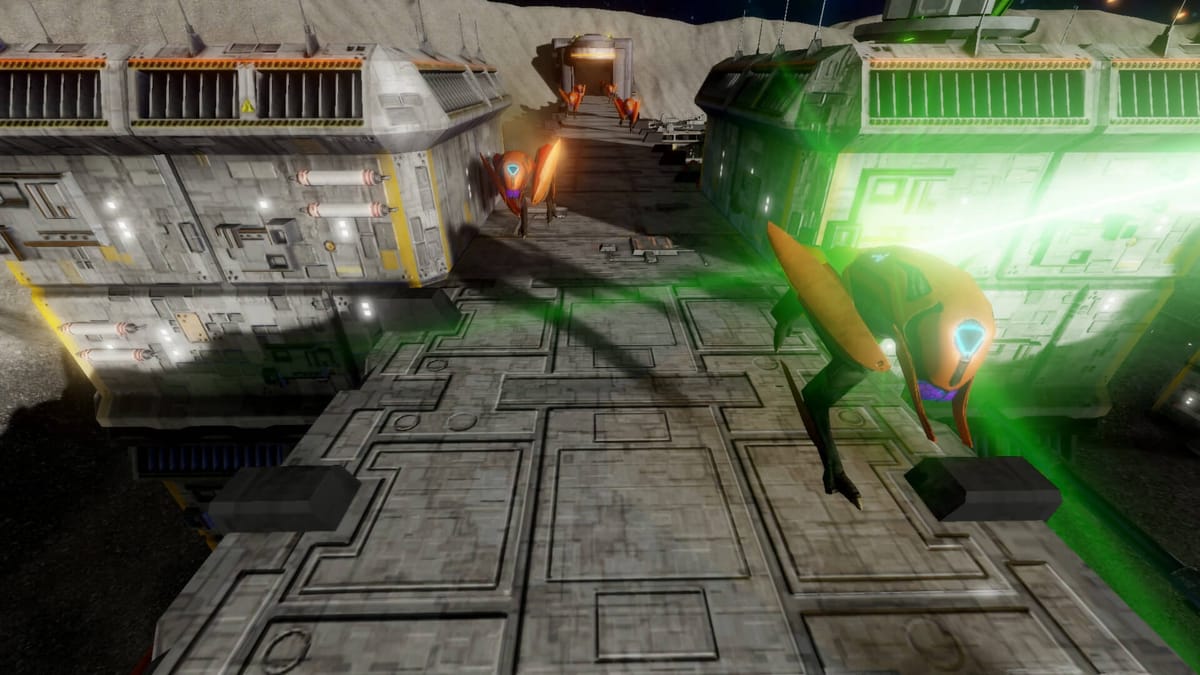
Defense Grid 2 is a placement-first game. Its targeting value comes from building a kill zone where towers naturally acquire the enemies you want them to hit. That makes it less flexible than the top picks, but still strategically relevant for tower defense placement strategy.
The key question in Defense Grid 2 is often, "What will this tower see first, and for how long?" That matters for splash alignment, cleanup coverage, and protecting against leaks after the main group has passed. Raw DPS helps, but inefficient sightlines and poorly layered towers can still waste damage into the wrong part of the wave.
This fits players who prefer map control over constant micromanagement. You are designing priority before the wave hits, not endlessly adjusting it during the wave. The reward is a clean, readable defense loop where placement discipline carries the targeting logic.
The downside is that Defense Grid 2 is not as target-mode driven as the higher tiers. If your favorite part of tower defense is comparing first, strong, last, and custom settings, Defense Grid 2 may feel too automated. If you like solving priority through tower position and coverage overlap, it remains a strong B-tier pick.
Best fit: players who want targeting outcomes shaped by clean tower placement and kill-zone design.
7. Defense Grid: The Awakening
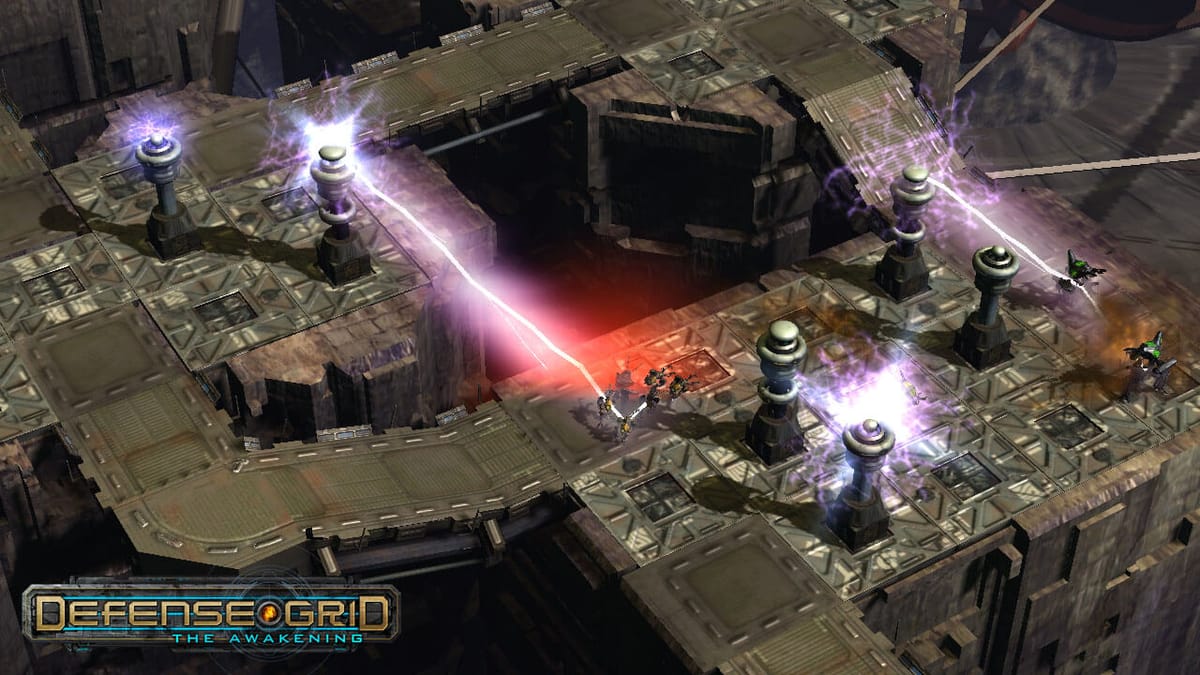
Defense Grid: The Awakening still holds up as a classic because its maps are tight and its placement demands are clear. It belongs here because bad targeting outcomes are easy to diagnose. When a leak happens, you can usually see where damage was wasted, where the kill zone was too short, or where the wrong tower type was trusted to clean up.
The defensive identity is structured and restrained. You are not drowning in active systems. You are building a path of punishment and asking each tower to contribute efficiently. That clarity makes target priority feel important even when the game is not constantly asking you to manage explicit priority rules.
The reason it ranks below Defense Grid 2 is not that its defense loop is weak. It is that the targeting layer is more classic and less expressive. The game rewards good placement, but it does not reach the same level of priority manipulation as the A and S tiers.
Best fit: players who want a clean sci-fi tower defense classic where target outcomes are driven by map control more than micromanagement.
8. Sanctum 2
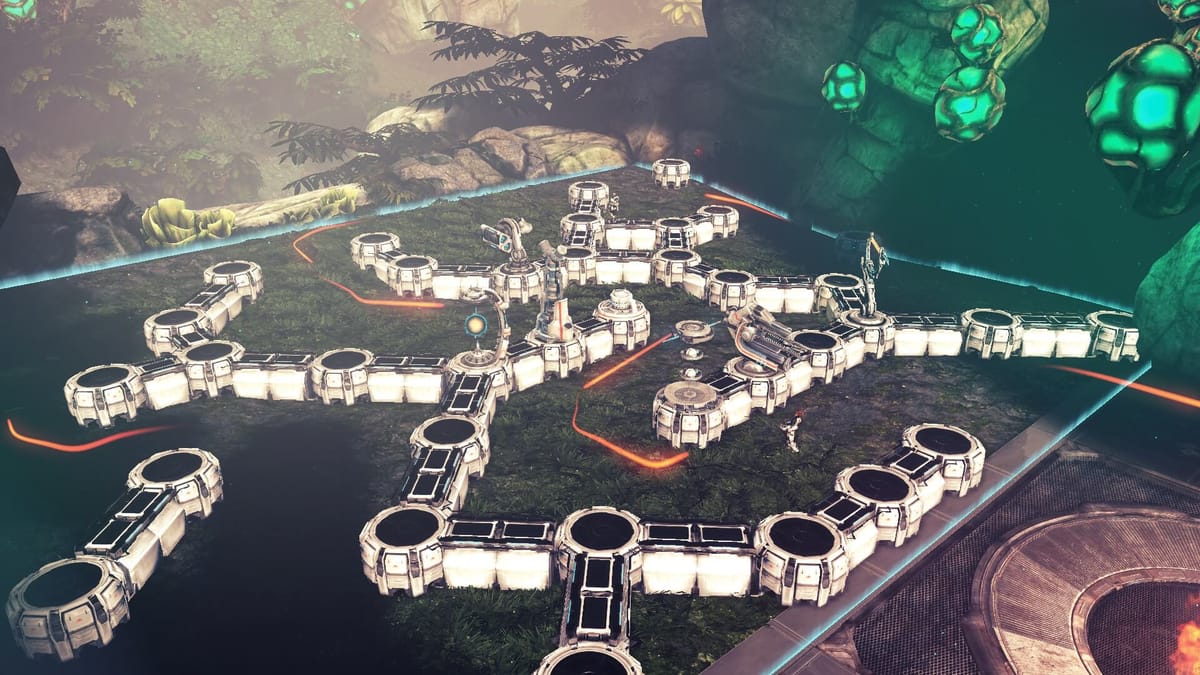
Sanctum 2 is the action-heavy outlier. Its first-person shooter layer changes the meaning of target priority because the player becomes part of the targeting system. Towers hold the line, but your own focus fire decides which threats get removed before they break the structure.
That makes smart priority matter in a very direct way. If you spend too much time shooting durable targets while smaller enemies slip through, the defense suffers. If you let towers handle the wrong part of the wave, you are not supporting the kill zone correctly. The best play is not just accurate shooting. It is knowing which enemy your active damage should replace, supplement, or ignore.
This is a good fit for players who like hybrid action-defense and co-op pressure. The 3D tower placement also adds spatial concerns that most lane-heavy games do not have. You are managing sightlines, routes, tower coverage, and your own intervention windows.
Genre taste is the real dividing line here. Sanctum 2 is not a pure tower defense targeting puzzle. If you want pausable priority settings and slow analytical optimization, it will feel too execution-heavy. If you want target priority under live pressure, it earns its place.
Best fit: players who want action-heavy defense where player focus fire is part of the priority system.
C tier: clear defense loops, limited targeting control
9. Kingdom Rush Frontiers
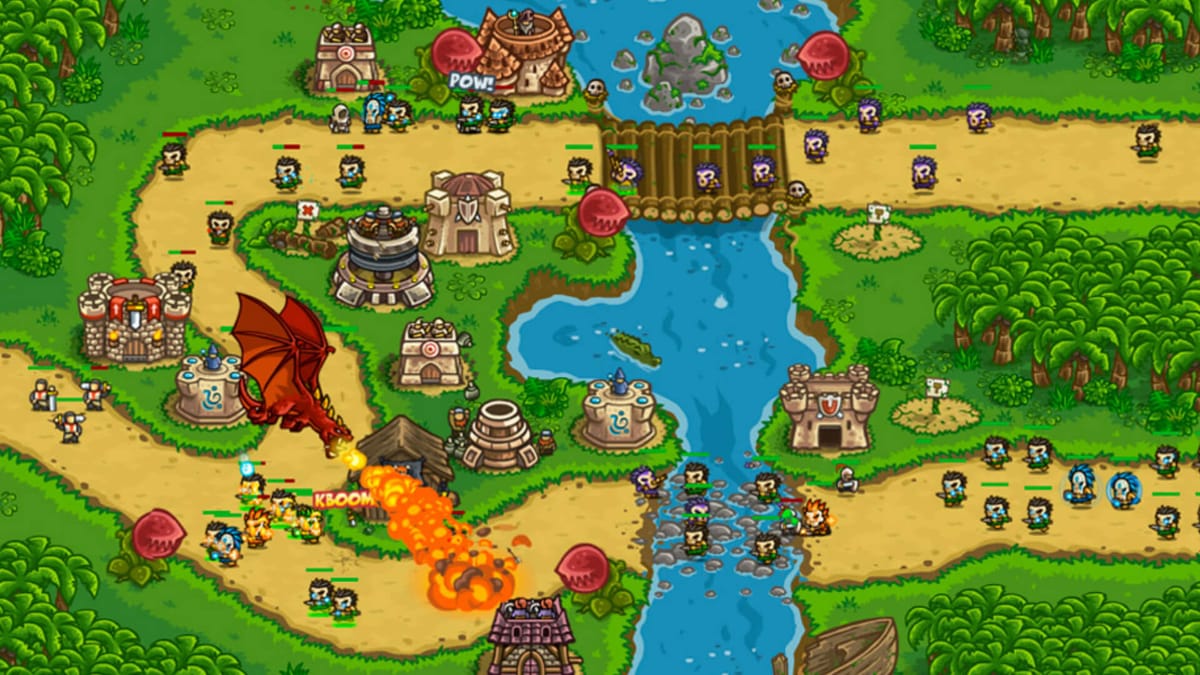
Kingdom Rush Frontiers has strong wave handling, but it is not built around deep per-tower targeting control. Its priority decisions come from tower choice, hero use, rally points, reinforcements, and ability timing. That is meaningful, but it is not the same as a game where every tower can be tuned into a specific targeting role.
The common mistake here is treating blockers as static. Rally movement changes what enemies get stalled, which changes what nearby towers hit, which changes whether splash lands on the pack or dribbles into the front. That is real target-priority play, just expressed through lane control rather than targeting menus.
This clicks most if you like active wave response and hero-driven defense. You are constantly deciding where pressure should be absorbed and which part of the lane needs help. It is less about optimizing a tower's firing rule and more about forcing enemies to be in the right place when damage arrives.
The limitation is why it lands in C tier for this specific topic. Kingdom Rush Frontiers is a better general defense game than it is a targeting-control game. Experienced players looking for hardcore targeting rules may find the priority layer too guided.
Best fit: players who want accessible but active lane control, not deep targeting configuration.
10. Plants vs. Zombies
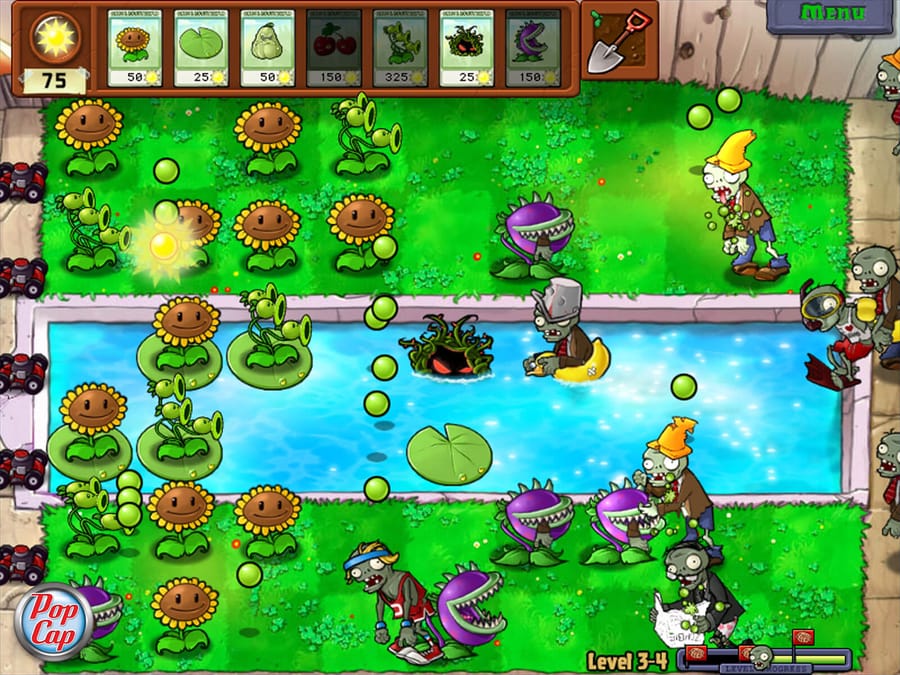
Plants vs. Zombies is iconic because its lanes are readable. That readability is useful for understanding defense fundamentals: stabilize rows, answer specific threats, and avoid overbuilding the wrong lane. But as a target priority game, it is limited.
Most targeting is baked into lane structure and plant behavior. You are deciding what to plant and where to plant it more than you are telling individual defenders what to shoot. That makes the game excellent for learning lane pressure, but weak for players who want first, last, strong, or custom targeting decisions.
It still belongs on the list because smart priority beats careless damage even here. Overcommitting to one row while another collapses is a target-priority failure at the lane level. Using the wrong plant for the wrong kind of pressure creates the same problem as aiming a slow tower at the wrong enemy: resources are spent, but the wave is not actually controlled.
The reason it ranks last is simple. Plants vs. Zombies has a real defense loop, but not enough targeting agency for experienced players chasing optimization puzzles.
Best fit: players who want clean lane containment and simple defensive pacing, not advanced targeting control.
What the tiers mean in practice
If you want the strongest target-priority depth, start with Bloons TD 6 or GemCraft: Frostborn Wrath. Those are the games where targeting decisions most consistently change wave outcomes.
If you want priority choices mixed with changing maps, long-term scaling, or trap systems, pick Rogue Tower, Infinitode 2, or Dungeon Warfare 2. These are less pure, but still rich.
If you care more about placement discipline than direct target settings, Defense Grid 2 and Defense Grid: The Awakening are the safer choices. They reward smart coverage, sightlines, and kill-zone structure.
If you want your own aim or active intervention to carry part of the priority burden, Sanctum 2 is the hybrid pick. It only works if you want action in the defense loop.
If you want readable lanes and approachable wave handling, Kingdom Rush Frontiers and Plants vs. Zombies are worth playing, but they are not the best choices for hardcore targeting control.
Final ranking
- Bloons TD 6
- GemCraft: Frostborn Wrath
- Rogue Tower
- Infinitode 2
- Dungeon Warfare 2
- Defense Grid 2
- Defense Grid: The Awakening
- Sanctum 2
- Kingdom Rush Frontiers
- Plants vs. Zombies
For this specific angle, the winner is Bloons TD 6. It has the clearest blend of targeting modes, upgrade identity, late-wave pressure, and punishment for lazy priority. GemCraft: Frostborn Wrath is the deeper endurance alternative, while Rogue Tower is the best pick if you want target priority under procedural path pressure.