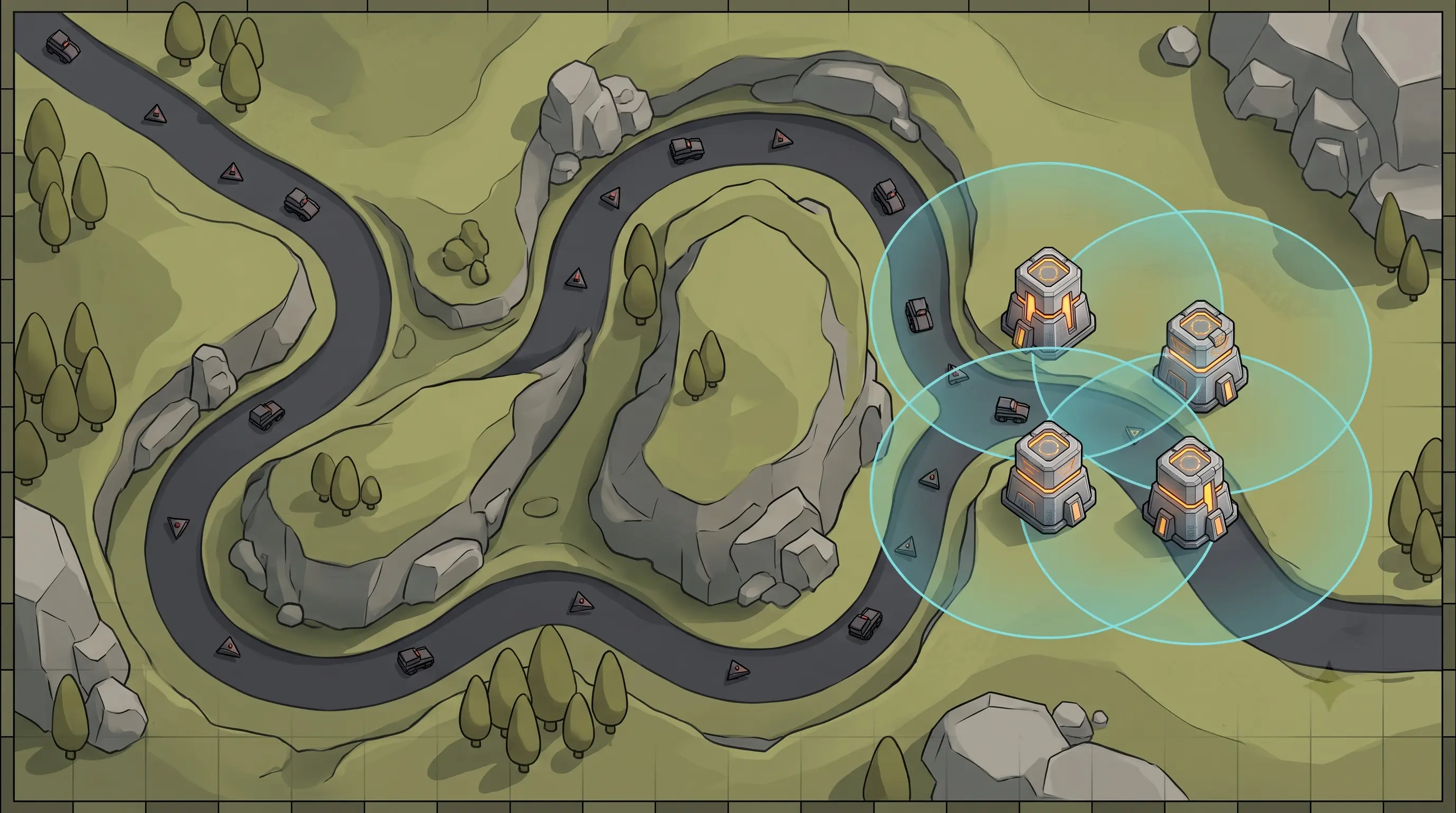
10 Best Maze-Building Tower Defense Games for Choke Point Addicts
A ranked list of tower defense games where shaping the enemy path, stretching lanes, and engineering lethal choke points matter as much as tower choice.
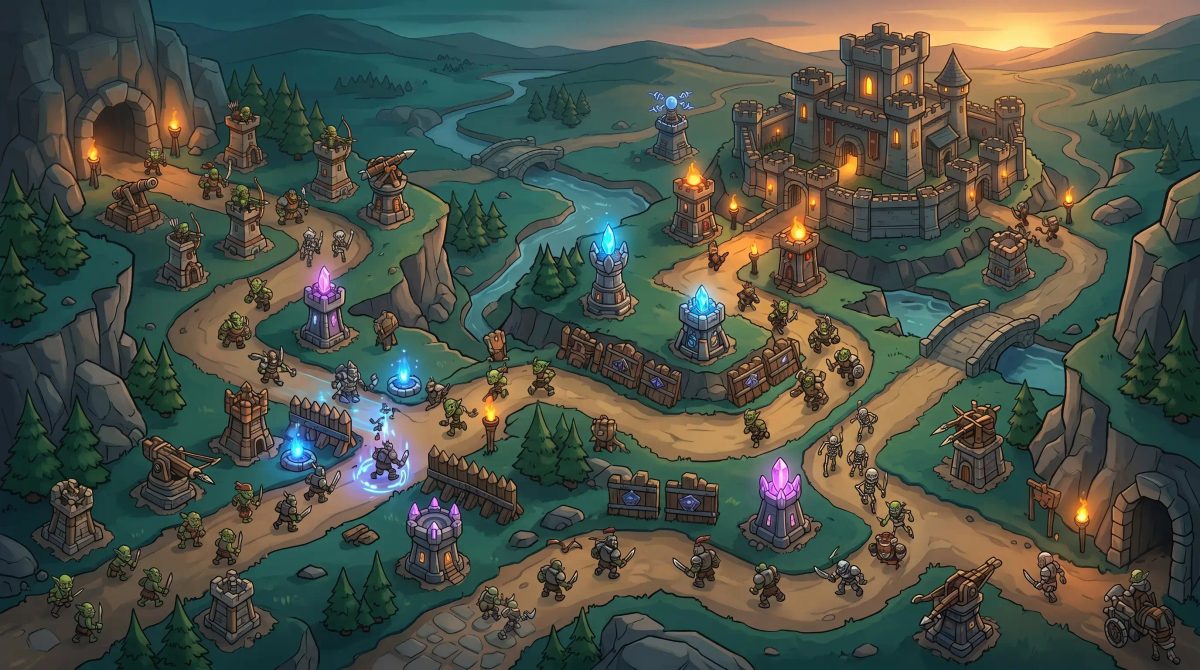
Maze-building tower defense games are for players who see the path itself as the first weapon. If a game lets you buy time with geometry instead of raw DPS, it deserves a closer look.
This list focuses on tower defense games with pathing, choke control, route stretching, trap corridors, and placement decisions that matter before the wave starts. Some picks are true custom-path tower defense games. Others are more constrained, but still reward the same instinct: make enemies spend the longest possible time inside your kill zone.
The best choke point is not always the narrowest tile. It is the place where enemies stay under fire the longest.
Quick picks
| If you want... | Start with... |
|---|---|
| The purest maze-building focus | Emberward |
| A compact tile-placement puzzle | Isle of Arrows |
| Classic custom-path tower defense | Radiant Defense |
| Trap corridors and dungeon punishment | Dungeon Warfare 2 |
| Tight classic tower placement | Defense Grid: The Awakening |
| Maze-building plus action combat | X-Morph: Defense |
| First-person tower defense | Sanctum |
What mattered for this ranking
I weighted these games around four defensive questions:
- How much can you reshape or exploit enemy movement?
- Do blocking rules, tile placement, or map layout meaningfully affect the route?
- Do towers and traps get stronger because of geometry, not just upgrades?
- Does a failed defense usually point back to bad lane planning, wasted tiles, or poor choke timing?
Content volume matters less here. So does raw tower count. For choke point addicts, blocking rules matter more than tower variety.
1. Emberward
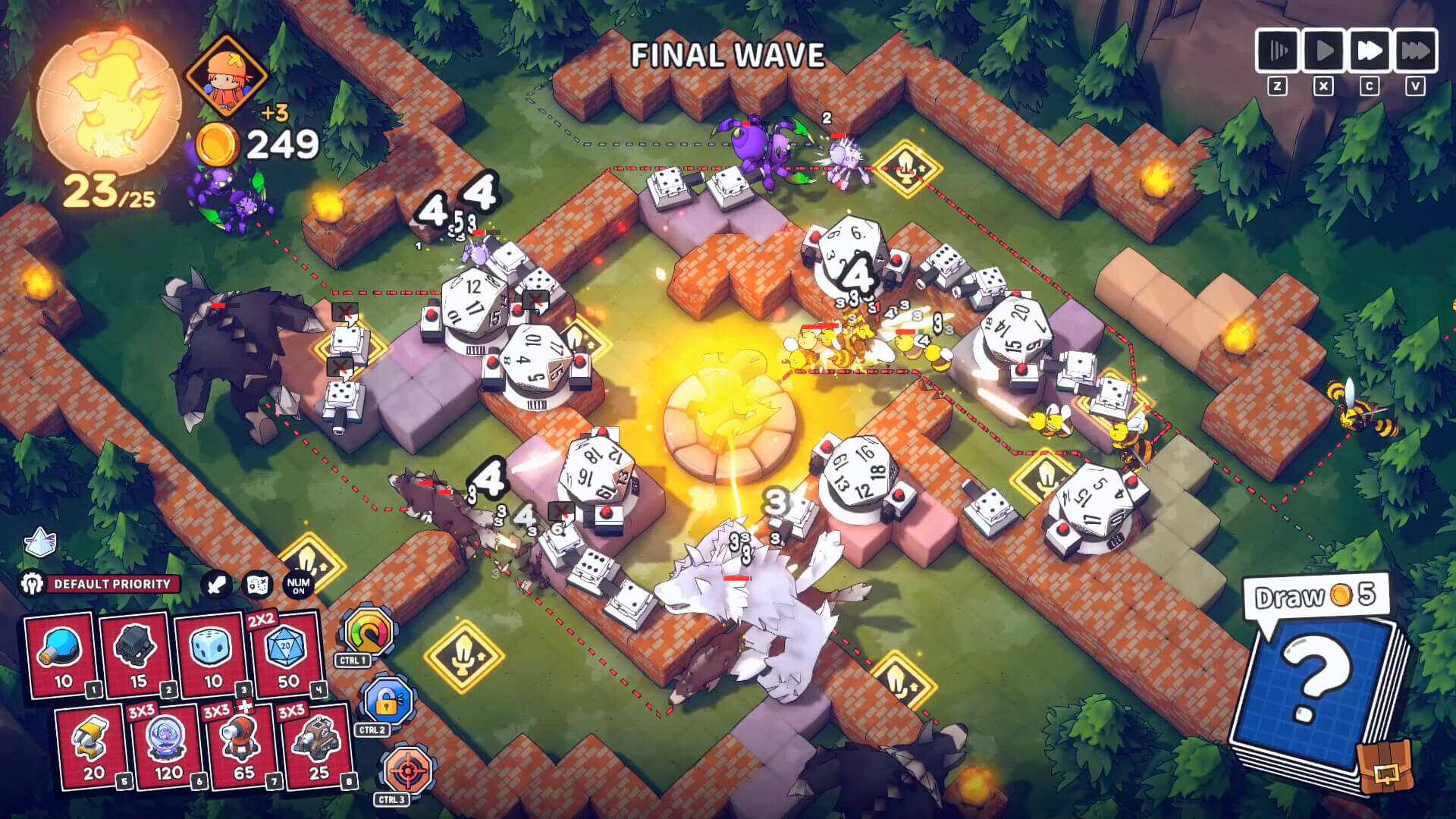
Emberward is the strongest fit for players who want the maze to be the strategy, not just the scenery. Its roguelite tower defense structure gives every run a placement problem to solve, and that matters because the defensive question changes from “what do I build?” to “how do I make this route suffer?”
The appeal is the geometry. You are not simply dropping towers beside a preset lane and hoping the numbers work. The fun is in testing placements, stretching enemy travel time, and stealing a few more seconds inside a kill zone before the wave reaches anything important.
This clicks most if you enjoy restarting or reworking a layout because one tile could have created better coverage. Bad maze design usually looks fine until the first fast enemy exposes every wasted corner. Emberward leans into that kind of punishment in a way that feels central rather than accidental.
The tradeoff is the roguelite structure. If you want fixed, handcrafted solutions that you can perfect in the same way every time, the run-to-run variety may be friction. It is best for players who like adapting their maze logic under changing constraints.
2. Isle of Arrows
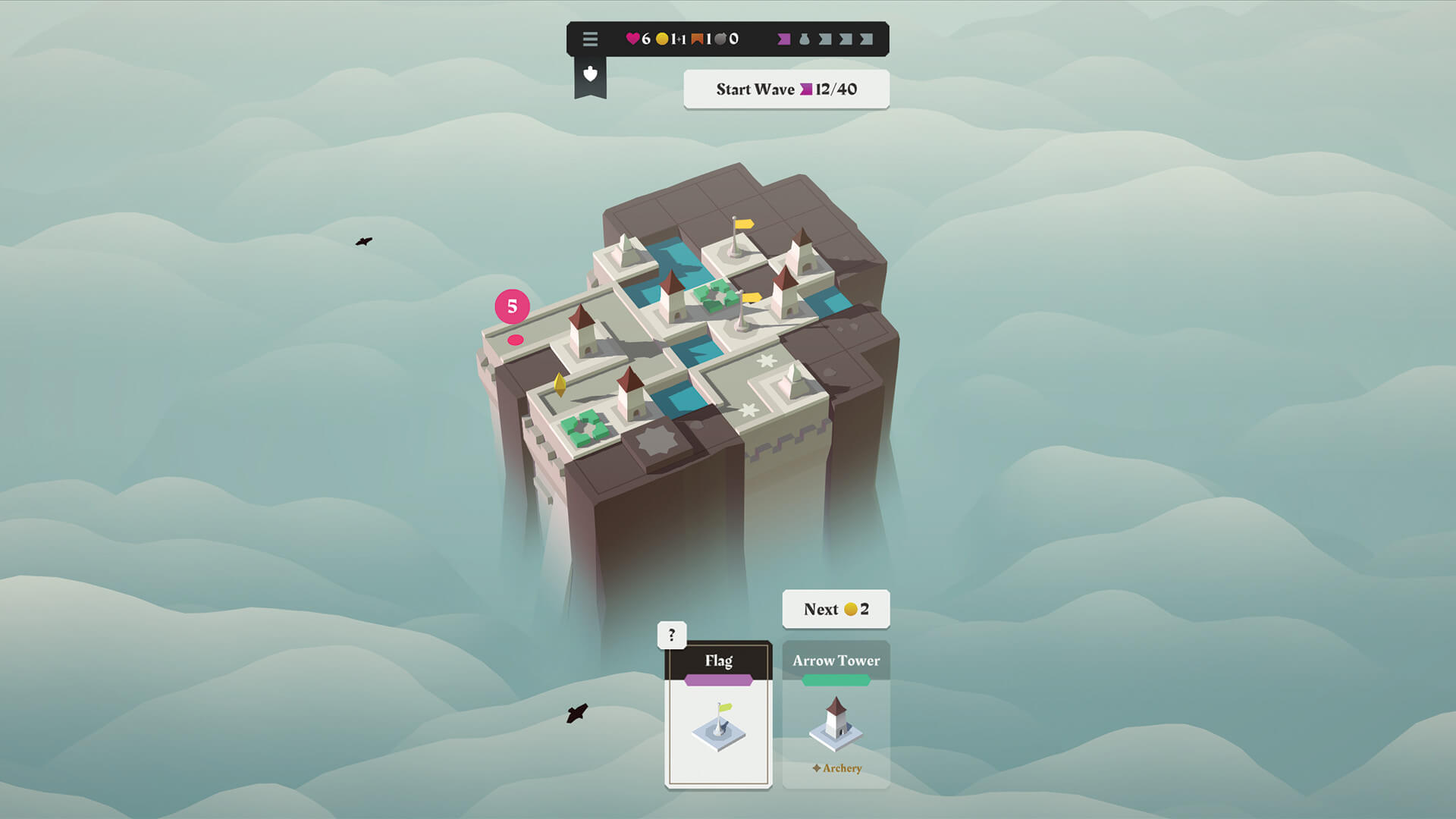
Isle of Arrows turns maze-building into a compact puzzle. The card-based tile placement means your defensive layout is not only about ideal pathing. It is about making useful geometry out of imperfect options.
That distinction matters. In many tower defense games with choke points, you know the map and optimize from there. In Isle of Arrows, the map itself is part of the pressure. Every tile affects future routing, tower coverage, and how much room you have left to correct earlier mistakes.
This is one of the best tower defense maze games for players who like tight runs and visible consequences. A good placement can extend a lane, sharpen a bend, or set up a future kill zone. A bad placement can quietly poison the whole defense.
The main friction is control. If you want to design the perfect maze from a full toolbox, the card system can feel restrictive. Isle of Arrows is not about total freedom. It is about disciplined pathing with limited pieces, which is exactly why it works.
3. Radiant Defense
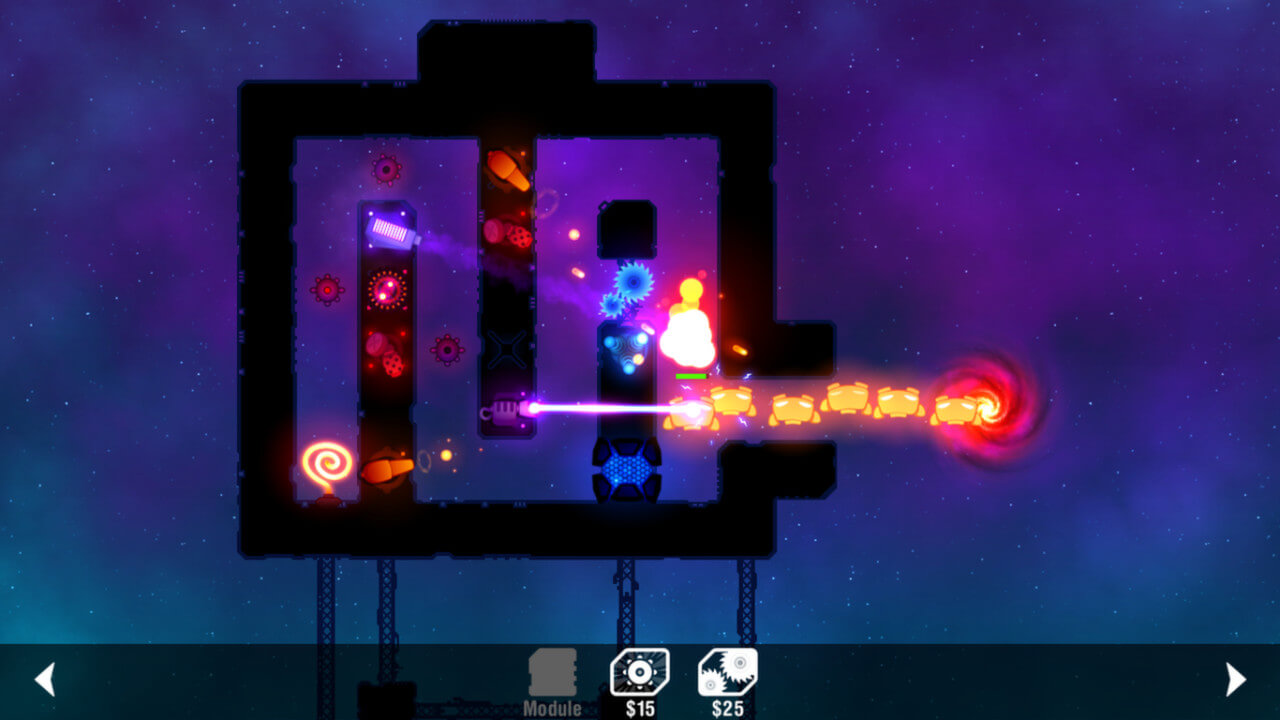
Radiant Defense belongs high because routing waves is part of its identity. This is colorful sci-fi tower defense built around holding a space fortress, upgrading weapons, and making alien hordes take the path you want them to take.
The defensive loop is direct: shape the route, concentrate damage, upgrade the right weapons, and keep enemies inside your strongest section of the map for as long as possible. That is the heart of maze-building tower defense. The route is not a background line. It is something you manipulate.
Radiant Defense is a good pick if you want custom pathing without a lot of genre clutter. The core pleasure is readable: make enemies walk farther, make them pass through overlapping fire, and avoid creating short, clean routes that let speed waves punish you.
The limitation is that it lives and dies on that routing focus. If you mainly want broad strategic layers, base management, or a huge campaign structure, this may feel narrower than expected. For pure choke point play, though, narrow is not a problem. It is the point.
4. X-Morph: Defense
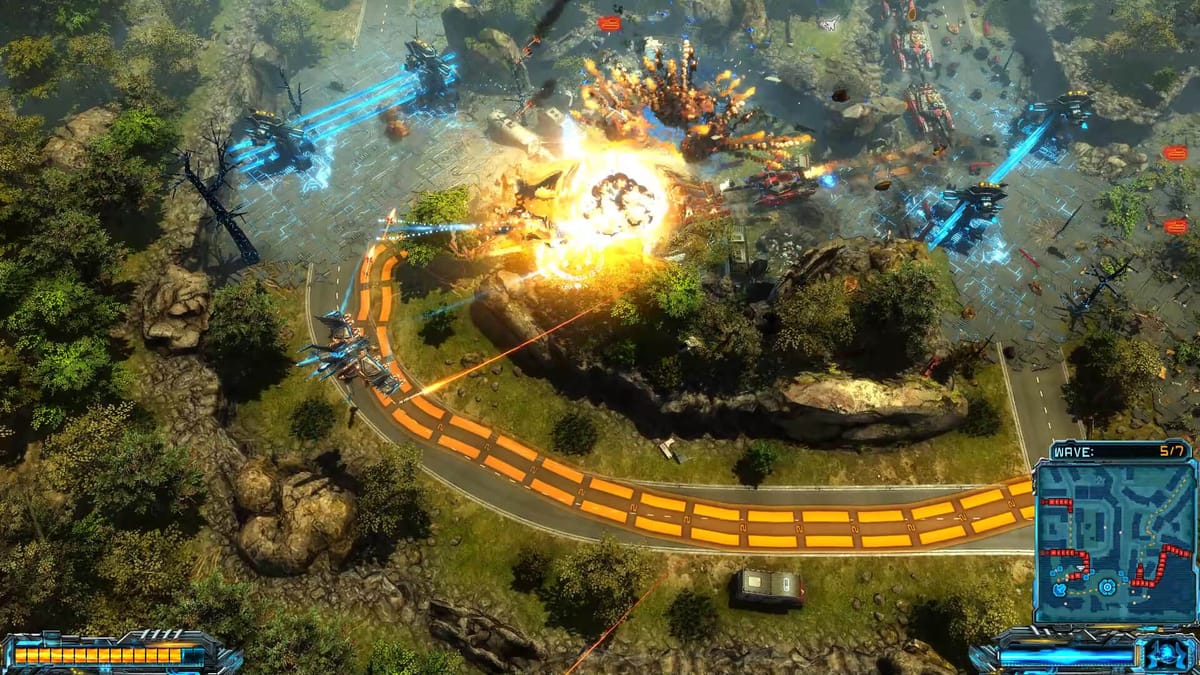
X-Morph: Defense is not a pure maze-builder, and that is important to say up front. It is a top-down shooter tower defense game where you build towers and pilot a morphing alien fighter. The reason it ranks this high is that tower placement and route control still feed directly into the defensive plan.
Here, pathing buys you time for two damage sources: your towers and your active fighter. A better choke does not just improve passive DPS. It gives you more room to intervene, more time to respond, and more chances to prevent a lane from collapsing.
This fits players who like defense games where the build phase and action phase are tightly connected. You still care about lane control, but you are also expected to act when pressure spikes. The map is not solved just because the towers are down.
The main friction is the action tax. If you want to sit back and watch a perfect maze do the work, X-Morph: Defense will pull you out of that comfort zone. It is best for players who want path manipulation plus active wave response.
5. Dungeon Warfare 2
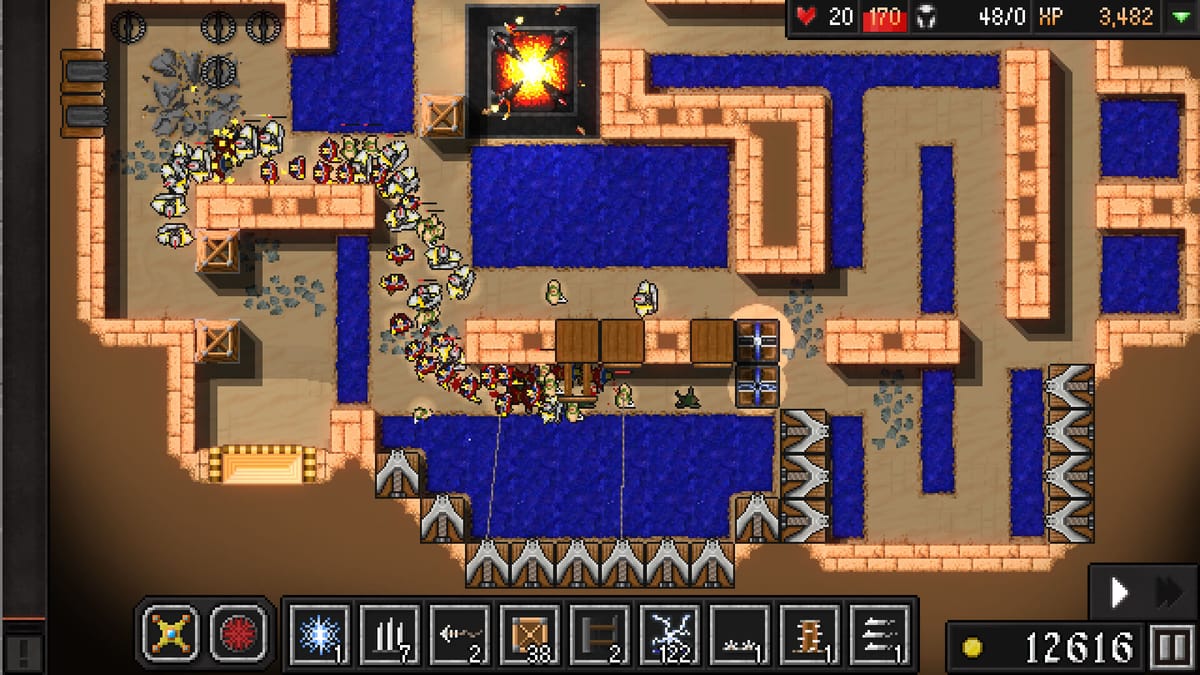
Dungeon Warfare 2 is trap-heavy dungeon defense, and that gives its choke points a different feel from cleaner tower-first games. You are defending the dungeon with traps, heroes, and defensive depth, so the question becomes: how do you make enemies enter the worst possible section of the dungeon at the worst possible time?
This is where trap-based maze design shines. A strong lane is not only long. It is cruel. You want enemies delayed, clustered, redirected, and exposed to stacked hazards. The defensive identity is less about elegant tower coverage and more about turning corridors into punishment machines.
Dungeon Warfare 2 fits players who enjoy messy, high-impact choke points. It rewards people who think in terms of trap timing, density, and collapse risk rather than clean tower symmetry.
The tradeoff is complexity. More depth gives you more ways to break a wave, but it also creates more noise. If you want minimalist pathing puzzles, this may feel heavier than necessary. If you want dungeon lanes that punish every step, it earns its spot.
6. Dungeon Warfare
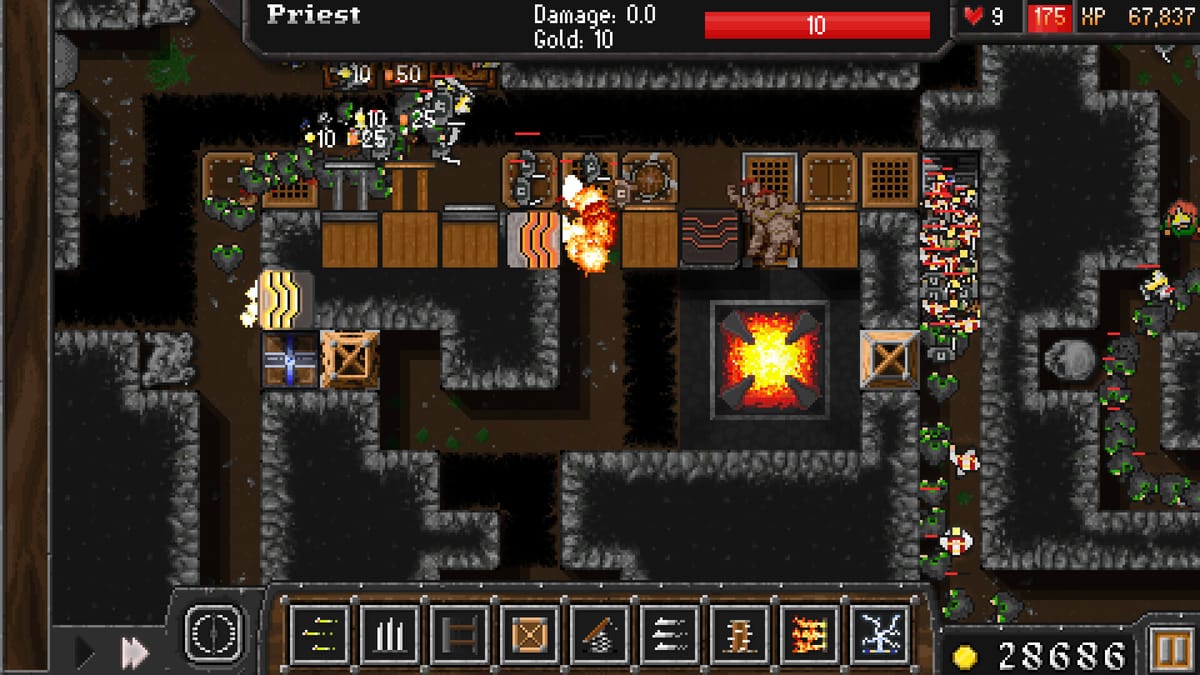
Dungeon Warfare is the cleaner, more classic version of the same trap-defense appeal. You defend the dungeon with traps and towers, which makes it a strong pick for players who want choke points to feel physical and immediate.
The reason it works for this topic is simple: traps care deeply about where enemies walk. A tower can sometimes compensate for a mediocre lane with range or upgrades. A trap-heavy defense usually cannot. If enemies are not entering the right corridor at the right density, the defense loses efficiency fast.
That makes Dungeon Warfare a good fit for players who like readable kill zones. You can focus on building nasty defensive pockets without as many extra layers competing for attention.
Its limitation is also straightforward. Compared with Dungeon Warfare 2, it is less expansive. If you want more systems and more dungeon-defense depth, the follow-up has the edge. If you want a sharper classic trap-and-choke loop, Dungeon Warfare may be the better entry point.
7. Defense Grid: The Awakening
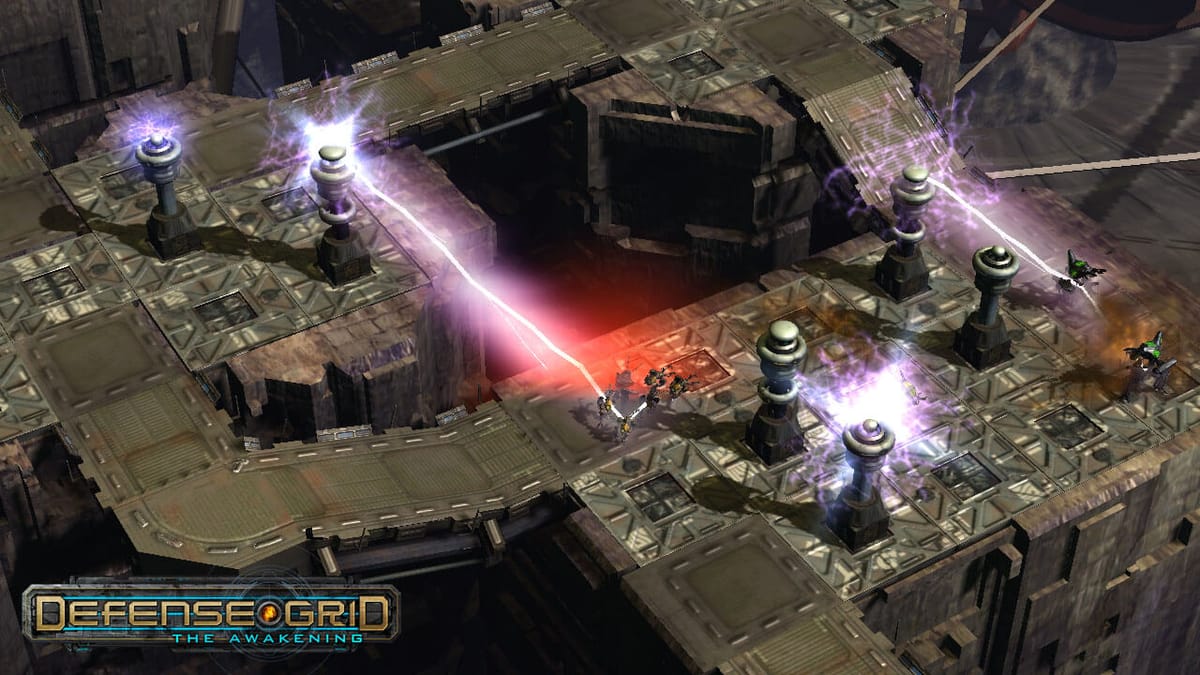
Defense Grid: The Awakening is not here because it offers the most freeform maze construction. It is here because it remains one of the clearest examples of tight-map tower defense where placement, coverage, and lane pressure all matter.
The defensive identity is controlled and readable. You study the map, identify where enemies will spend the most time under fire, and build around those pressure points. It is less about drawing a wild custom route and more about extracting maximum value from constrained space.
That makes it a strong recommendation for players who enjoy choke points but do not always need full path sculpting. The satisfaction comes from efficient tower placement, smart coverage overlap, and understanding how a tight map wants to be defended.
The limitation is obvious for maze-building purists: the route control is bounded. If your main joy is manually shaping enemy movement tile by tile, Defense Grid: The Awakening may feel too structured. If you want a classic tower defense game that still respects positioning, it holds up as a strong fit.
8. Defense Grid 2
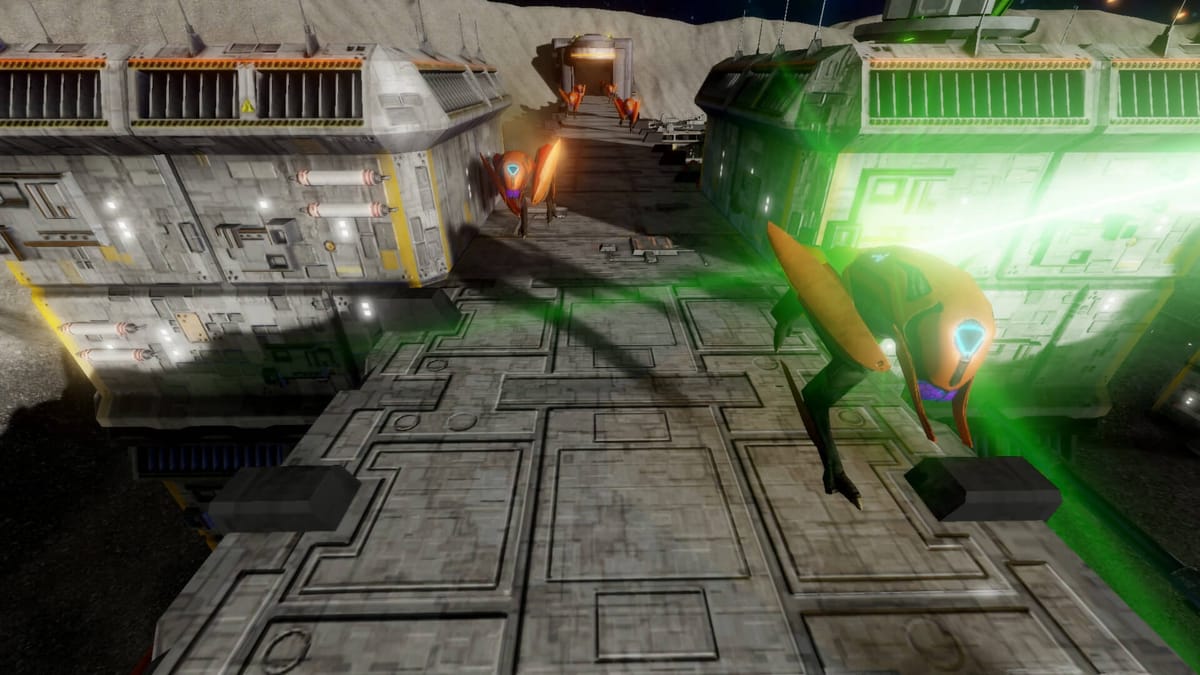
Defense Grid 2 is a good pick if you want the tight placement logic of Defense Grid: The Awakening with new maps, towers, and campaign structure. It is still about reading lanes, building strong firing zones, and making tower placement count.
For this specific list, though, it ranks slightly lower because the maze-building appeal is more indirect. The game is not primarily about giving you a blank canvas for path abuse. It is about solving authored defensive spaces with the right mix of tower efficiency and lane control.
That can be exactly what some players want. If you like tower defense games with choke points but do not want the mental load of building an entire route from scratch, Defense Grid 2 is easier to settle into. It gives you strategic placement without turning every map into a full construction puzzle.
The warning is that more content does not automatically mean more pathing agency. Come here for polished defensive layouts and campaign play, not for the purest custom maze-building loop.
9. Sanctum
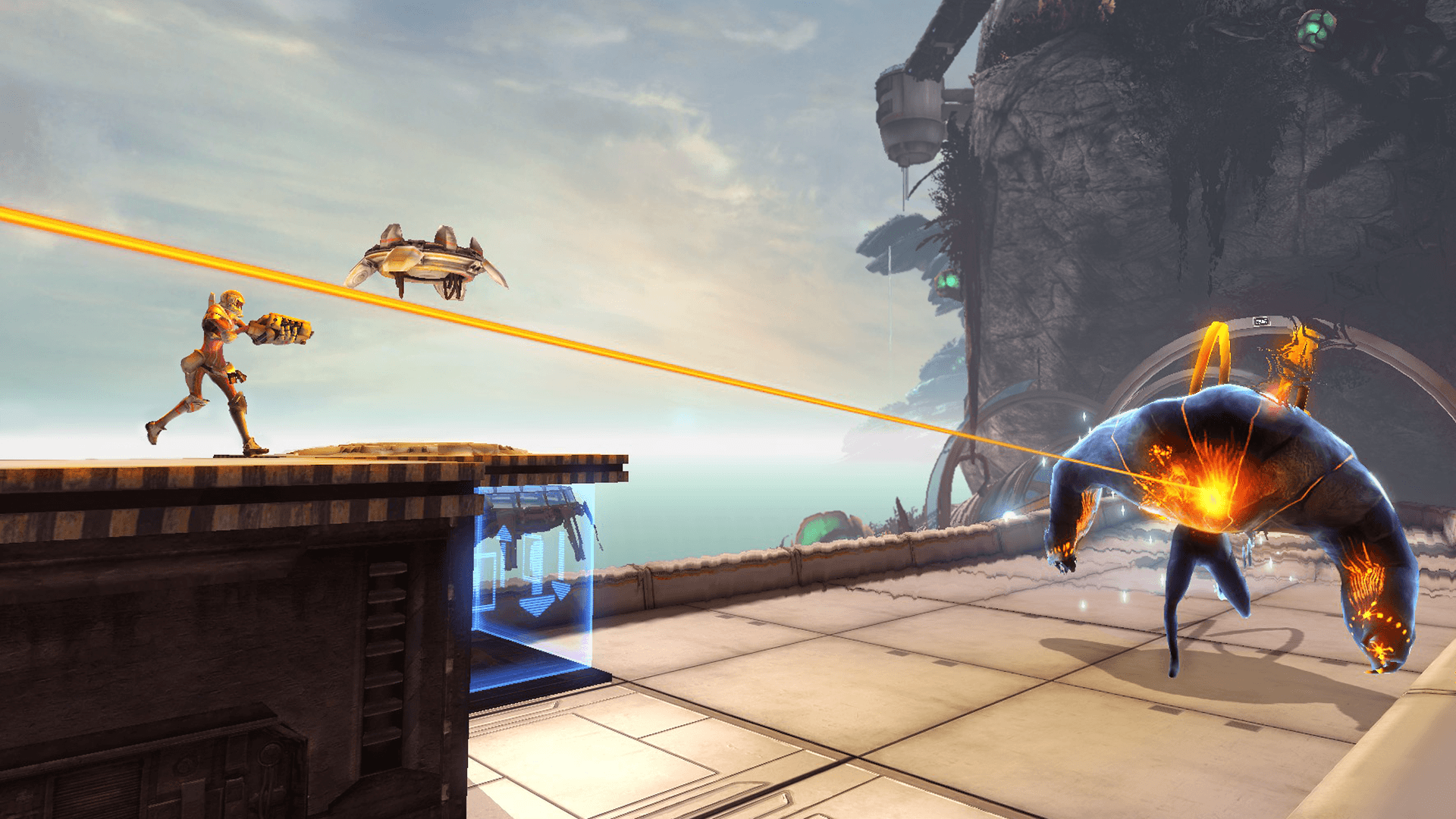
Sanctum is for players who want to build the lane and then personally help defend it. It combines first-person shooting with tower defense: you place towers, then fight in first person when the wave hits.
That creates a very different choke point rhythm. A good layout does not only maximize tower uptime. It also gives you sightlines, reaction time, and manageable pressure. You are designing a defensive route that your towers can exploit and that you can survive inside.
This makes Sanctum a narrow but interesting fit for maze fans. If you like the idea of proving your maze under direct pressure, it has a clear identity. The build phase matters, but so does your ability to respond when enemies push through the lane.
The downside is that FPS execution can overpower pure planning. If you want your maze to be the whole solution, Sanctum may ask too much manual intervention. If you want hybrid action-defense with real placement stakes, it belongs on the list.
10. Sanctum 2
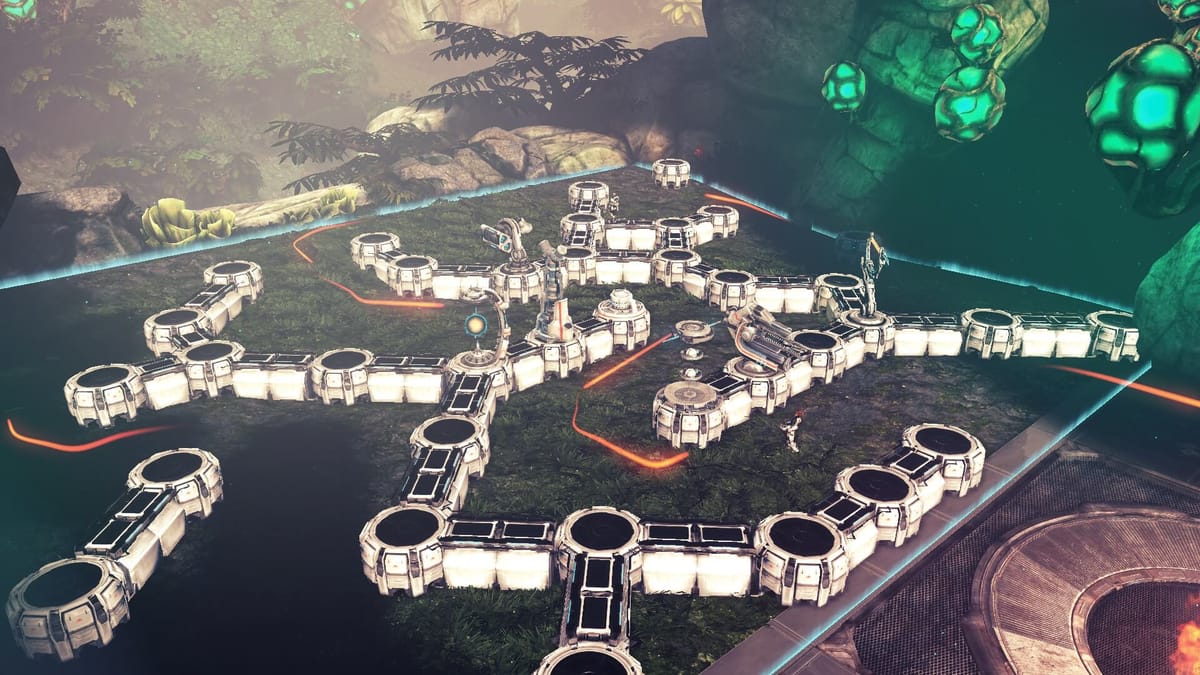
Sanctum 2 is the most conditional recommendation here. It is a first-person shooter tower defense game with co-op and tower placement in 3D space, which means it still has a real defense loop. But the maze-building appeal shares the stage with action and teamwork.
The defensive identity is action-heavy. You are managing tower placement, 3D space, and wave response while also fighting directly. Choke points still matter because they organize pressure, but they are not the only thing carrying the defense.
This clicks most if you want a hybrid game where lane control supports active combat. Co-op also changes how pressure feels, because a defensive failure is not only about the layout. It can come from poor coverage, slow response, or enemies slipping through while players are occupied elsewhere.
For pure choke point addicts, that is the limitation. Sanctum 2 is not the cleanest maze-building pick. It is here because it gives placement-minded players a way to think about pathing in 3D while still demanding hands-on defense.
Which maze-building tower defense game should you play first?
If you want the most direct maze-building focus, start with Emberward, Isle of Arrows, or Radiant Defense. Those are the cleanest fits for players who care about route length, tile value, and enemy movement before damage numbers.
If you want traps and cruel corridors, choose Dungeon Warfare 2 or Dungeon Warfare. They are better when you want choke points to feel like engineered punishment.
If you want tight classic tower placement without full freeform routing, Defense Grid: The Awakening and Defense Grid 2 make more sense.
If you want to build the lane and then fight inside the chaos, X-Morph: Defense, Sanctum, and Sanctum 2 are the action-heavy picks. Just know what you are trading away: less pure maze optimization, more active intervention.
FAQ
What is a maze-building tower defense game?
A maze-building tower defense game is a tower defense game where enemy pathing is part of the strategy. Instead of only placing towers beside a fixed road, you shape, extend, block, redirect, or exploit the route enemies must take.
Are all of these full custom-path tower defense games?
No. Some are true maze-building games, while others are more about choke points, tight placement, trap corridors, or route control. The list focuses on games where enemy movement matters, even if the game does not give you total path-building freedom.
What is the best pure maze-building tower defense game here?
Emberward is the strongest overall pick for pure maze-building strategy. Isle of Arrows is the better pick if you want a more compact tile-placement puzzle.
What is the best trap-based tower defense game on this list?
Dungeon Warfare 2 is the best trap-heavy pick if you want cruel corridors, clustered enemies, and messy choke point punishment. Dungeon Warfare is better if you want a cleaner, more classic version of that idea.
Are Defense Grid games maze-building games?
Not in the full freeform sense. Defense Grid: The Awakening and Defense Grid 2 are more about tight placement, coverage, and map reading. They still belong here because choke points and lane pressure matter a lot, even when the route control is more limited.
Takeaway
The best maze-building tower defense games make the enemy path feel like part of your weapon system. Emberward, Isle of Arrows, and Radiant Defense are the cleanest picks if you want pathing to sit at the center of the game.
Dungeon Warfare 2 and Dungeon Warfare are better if you want trap corridors and nasty dungeon layouts. Defense Grid is the safer classic recommendation if you want polished tower placement without full maze construction. X-Morph: Defense, Sanctum, and Sanctum 2 are for players who want to build the lane and then personally fight when the plan starts breaking.