10 Best Action Tower Defense Games Where Placement Still Matters
A ranked list of action tower defense games where fighting in the lane supports smart trap layouts, chokepoints, tower coverage, and upgrade timing.
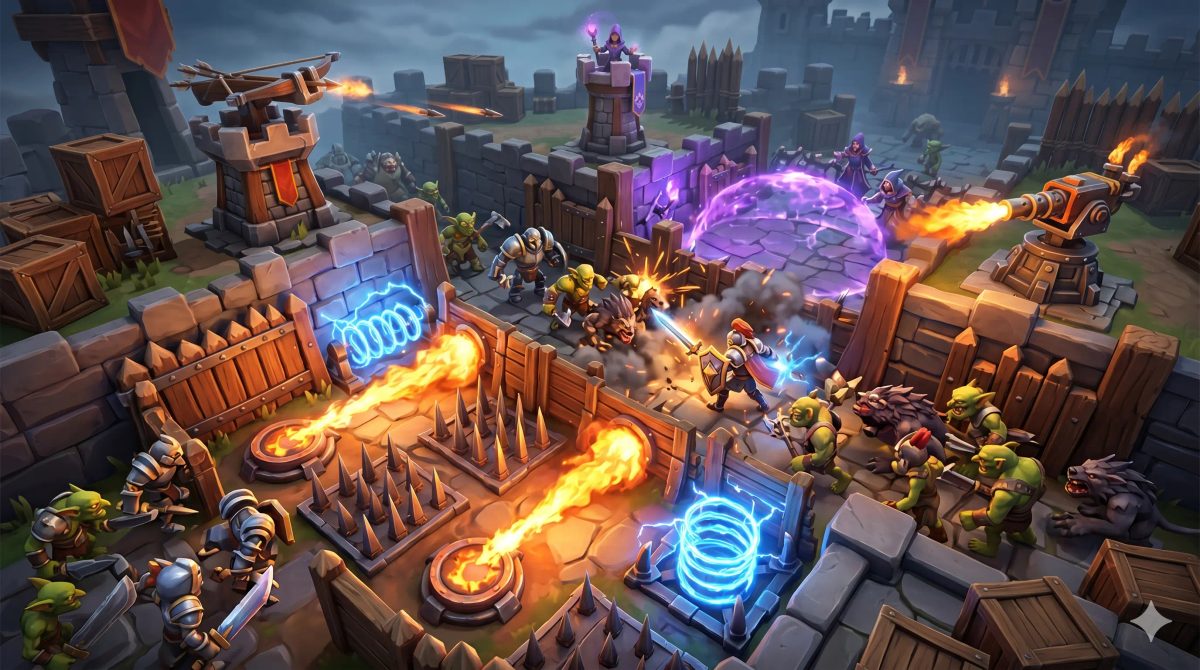
The best action tower defense games do not let your weapon carry a bad layout. They let you stand in the killbox, patch leaks, and make clutch saves, but the map should still be won by pathing, trap coverage, tower efficiency, and upgrade timing.
For this list, I prioritized hybrid tower defense games where active combat supports the defense loop instead of replacing it. If you like tower defense games with active combat but still care about chokepoints, trap angles, body-block routes, and wave planning, these are the strongest fits.
The core question is simple: does the game reward smart placement, or does it just become a wave shooter with a few towers on the side?
Quick take
If you want action tower defense games where placement still matters, start with games that punish weak layouts even when your hero is strong.
- Best overall placement-first action TD: Orcs Must Die! 3
- Best FPS tower defense hybrid: Sanctum 2
- Best hero-and-tower co-op pick: Dungeon Defenders
- Best top-down action hybrid: X-Morph: Defense
- Best classic trap co-op pick: Orcs Must Die! 2
- Best mech defense hybrid: Iron Brigade
- Best broader free-to-play option: Dungeon Defenders 2
- Best unusual formation-defense pick: Kunitsu-Gami: Path of the Goddess
- Best older FPS TD reference point: Sanctum
- Best action-first lighter fit: The Last Friend
The strongest games here understand one thing: a hero should patch leaks, not replace the entire defense plan. If the lane collapses the moment you stop shooting, the placement probably did not matter enough.
What makes placement still matter?
For this ranking, action alone was not enough. A game scored better when it made you ask real defensive questions before the wave started:
- Can I shape the lane, choke, or approach route?
- Do traps and towers handle most of the pressure if placed well?
- Does active combat fix leaks instead of becoming the whole DPS plan?
- Are bad layouts exposed by spawn timing, split lanes, or pressure spikes?
- Does co-op or hero play add decisions instead of just adding noise?
That is why some flashier games rank lower than more rigid ones. In action tower defense, the common mistake is treating movement and weapons as a safety net. They are useful, but they should not be a substitute for a coherent hold.
1. Orcs Must Die! 3
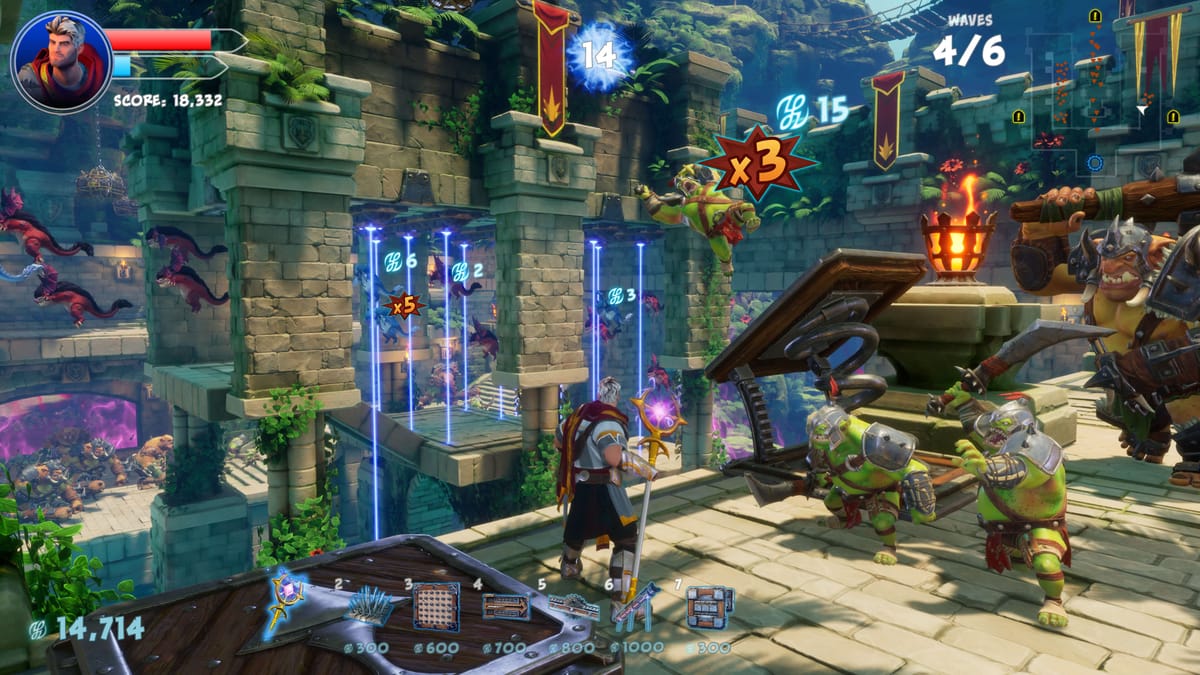
Orcs Must Die! 3 is the cleanest pick here because its action layer is loud, satisfying, and still subordinate to trap engineering. The defensive identity is trap-heavy third-person lane control. You are not just shooting orcs. You are building a route that turns their path into a damage calculation.
What makes it work is that the player character feels important without becoming the entire plan. You can body-block, finish high-value targets, and recover from leaks, but the real win condition is still the killbox. Trap combinations matter. Lane coverage matters. Upgrade timing matters. If your setup cannot thin the wave while you are somewhere else, the map is telling you something.
This is the best fit for players who want third-person tower defense games where the camera sits inside the defense rather than above it. You get the satisfaction of fighting in the lane, but the smarter play is often to build a trap sequence that lets you leave that lane alone.
The main friction is temptation. Flashy weapons can make you over-intervene. That works for a while, until the spawn cadence exposes a bad chokepoint. Treat the hero as a leak patcher, not a replacement tower, and Orcs Must Die! 3 becomes one of the strongest examples of action TD design.
2. Sanctum 2
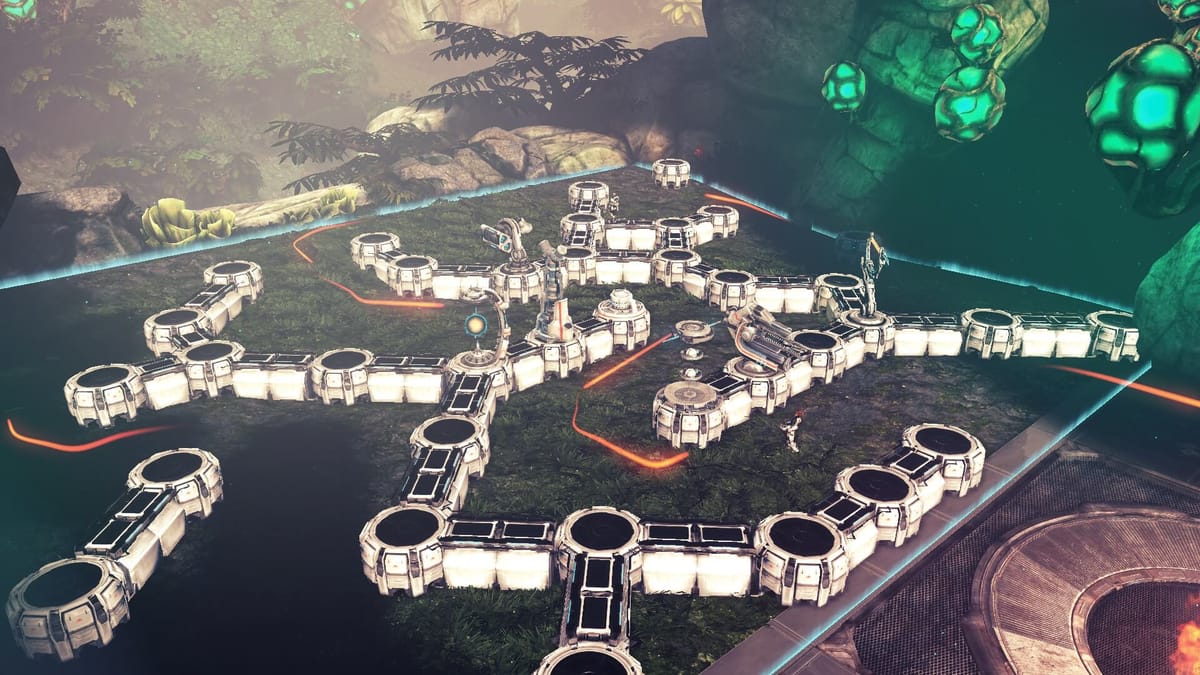
Sanctum 2 is for players who want the defensive math of tower placement with the immediacy of first-person combat. Its fit for this list comes from how much it asks you to think in 3D space. You are not only placing towers. You are reading lanes, shaping enemy movement, and deciding where your own body needs to be when the pressure arrives.
The first-person shooting matters, but it is not a license to ignore structure. A poor layout creates bad angles, long rotations, and awkward emergency fights. A good layout gives your towers time to work and gives you clean intervention points. That distinction is exactly what separates strong tower defense games with active combat from wave shooters with furniture.
Sanctum 2 clicks most if you enjoy co-op defense but still want each player to have a responsibility. One player can stabilize a pressure lane while the build does its job elsewhere. That kind of division only works when the tower plan is readable.
The limitation is that its shooter side is more central than in a trap-first game. If you want the towers to do nearly everything while you make occasional clutch plays, it may feel too active. But if you want an FPS tower defense where placement decides whether combat feels controlled or desperate, it belongs near the top.
3. Dungeon Defenders
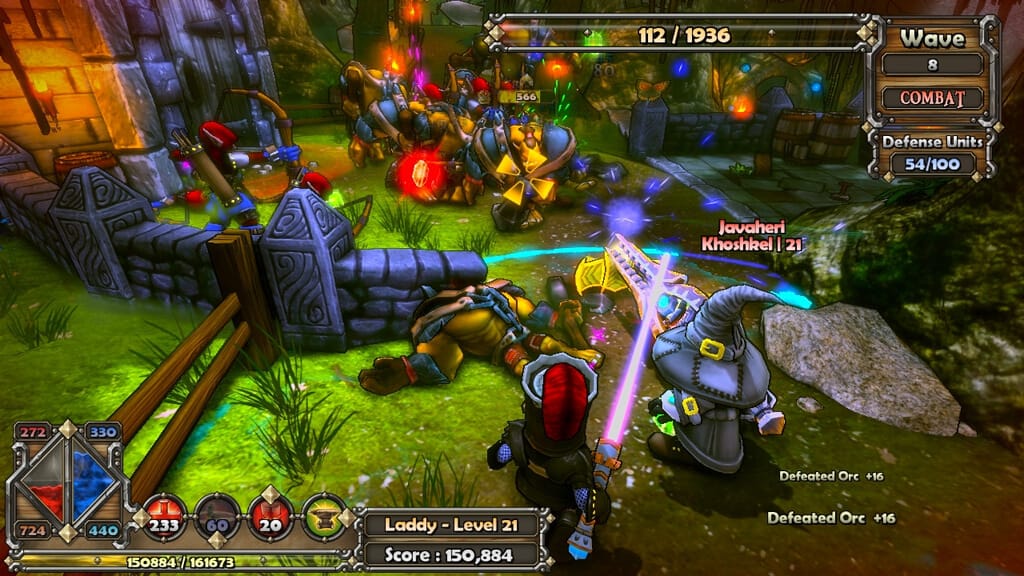
Dungeon Defenders earns its spot because it blends action RPG heroes with tower defense without fully abandoning build planning. The defensive identity is hero-driven, co-op-heavy, and tower-based. You are managing lanes, defenses, upgrades, and active intervention at the same time.
The reason it ranks high is simple: the hero layer gives you agency, but the tower layer still gives the map its shape. You need to understand where pressure is coming from, which lanes can be automated, and where your character should stand when the defense starts to bend. A good setup reduces panic. A bad setup turns every wave into a chase.
This is a strong fit for players who like progression, heroes, loot, and co-op roles but still want a recognizable tower defense core. The satisfaction comes from building a defense that holds long enough for the heroes to solve the unusual problems.
Where this gets tricky is attention split. If you want pure lane optimization, the action RPG layer may feel like extra overhead. If you want pure action, the tower responsibilities may feel restrictive. Dungeon Defenders works best when you want both and accept that neither side is optional.
4. X-Morph: Defense
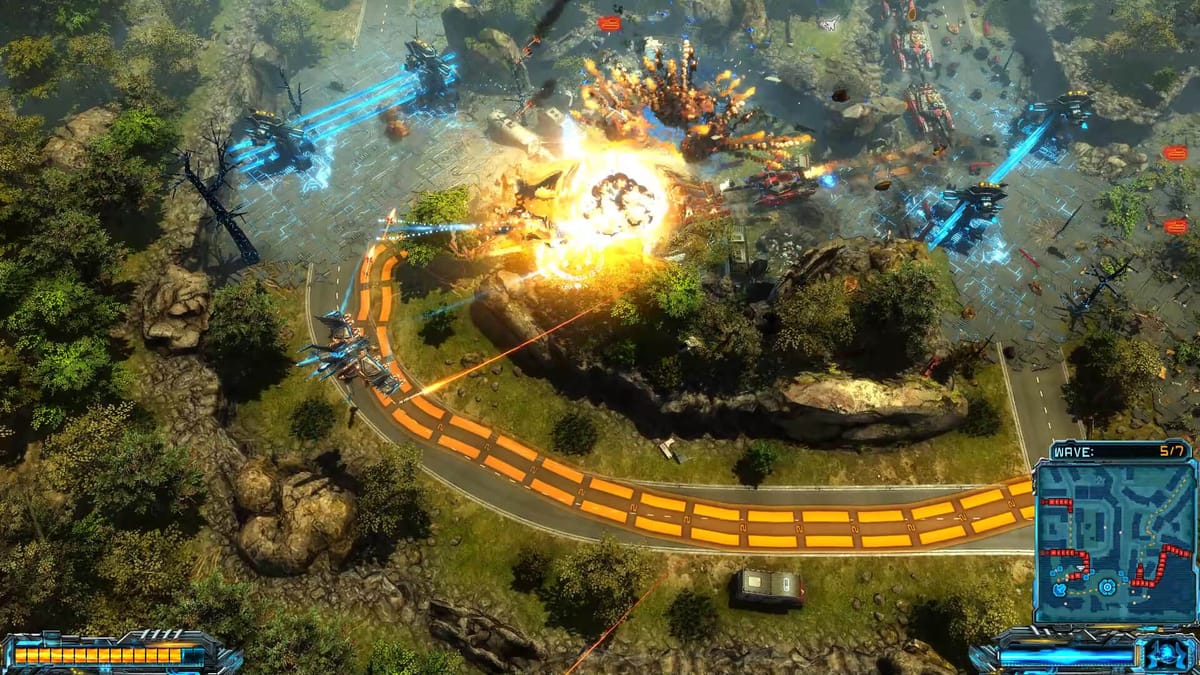
X-Morph: Defense is more top-down and more aggressive than most games on this list. You build towers, but you also pilot a morphing alien fighter, which makes the action layer fast, mobile, and direct. The defensive identity is map-control tower defense with heavy active combat.
The reason it fits this topic is that movement alone does not solve everything. Your fighter can cover gaps, punish priority threats, and respond to pressure, but your tower setup still determines how manageable the battlefield feels. Strong placement buys time. Weak placement forces constant firefighting.
This is a good choice if you want action tower defense games that feel sharper and more mobile than traditional trap defense. You are not standing inside a narrow corridor waiting for enemies to hit your killbox. You are shaping the field, then using mobility to reinforce weak points.
The tradeoff is that it leans more action-heavy than some tower defense purists will want. If your favorite part of defense games is watching a carefully tuned lane solve itself, X-Morph: Defense may feel too hands-on. If you want active response layered on top of tower planning, it is one of the better hybrids.
5. Orcs Must Die! 2
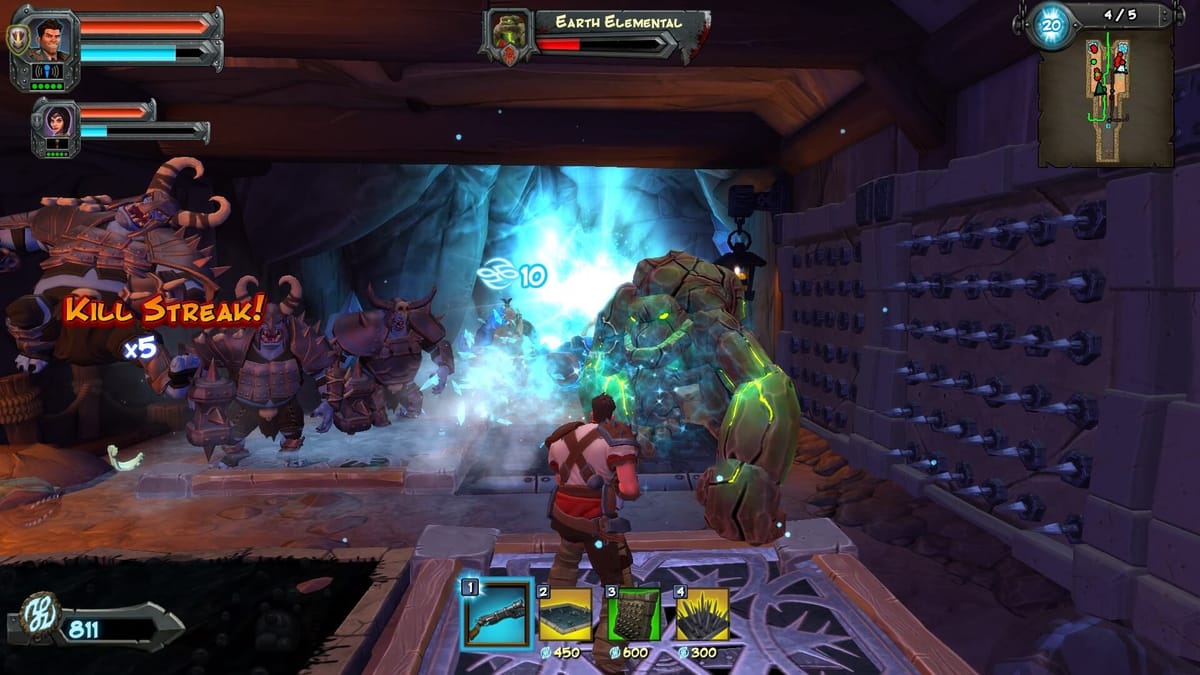
Orcs Must Die! 2 remains one of the clearest examples of co-op trap-and-tower defense. It is not here just because it has orcs, traps, and third-person action. It is here because the game understands that a trap layout should create a job for the player, not erase the player completely.
In co-op, that matters even more. Bad placement turns both players into janitors. Good placement lets one player hold a trouble point while the other watches a flank or handles leaks. The fun is not simply shooting into a crowd. It is building a lane where the crowd arrives already weakened, slowed, or redirected.
This is a strong pick for players who specifically want tower defense games with traps and co-op action. Its best moments come when both players understand the route, the choke, and the recovery plan.
The reason it sits below Orcs Must Die! 3 here is not because the core idea is weaker. It is because this ranking favors the cleanest overall modern fit for action TD placement. Orcs Must Die! 2 is still excellent for trap-minded players, especially if co-op killbox building is the main appeal.
6. Iron Brigade
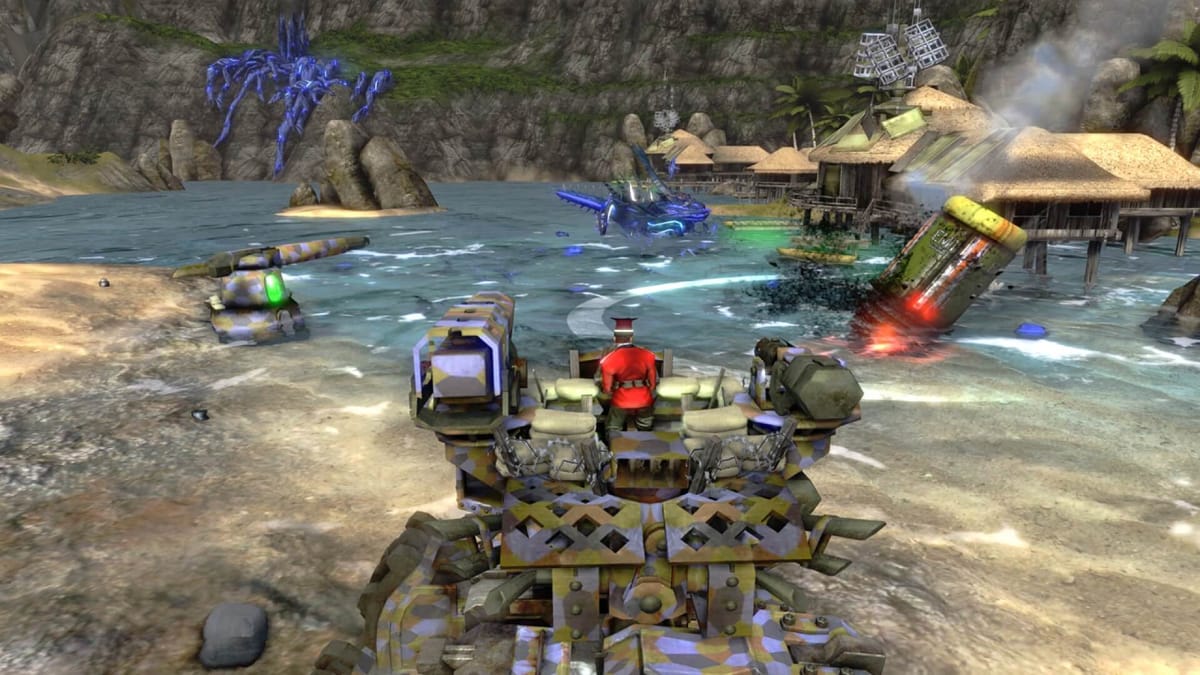
Iron Brigade has a very different flavor from the trap-heavy games above it. Its defensive identity is third-person mech defense with trench-warfare pressure. You are managing firepower, tower placement, and your own positioning inside a battlefield that wants to pull you away from the safe plan.
The best reason to play it is the way it makes the player feel like part of the fortification. Your mech is not just a hero standing near towers. It is part of the defensive line. That changes the rhythm. You are thinking about what your deployed defenses can cover and where your own active fire is needed most.
This fits players who like heavier action and want a defense game where the avatar has real weight. It is less about delicate trap geometry and more about stabilizing lanes under pressure.
The main limitation is that placement can feel less surgical than in the top trap-focused picks. If you want cone angles, layered slows, and intricate killbox tuning, Iron Brigade may not scratch that exact itch. It works better as a hold-the-line hybrid where your build and your mech share the burden.
7. Dungeon Defenders 2
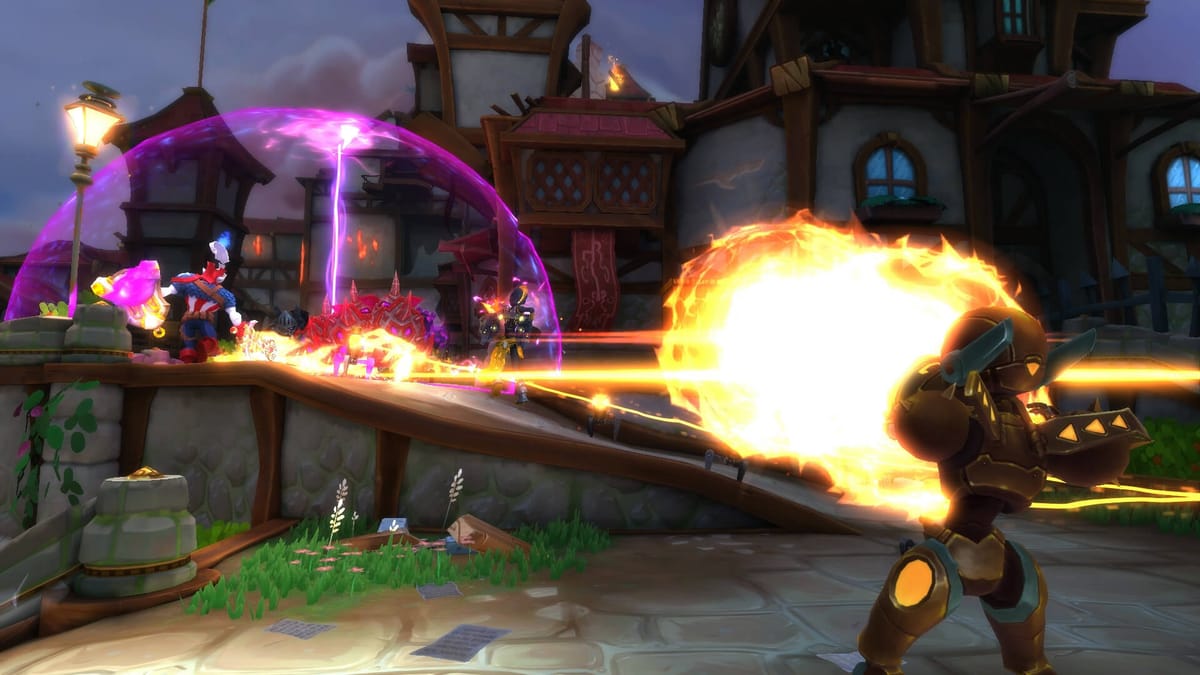
Dungeon Defenders 2 is a more conditional recommendation. It has the right ingredients: heroes, towers, co-op, and active defense. It belongs here because it still asks you to think about lane responsibilities and tower coverage rather than simply fighting waves by hand.
The appeal is breadth. More heroes and more towers mean more ways to approach defense construction. For players who like experimenting with different defensive roles, that variety is the point. You are not just choosing where to stand. You are choosing what kind of build identity will carry the map.
The friction is that the free-to-play structure can matter depending on what you want from a tower defense game. If you want a clean, contained campaign-style defense experience, that format may be a turnoff. If you are comfortable with a broader co-op action-defense framework, Dungeon Defenders 2 offers a lot of ways to combine active combat with tower planning.
For this specific list, it ranks below Dungeon Defenders because the older game is the tighter recommendation for players who want the hybrid concept without as much surrounding structure. But Dungeon Defenders 2 still fits if you want more heroes, more build variety, and a longer-term co-op defense loop.
8. Kunitsu-Gami: Path of the Goddess
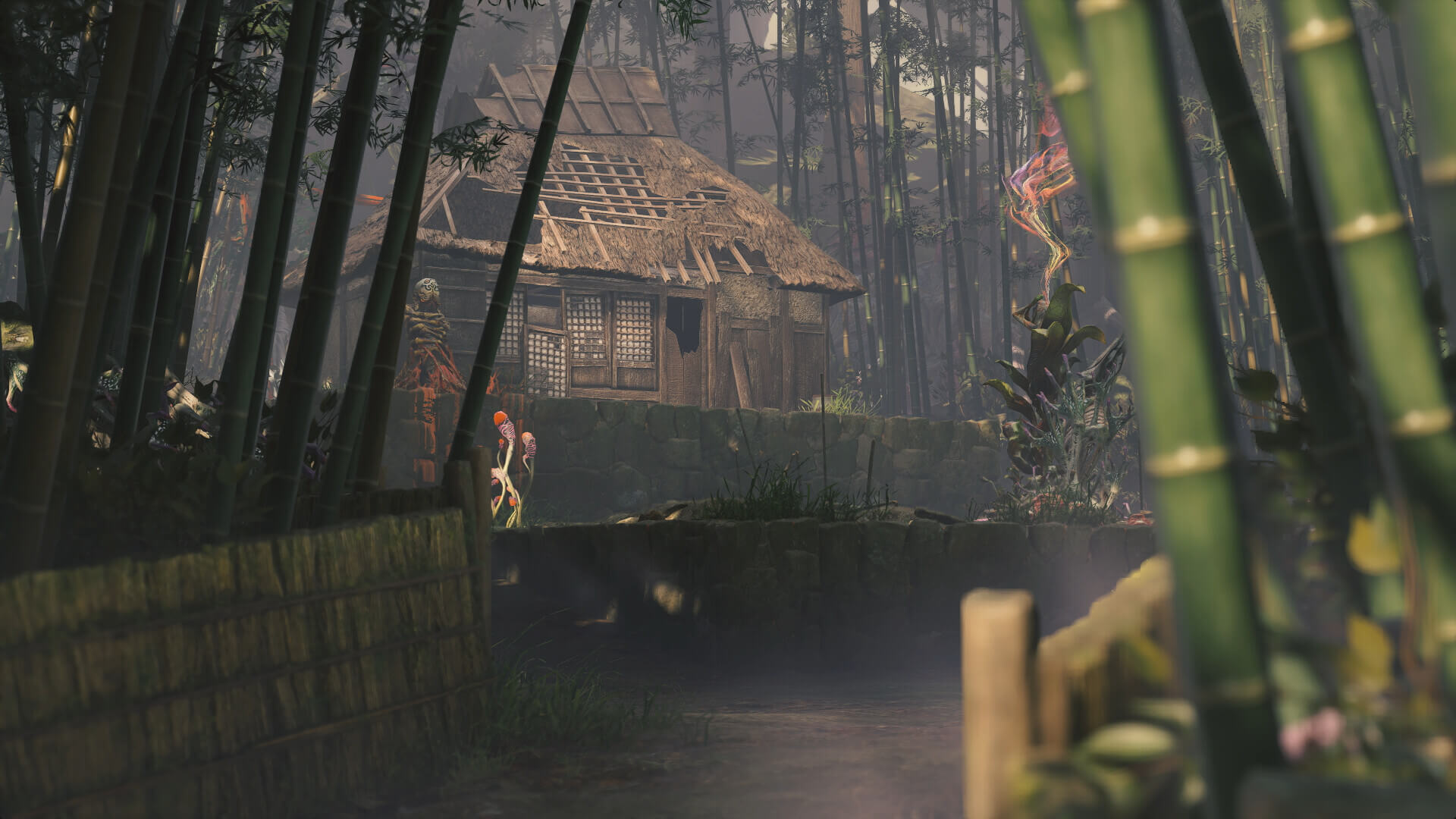
Kunitsu-Gami: Path of the Goddess is the most unusual fit on this list, and that is why it is worth separating from the more obvious action TD picks. Its defensive identity is a tower defense and action-strategy hybrid, built around Japanese fantasy rather than a standard trap corridor or turret maze.
The placement question here is less about classic tower density and more about role assignment, positioning, and wave response. You are managing a defensive plan while also taking active responsibility for the moments where the line starts to buckle. That makes it relevant for players who want hybrid tower defense games but are tired of the usual trap-room structure.
This clicks most if you like defense as choreography. You are not only asking, “Where does the tower go?” You are asking how the whole defensive formation survives the wave.
The limitation is important: if you specifically want third-person trap-and-tower defense, this is not the direct substitute. It is a broader hybrid. Come to it for defensive coordination and active pressure handling, not for pure killbox engineering.
9. Sanctum
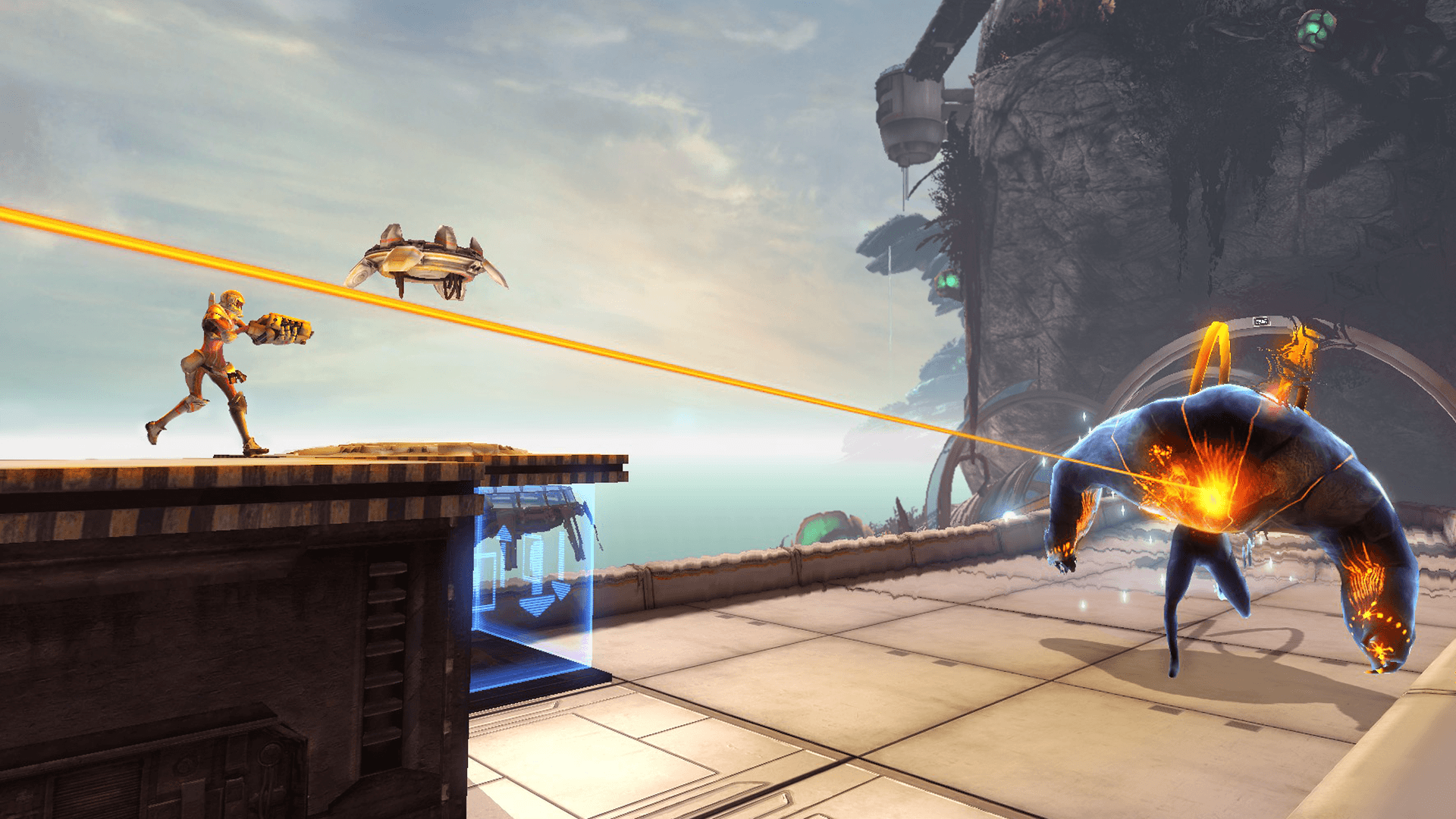
Sanctum deserves respect because it helped establish the FPS tower defense idea: place towers, then fight in first person. For this list, its value is clearest if you want to understand the raw version of that concept.
The defensive identity is straightforward. You build, then you personally help hold the wave. It makes the relationship between layout and shooting very visible. If your tower placement creates poor firing lanes or leaves you with bad rotations, you feel it immediately.
That directness is also the limitation. Sanctum is a narrower recommendation than Sanctum 2 for most players looking for the best action tower defense games now. The sequel is the stronger general pick for co-op FPS tower defense with broader placement interest.
Still, Sanctum belongs here because it keeps the core promise honest. Active combat is present, but tower placement is still the structure holding the match together.
10. The Last Friend
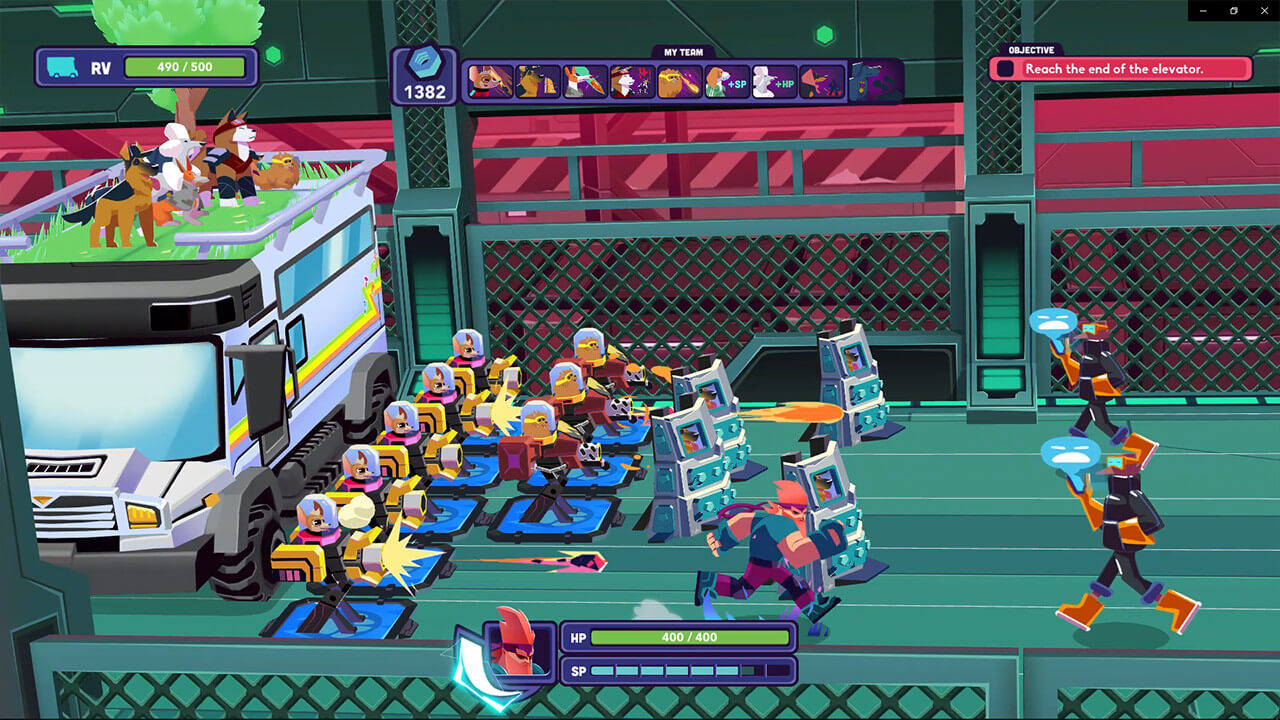
The Last Friend is the lightest defensive fit in this ranking, but it has a clear niche. It blends tower defense with beat-’em-up action, which means the active combat layer is more immediate and brawler-like than the other picks here.
That can be fun if you want defense with constant hands-on movement. You place defenses across a post-apocalyptic campaign, then step into the fight yourself. The appeal is not deep trap engineering. It is the combination of lane support, direct combat, and a more accessible action rhythm.
The reason it ranks lower is that the beat-’em-up side can pull attention away from the placement puzzle. If you are looking for a game where trap layout, chokepoint compression, and upgrade efficiency are the main event, The Last Friend is a narrower match.
Pick it if you want action-first defense with a lighter tower layer. Skip it if you want the build phase to feel like the real battle.
The best picks by player type
If you want the strongest overall placement-first action TD, start with Orcs Must Die! 3. It is the cleanest answer for players who want traps, lanes, combos, and third-person combat without letting the hero erase the planning layer.
If you want FPS pressure and co-op map control, choose Sanctum 2. It rewards players who can think about tower placement in 3D space while still handling active wave pressure.
If you want heroes, co-op builds, and action RPG progression inside a defense game, Dungeon Defenders is the safer first stop. Dungeon Defenders 2 is better if variety and free-to-play structure appeal to you.
If you want more direct combat, X-Morph: Defense and Iron Brigade are the stronger action-heavy choices. They still care about defense, but they ask for more active battlefield control.
If you want something stranger and more formation-driven, Kunitsu-Gami: Path of the Goddess is the pick. Just do not expect a conventional trap corridor.
Final ranking
- Orcs Must Die! 3
- Sanctum 2
- Dungeon Defenders
- X-Morph: Defense
- Orcs Must Die! 2
- Iron Brigade
- Dungeon Defenders 2
- Kunitsu-Gami: Path of the Goddess
- Sanctum
- The Last Friend
FAQ
What is an action tower defense game?
An action tower defense game mixes traditional defense planning with direct player control. You still place towers, traps, or defensive units, but you also fight, move, shoot, block, or support the defense during the wave.
Which action tower defense game has the best trap placement?
Orcs Must Die! 3 is the strongest pick if you want trap placement to stay central. The hero matters, but the best maps are still won through smart killboxes, chokepoints, and trap combinations.
What is the best FPS tower defense game?
Sanctum 2 is the best fit for most players. It combines first-person shooting with tower placement, lane shaping, and co-op pressure in a way that still makes the build phase matter.
Is Dungeon Defenders more action RPG or tower defense?
It is both. Dungeon Defenders has hero progression and active combat, but tower placement, lane coverage, and defensive planning still shape how each map plays.
What should I play if I want co-op action tower defense?
Start with Orcs Must Die! 3, Sanctum 2, or Dungeon Defenders. Orcs Must Die! 3 is best for trap-based co-op, Sanctum 2 is best for FPS co-op defense, and Dungeon Defenders is best for hero builds and RPG-style progression.
Final thoughts
The cleanest lesson across all ten games is simple: action makes a defense game better when it gives you meaningful recovery tools, not when it lets you ignore the build.
A good hero patches leaks. A good weapon buys time. A good co-op partner stabilizes pressure. But the defense should still be doing real work.
If the lane collapses the moment you stop attacking, the placement did not matter enough.