10 Best Offline Tower Defense Games for No-Wi-Fi Strategy Runs
Ten offline-friendly tower defense games ranked by placement depth, readable failures, replay value, and how well their solo strategy holds up without Wi-Fi.
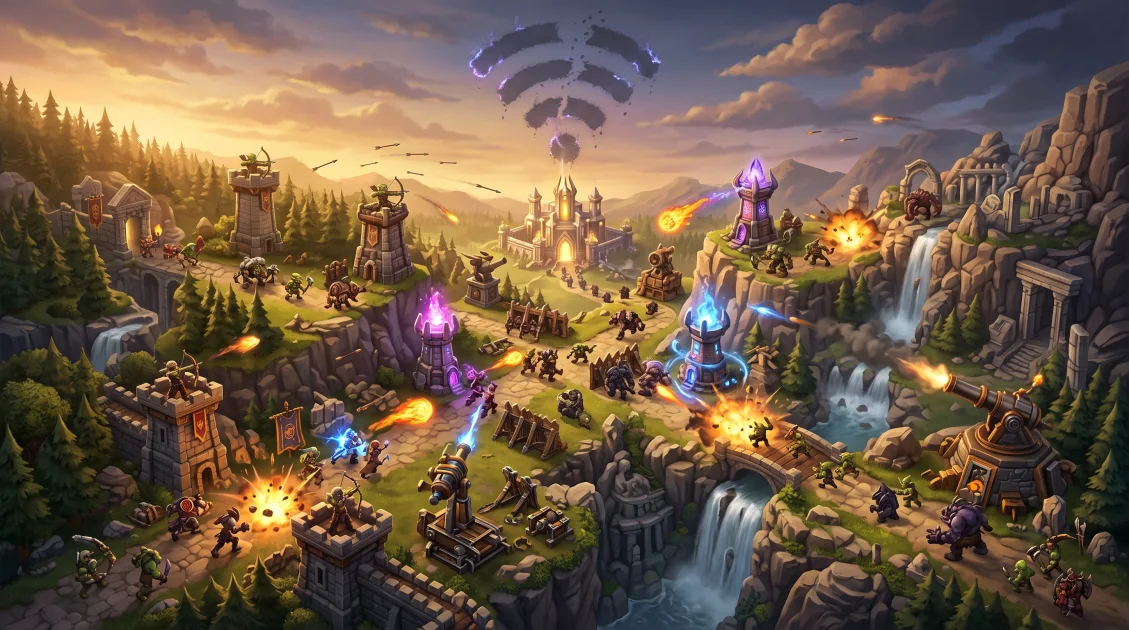
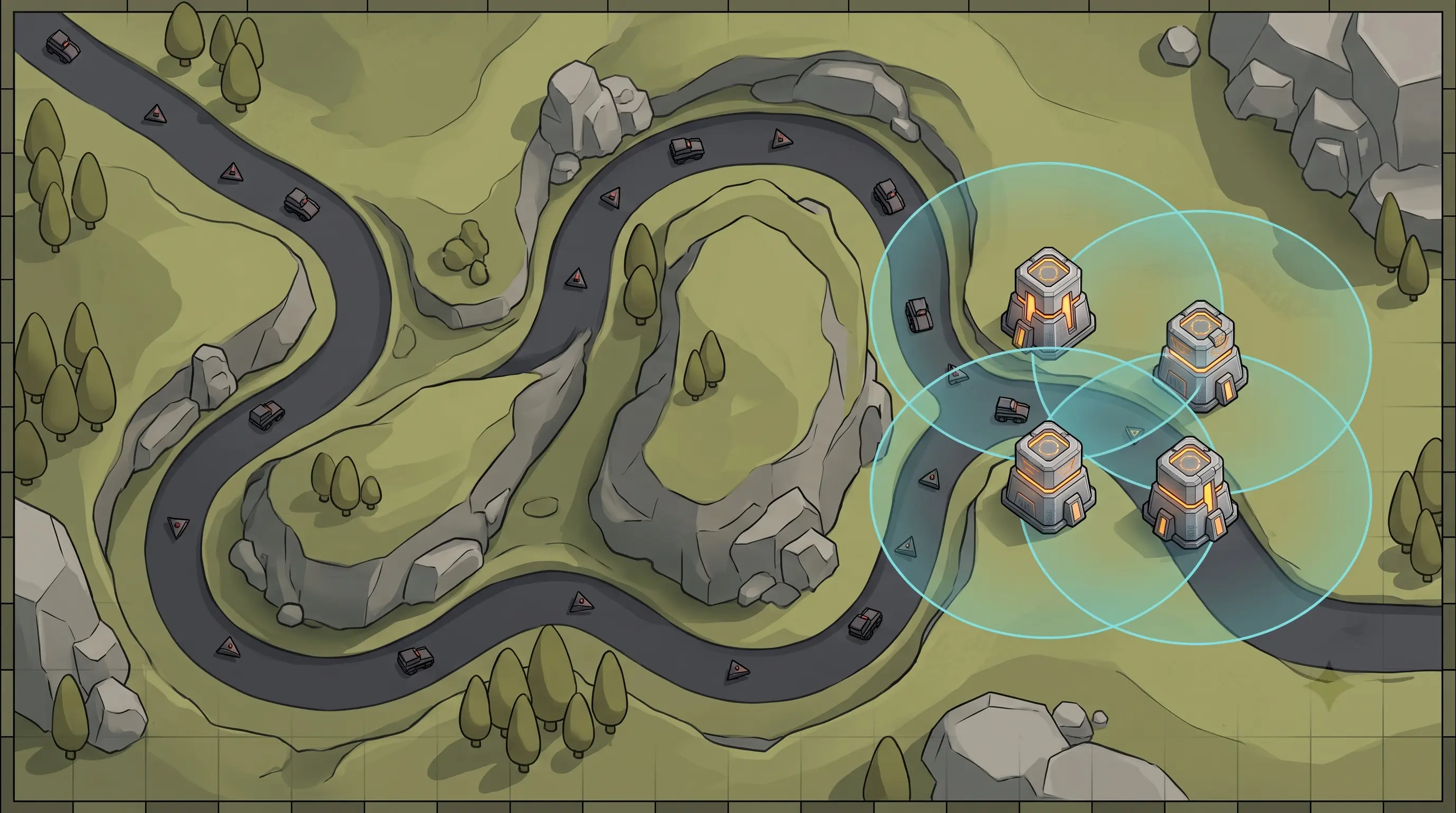
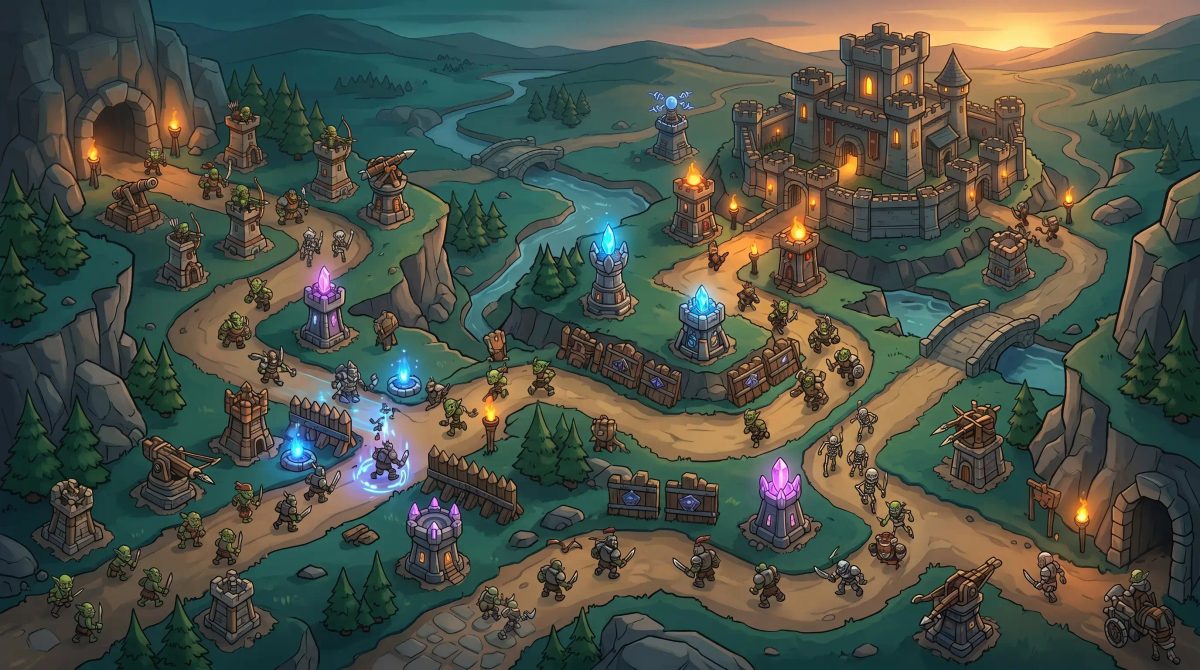
Offline tower defense games live or die by their maps. When the internet drops, there is no co-op carry, daily event, or online ladder to distract from a weak defense loop. The lanes, towers, timing, and upgrade decisions have to carry the game on their own.
This ranking is for commuters, travelers, Steam Deck players, and mobile TD fans who want real solo strategy without a constant connection. I weighted placement tension, readable failures, replayable openings, pause-planning, and how satisfying each game remains once the live-service extras disappear.
Offline warning: Install the game fully and launch it once before traveling. Offline support can vary by platform, storefront, account check, cloud-save setup, and game version. Some optional features—including co-op, events, user-made content, and cloud saves—may still require a connection.
The best offline tower defense games at a glance
| Rank | Game | Best for | Main tradeoff |
|---|---|---|---|
| 1 | Kingdom Rush | The best all-around classic TD campaign | Less build depth than larger systems-heavy games |
| 2 | Defense Grid: The Awakening | Pure placement and route control | Clinical presentation and few emergency tools |
| 3 | Bloons TD 6 | Long-term replay value and upgrade depth | Visually busy and mechanically dense |
| 4 | Plants vs. Zombies | Approachable lane defense | Lower strategic ceiling |
| 5 | GemCraft: Frostborn Wrath | Deep endurance planning | Heavy progression and longer runs |
| 6 | Dungeon Warfare 2 | Trap chains and physical lane control | Messier than traditional tower TD |
| 7 | Kingdom Rush Frontiers | More variety within the Kingdom Rush formula | Less pure than the original |
| 8 | Defense Grid 2 | More sci-fi route-control maps | Broader but not as tightly focused as the first game |
| 9 | GemCraft: Chasing Shadows | More deep gem-combining strategy | Harder first recommendation for newcomers |
| 10 | Kingdom Rush Origins | Another polished fantasy campaign | Best after playing the stronger series entries |
1. Kingdom Rush
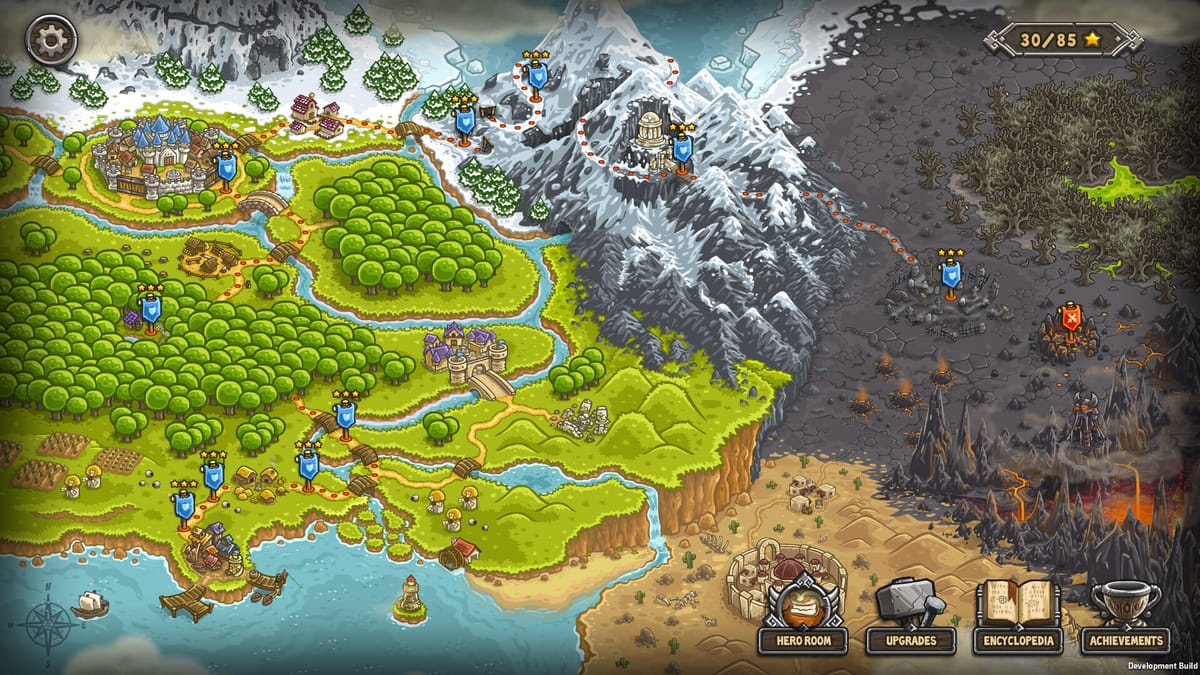
Kingdom Rush is the cleanest overall recommendation because its maps make every tower slot feel deliberate. You are deciding where barracks should stall a wave, where artillery can hit the most enemies, and when your hero needs to rescue a leaking choke.
Its compact lanes are easy to read, which makes failure useful. When a run collapses, the cause is usually visible: the melee stall came too late, the anti-armor answer covered the wrong lane, or too much gold went into range instead of control. The game rarely hides a strategic mistake behind noise.
The difficulty curve also works well for solo play. Early stages teach anchoring and coverage. Later ones punish lazy upgrade timing and weak split-lane priorities. Pause-planning feels like a tactical tool as you juggle reinforcements, hero movement, spells, and tower upgrades.
Best for: Players who want classic tower defense that is easy to understand but difficult to perfect.
Do not pick it if: You want enormous build trees, endless customization, or sprawling endurance systems. Kingdom Rush wins through precision, not scale.
2. Defense Grid: The Awakening
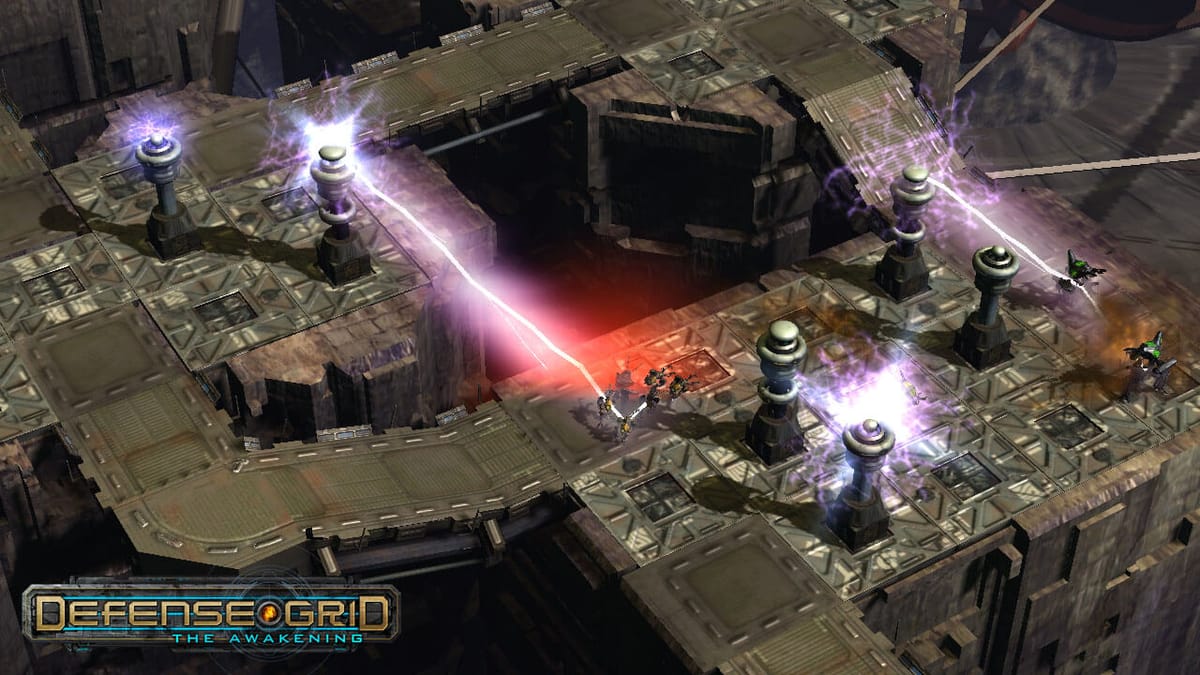
If your favorite part of tower defense is changing enemy pathing with tower placement, Defense Grid: The Awakening belongs near the top. Its sci-fi maps revolve around route control, tower density, and one constant question: should the next tower extend the maze, reinforce the kill zone, or protect the shortest route to the cores?
The strategy feels architectural. You read the lane, build a damage corridor, and refine the economy behind it. A single misplaced tower can shorten the enemy route, weaken overlapping fire, or waste a valuable position.
That makes its stages worth replaying after the first clear. A better opening changes the whole defense, not only the final score. Without online rewards pushing you forward, that restart-worthy map design matters.
Best for: Players who want clean systems, efficient layouts, and route manipulation.
Do not pick it if: You want colorful heroes, frequent active abilities, or frantic emergency buttons. Its colder presentation keeps the focus on geometry.
3. Bloons TD 6
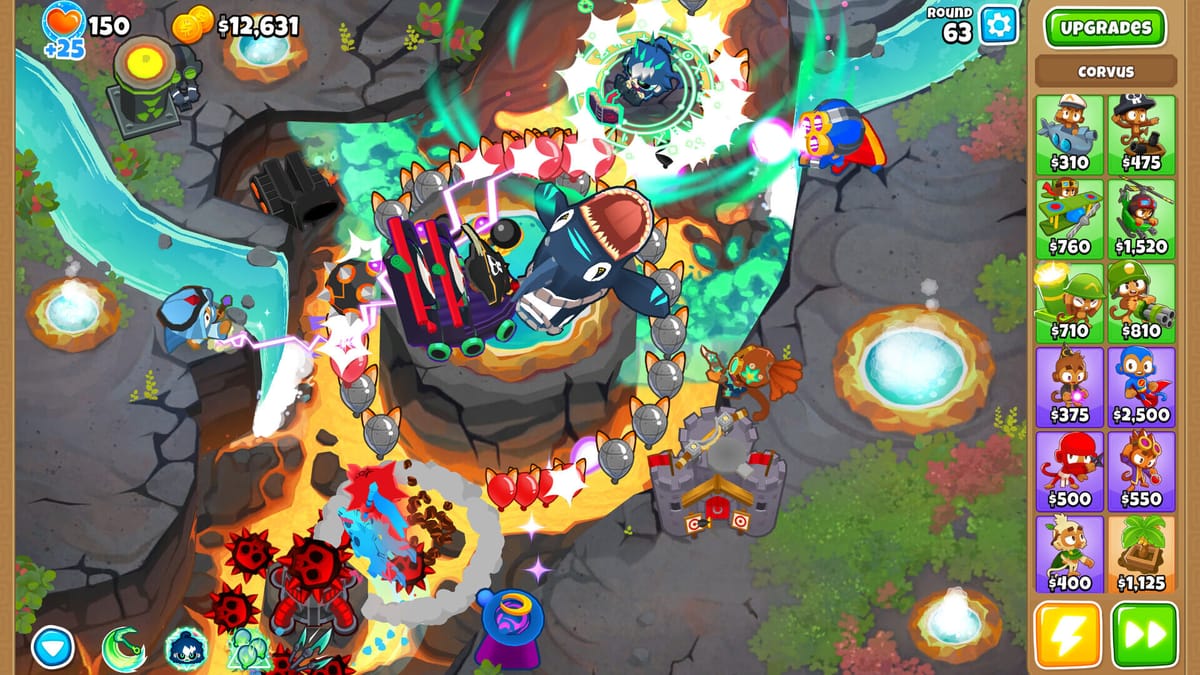
Bloons TD 6 earns its place through depth. Its towers, branching upgrades, heroes, maps, and challenge options give it the broadest long-term strategy footprint on this list. It can absorb hours of route testing, tower experiments, economy planning, and attempts at harder rule sets.
The defense is tower-dense and upgrade-driven. You are balancing lane coverage, damage types, hero value, economy, and the timing of major power spikes. Unlike a compact puzzle TD, a failure may have roots many rounds earlier in the build.
The official mobile listings specifically support offline single-player, but online features such as co-op and some rotating or shared content naturally remain connection-dependent. Prepare the app before a trip rather than assuming every menu will work for the first time without internet.
Best for: Players who want the most replay value and the widest decision space.
Do not pick it if: You only want clean chokepoint logic. Busy late rounds and large upgrade trees make failures harder to diagnose than in Kingdom Rush.
4. Plants vs. Zombies
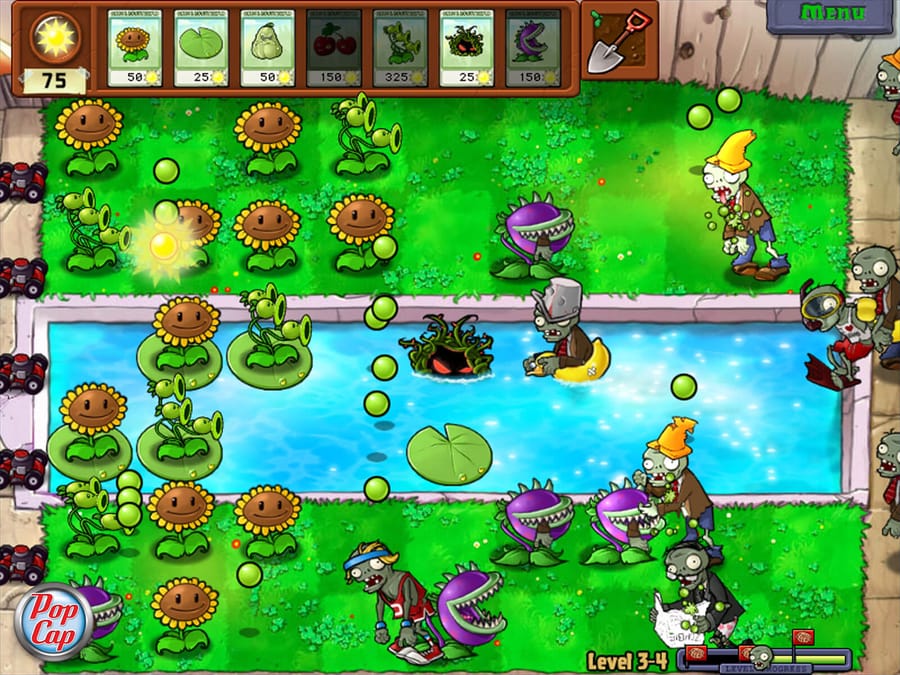
Plants vs. Zombies is the most approachable game here, but its clarity should not be confused with shallow design. Every mistake is visible. When a row breaks, you can usually see which plant line failed and whether the cause was economy, timing, coverage, or a missing counter.
The lawn turns tower defense into row management. You generate sun, build stable lanes, answer special enemies, and keep enough flexibility for emergencies. The defensive problem is understood quickly, making it an excellent fit for short sessions.
Its pacing is the real strength. You do not need to remember a giant tech tree after leaving the game for a week, and the visual language remains readable even when several rows are under pressure.
Best for: Players who want low-friction offline defense with elegant lane control.
Do not pick it if: You want endless theorycrafting. It has less build depth and long-tail optimization than Bloons TD 6, GemCraft, or Dungeon Warfare 2.
5. GemCraft: Frostborn Wrath
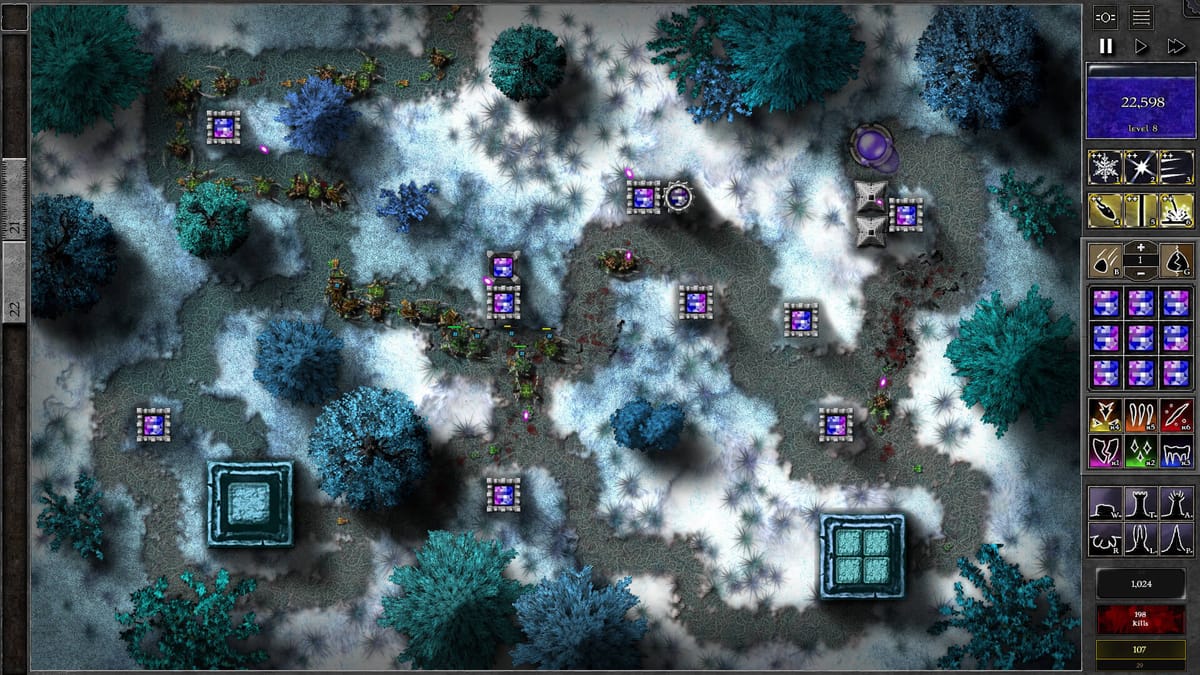
GemCraft: Frostborn Wrath is for players who want a long strategic grind rather than a tidy map puzzle. Its identity is gem-driven, endurance-heavy, and built around compounding power. You create damage engines by combining gems while judging how much pressure the current defense can survive.
Good choices stack, but weak ones do too. Build too broadly or mismanage gem growth and later waves expose the problem. The tension comes from balancing immediate survival against the stronger setup you want several waves from now.
That gives GemCraft a heavier rhythm than Kingdom Rush or Plants vs. Zombies. Runs ask for patience, forward planning, and comfort with layered progression.
Best for: Players who want long solo sessions, deep optimization, and defenses that grow into overwhelming engines.
Do not pick it if: You want quick five-minute solves or instantly readable failures.
6. Dungeon Warfare 2
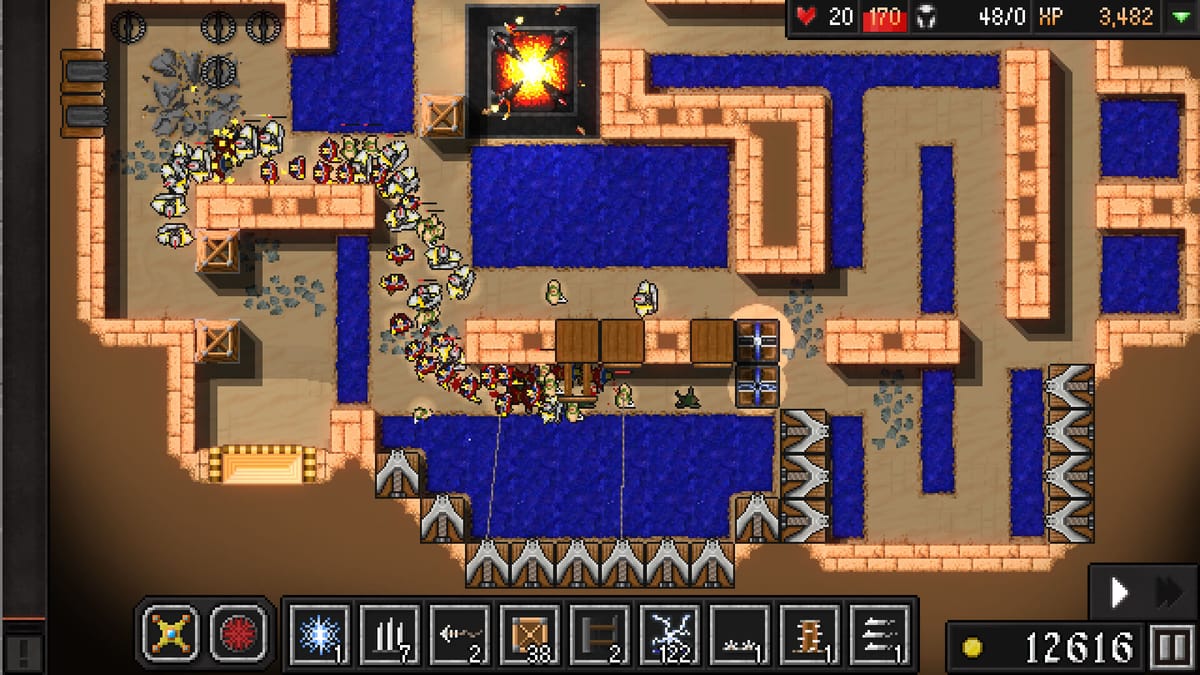
The reason to play Dungeon Warfare 2 is traps. Chokepoints are not merely places to stack damage; they are opportunities to push, pull, crush, stall, and throw enemies into hazards. The map becomes part of the weapon.
Compared with traditional tower defense, it feels meaner and more physical. You manage trap timing, enemy movement, lane manipulation, and the risk of a chain breaking. A strong setup can make a wave collapse before it reaches the objective.
Restarts stay satisfying because the goal is often a sharper interaction between traps, not just a larger damage number. What looks chaotic on screen can be carefully engineered underneath.
Best for: Players who enjoy physics, trap combinations, and controlling how enemies move.
Do not pick it if: You prefer neat tower roles and obvious upgrade paths. Its brutality is more important than elegance.
7. Kingdom Rush Frontiers
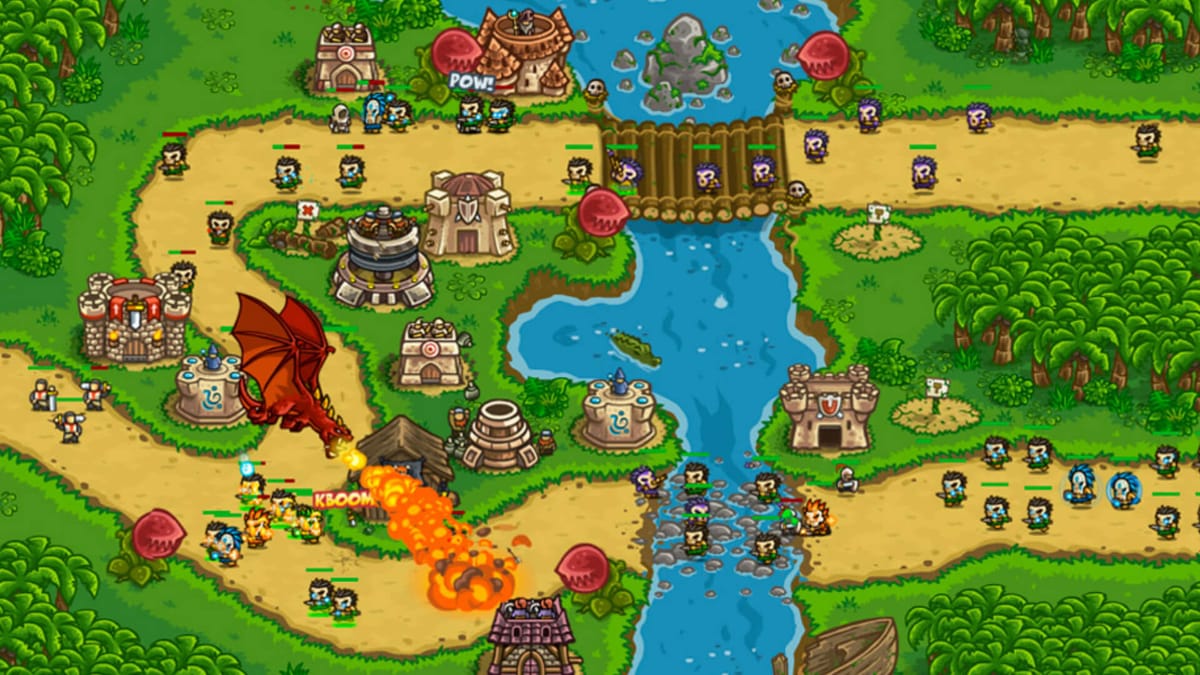
Kingdom Rush Frontiers takes the original's readable lane-control structure and adds more campaign flavor, hero variety, and specialized tower options. Barracks placement, enemy routing, tower roles, and spell timing still drive the defense, but the campaign presents a broader collection of problems.
More does not automatically mean better. Frontiers is more colorful and flexible than the first game, but the original has a slightly purer relationship between map layout and tower placement. That is why Frontiers ranks lower even though many series fans may prefer its variety.
Best for: Kingdom Rush players who want a larger toy box and another polished solo campaign.
Do not pick it if: You have never played the series and want its clearest placement test. Start with the original.
8. Defense Grid 2
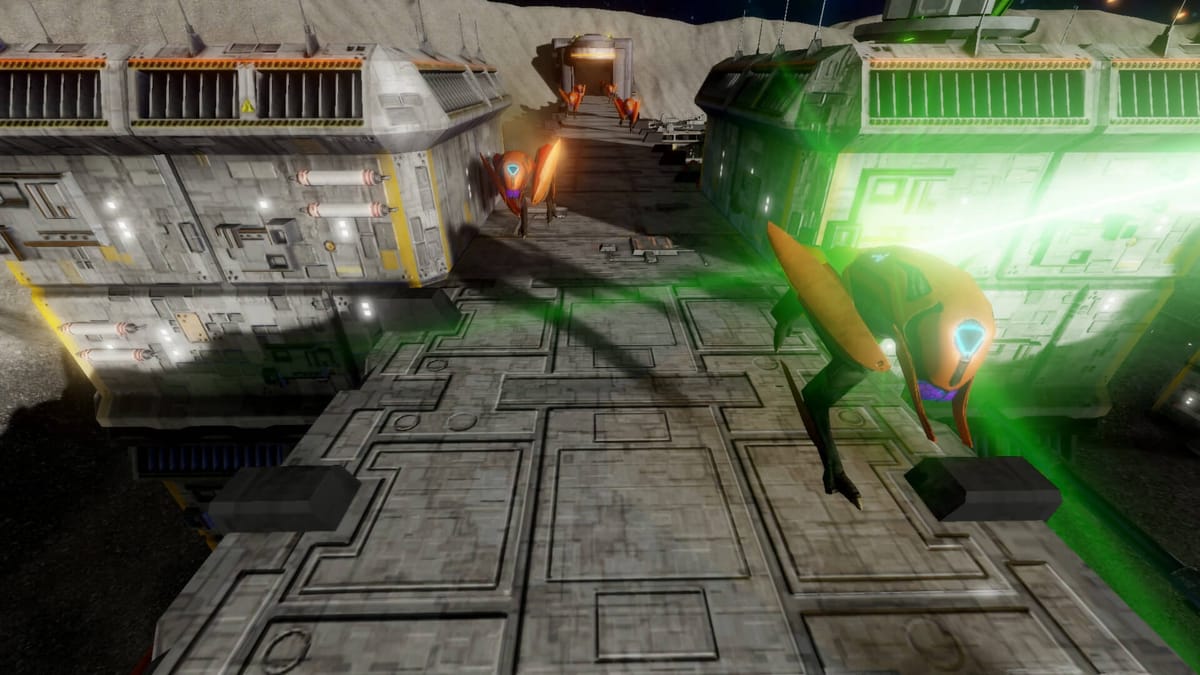
Defense Grid 2 keeps the series' sci-fi route-control identity while adding more maps and a broader campaign structure. You still care about overlapping fire, tower efficiency, and creating enough time-on-target before enemies reach the objective.
Its advantage is variety. Its weakness is that the first Defense Grid has the cleaner classic placement feel. The sequel is a good extension of the idea, but not necessarily the better introduction to it.
Best for: Players who already enjoy Defense Grid and want more geometry-driven maps to solve.
Do not pick it if: You are choosing only one game from the series. The Awakening is the sharper starting point.
9. GemCraft: Chasing Shadows
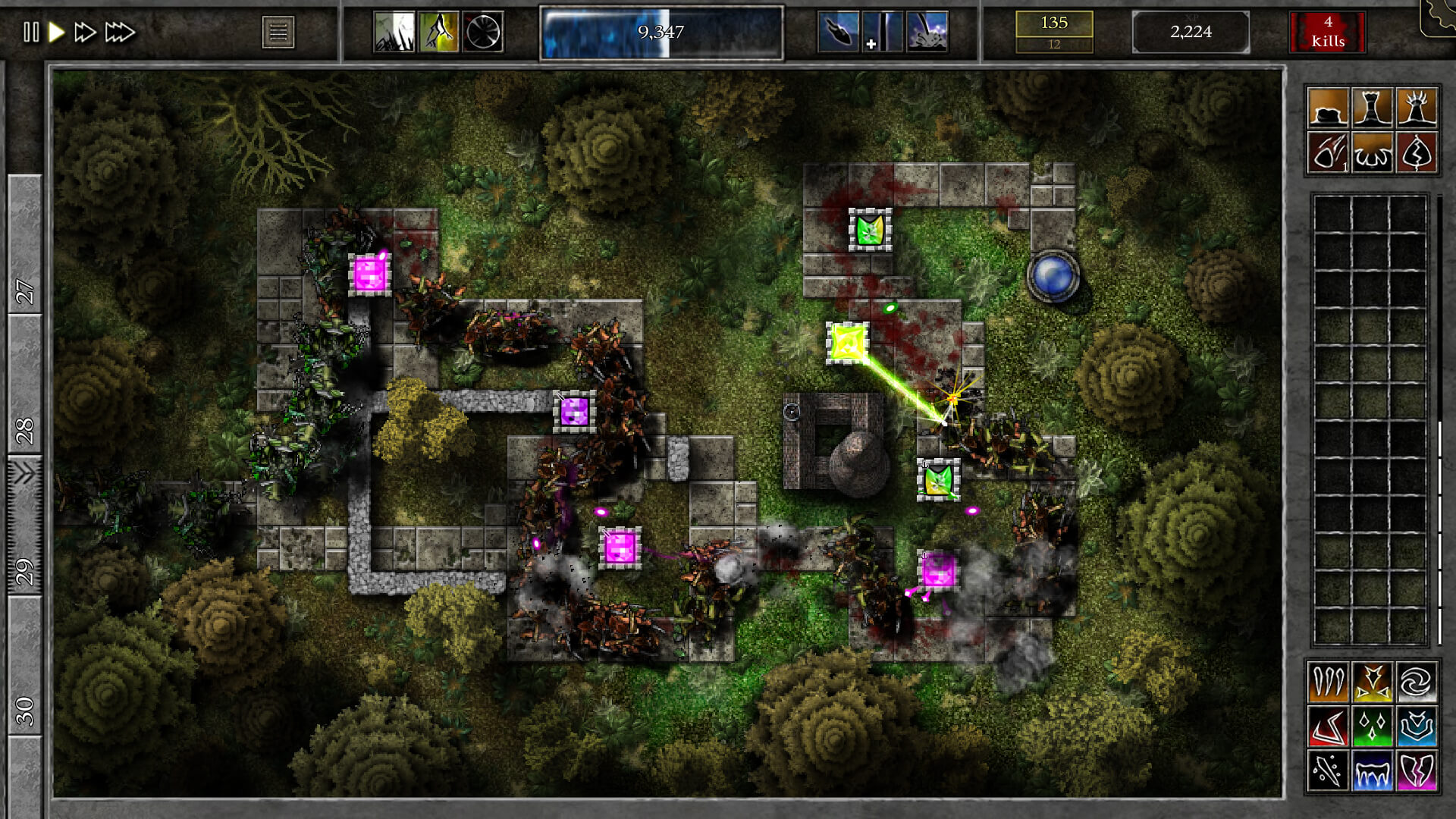
GemCraft: Chasing Shadows offers another deep solo campaign built around gem combining and long-term endurance pressure. You manage power growth, gem placement, and the constant conflict between surviving now and scaling for later.
Its low ranking is about recommendation clarity, not a lack of depth. If you are choosing one GemCraft game today, Frostborn Wrath is the easier modern recommendation. Chasing Shadows makes more sense once you know that you enjoy this specific style of slow, compounding magic defense.
Best for: GemCraft fans who want another large optimization campaign.
Do not pick it if: You are new to the series and only plan to buy one entry.
10. Kingdom Rush Origins
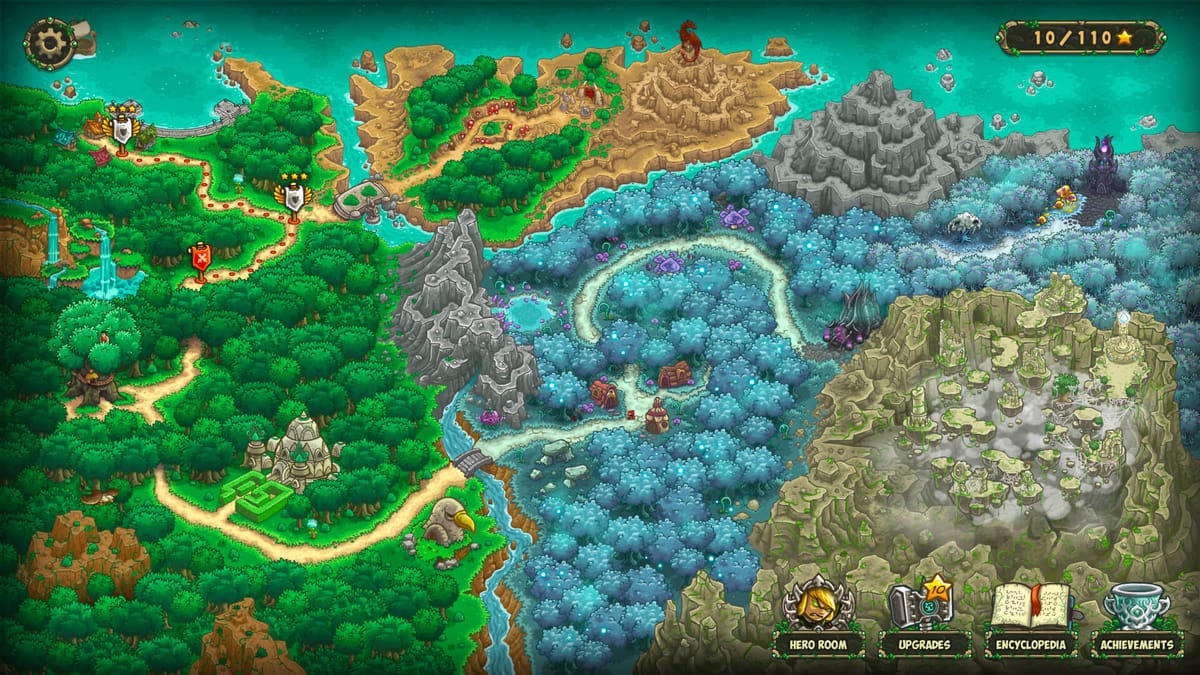
Kingdom Rush Origins refines the familiar formula with a new fantasy setting, another set of heroes, and the same strong map craft. The defensive loop remains reliable: lane control, hero support, tower specialization, upgrades, and tactical spell use.
It ranks last because this list rewards distinct recommendations. The original Kingdom Rush has the cleanest structure, while Frontiers offers the more varied follow-up. Origins is still a polished campaign, but it is easiest to recommend to someone who already knows they want more of the series.
Best for: Existing fans who want another compact fantasy TD campaign for solo play.
Do not pick it if: You are looking for a meaningfully different defense system.
Which one should you play first?
- Pick Kingdom Rush for the best balance of clarity, challenge, and campaign pacing.
- Pick Defense Grid: The Awakening if tower placement and enemy pathing are the whole appeal.
- Pick Bloons TD 6 if you want one game with enough depth to last for years.
- Pick Plants vs. Zombies for short, readable sessions and a gentle learning curve.
- Pick GemCraft: Frostborn Wrath for long endurance runs and layered progression.
- Pick Dungeon Warfare 2 if turning a dungeon into a cruel trap machine sounds more fun than building ordinary towers.
What makes an offline tower defense game good?
Offline play exposes design quality quickly. Without daily rewards, co-op support, or live events, the map has to carry the run.
The strongest offline tower defense games do three things well:
- Openings matter. Weak early towers should create pressure you can feel later.
- Failures remain readable. You should understand whether placement, upgrade timing, lane coverage, or economy caused the leak.
- Replays teach you something. A strong map makes you restart because you noticed a better choke or upgrade order, not because it demands blind grinding.
That is why Kingdom Rush, Defense Grid: The Awakening, and Bloons TD 6 lead this ranking. They solve the offline problem differently, but share the same strength: when the connection disappears, the strategy still holds.