The Most Overrated Tower Defense Games
Famous tower defense games that get recommended too often, where they fall short today, and what to play instead.
Some tower defense games are not bad.
They are just recommended like sacred cows long after the actual defense loop stopped being impressive.
That is what “overrated” means here. Not worthless. Not unplayable. Not historically irrelevant. Overrated means the reputation is bigger than the experience most players are getting today.
A tower defense game can be important and still be the wrong recommendation in 2026. Some games are famous because they came first. Some are famous because people played them when they were younger. Some are famous because the sequel gap gets ignored. And some are not really tower defense games at all, but they keep getting dragged into the conversation anyway.
This list focuses on classic tower defense, base defense, and action-defense hybrids only when there is a real defensive loop: lane control, tower placement, trap usage, wave response, or base survival.
These are the tower defense games that get recommended too broadly, plus better alternatives depending on what you actually want from the genre.
What makes a tower defense game overrated?
Overrated does not mean a game has no value.
It means the recommendation skips too much context.
A game might be a good beginner pick but a weak choice for depth. It might be a classic but not the best place to start now. It might be a fun action game but a bad fit for players who want map control, tower efficiency, choke planning, and wave pressure.
The biggest offenders usually fall into three buckets:
- nostalgia recommendations
- first-mover recommendations
- sequel-gap recommendations
Nostalgia remembers the first time a lane collapsed. It does not always remember the thin upgrade tree, the repetitive pacing, or the better game sitting right next to it.
Plants vs. Zombies
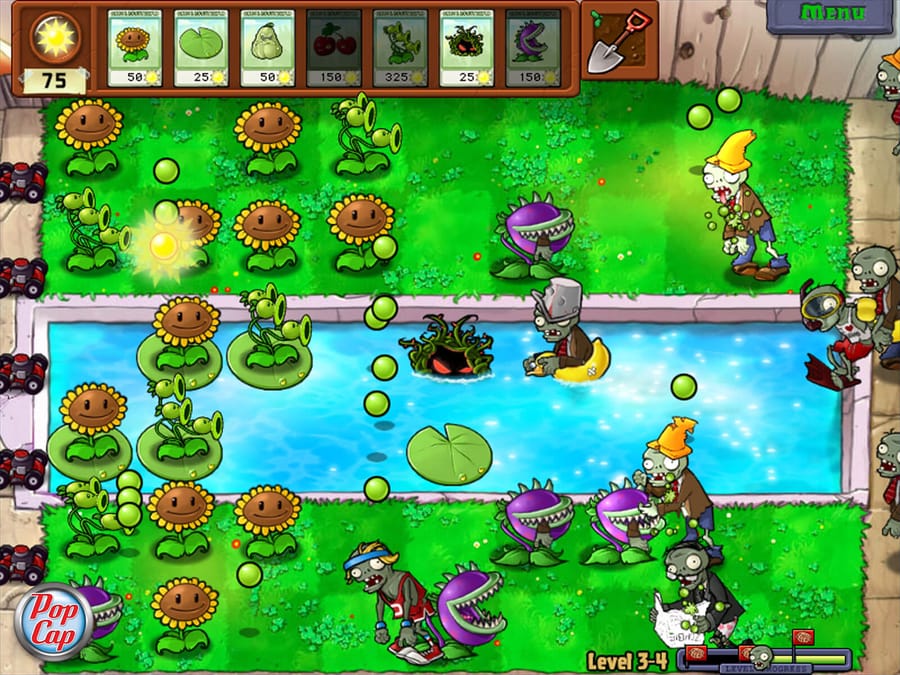
Plants vs. Zombies is one of the most famous tower defense games ever made.
It is also one of the easiest games to over-recommend.
The core loop is clean: read the zombie mix, spend sun carefully, patch weak lanes, and stop the house line from breaking. That clarity still works. The game is readable, charming, and instantly understandable in a way many tower defense games are not.
But that is also the ceiling.
Plants vs. Zombies is an excellent introduction to lane defense. It is not the best answer for players asking for deeper tower defense. The difficulty is light, the lane structure is simple, and the strategic space runs out fast once you want sharper upgrade tradeoffs, stronger choke planning, or maps that punish lazy placement.
It still clicks if you want a relaxed, iconic, low-friction lane defense game.
It disappoints if you came looking for the best modern expression of tower defense depth.
Better swaps:
Bloons TD 6 Kingdom Rush FrontiersBloons TD 6 is the better default if you want upgrade depth, heroes, co-op, and a huge map pool.
Kingdom Rush Frontiers is the cleaner swap if you want compact fantasy lanes with more active pressure.
Bloons TD 5
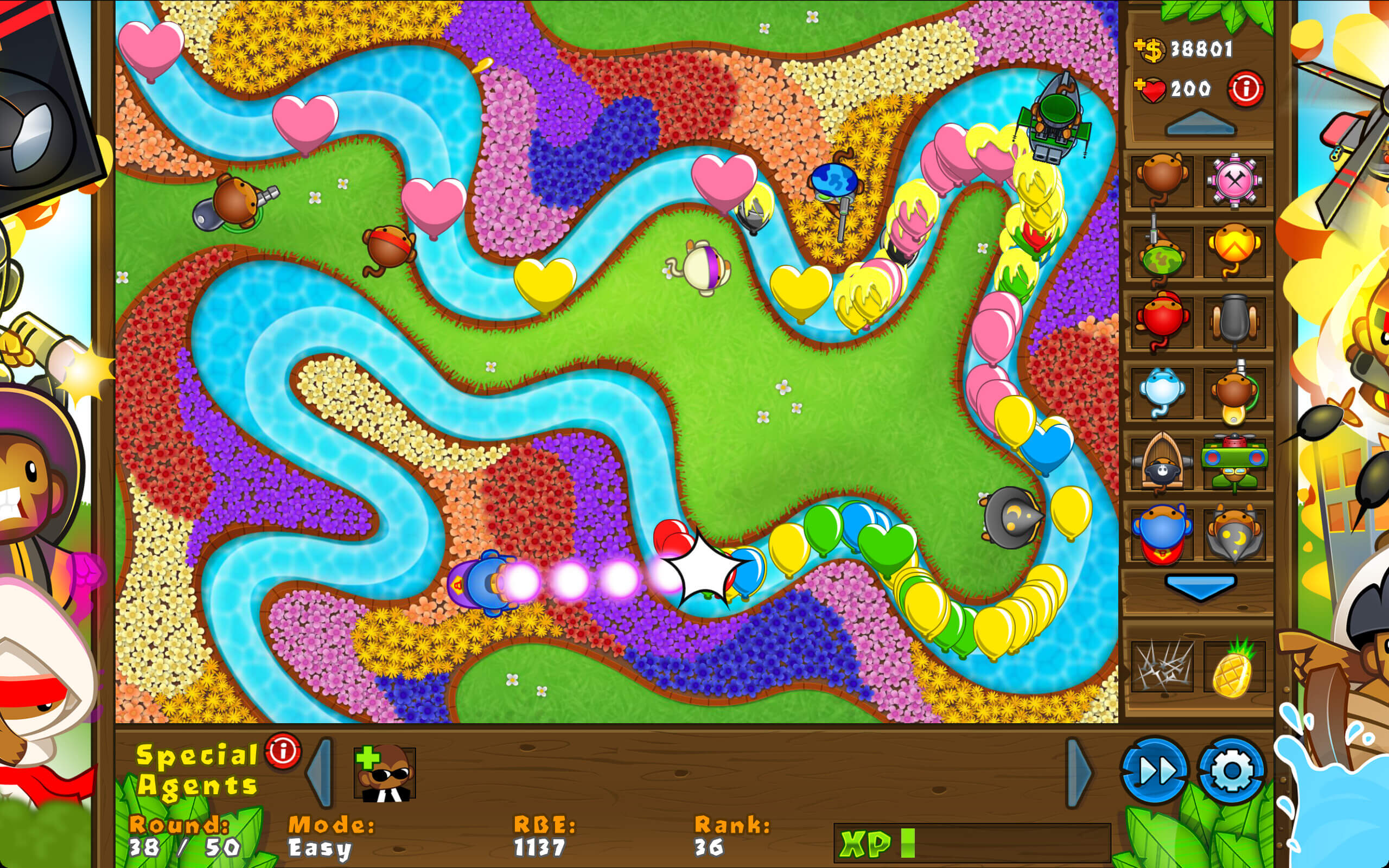
Bloons TD 5 is not overrated because it failed.
It is overrated because Bloons TD 6 exists.
Bloons TD 5 is still a real tower defense game with a lot of content. You place towers, choose upgrade paths, manage economy, and solve escalating bloon waves across many tracks and modes. For a long time, it was one of the easiest recommendations in the genre.
That time passed.
Bloons TD 6 keeps the core appeal and adds more meaningful layers: heroes, deeper upgrade paths, co-op, offline single-player, handcrafted maps, and more interesting long-term progression. Bloons works best when coverage, upgrade timing, and wave-specific answers all compete for the same limited economy. BTD6 simply gives that loop more room to breathe.
Bloons TD 5 still makes sense if you specifically want the older feel or a big classic package.
But recommending it to a new player before Bloons TD 6 is mostly nostalgia.
Better swap:
Bloons TD 6Kingdom Rush
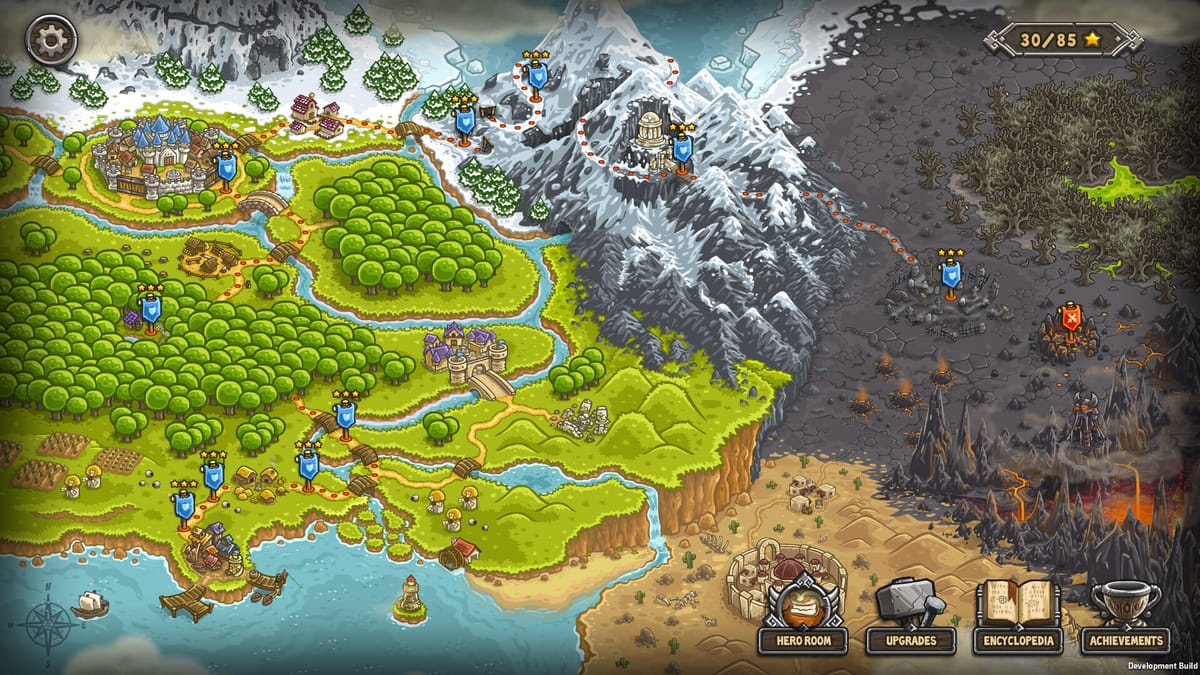
Kingdom Rush earned its reputation.
The problem is that people treat it like the whole conversation.
The original Kingdom Rush is still a strong compact tower defense game. Its maps are tight, its hero abilities matter, and its difficulty curve teaches lane triage well. You are not building huge mazes. You are choosing where a limited set of towers can control the most pressure, then intervening when the wave mix starts breaking through.
That foundation is still good.
But in 2026, recommending the original as the automatic fantasy TD pick ignores the rest of its own series. Later entries add new towers, new heroes, cleaner mechanics, and more variety. Kingdom Rush 5: Alliance TD even changes the structure with dual-hero defense.
The common mistake is confusing “best starting memory” with “best current pick.”
Kingdom Rush is still worth playing if you want the cleanest version of the series foundation. It is less compelling if you want the most varied version of that formula.
Better swaps:
Kingdom Rush Frontiers Kingdom Rush Origins Kingdom Rush 5: Alliance TDPick Kingdom Rush Frontiers if you want a straightforward sequel with new heroes and towers.
Pick Kingdom Rush Origins if you want a smoother version of the classic structure.
Pick Kingdom Rush 5: Alliance TD if dual-hero defense sounds more interesting than replaying the original template.
Defense Grid: The Awakening
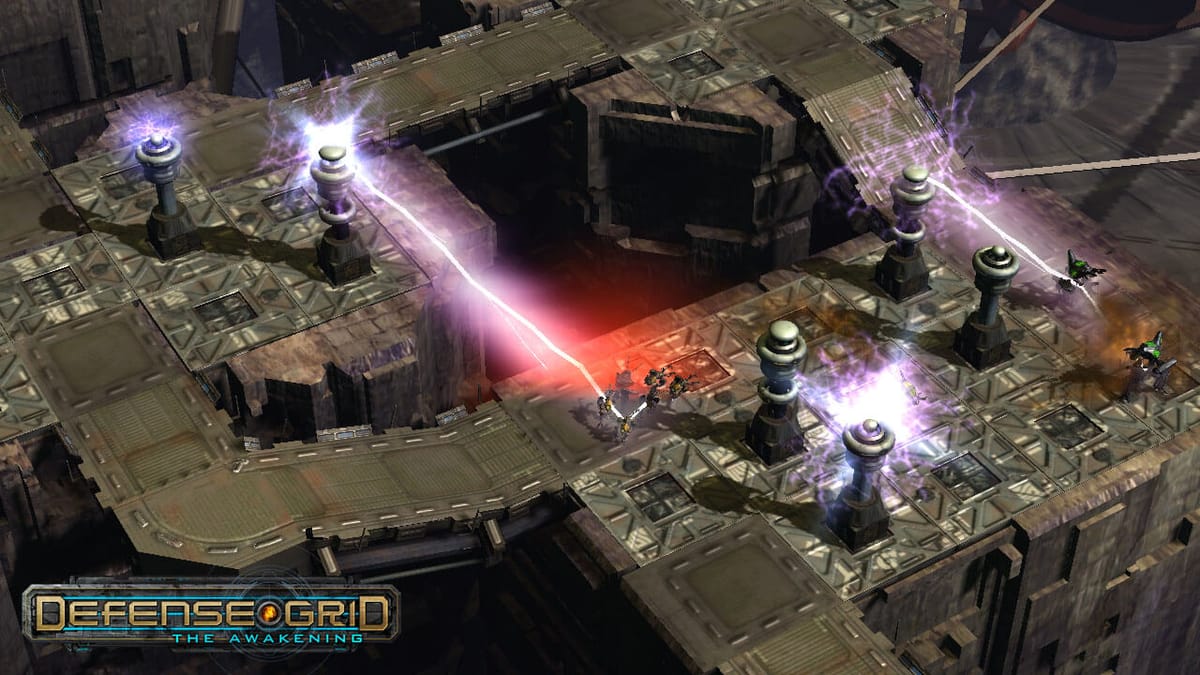
Defense Grid: The Awakening is a classic PC tower defense recommendation.
That is exactly why it is overrated.
Its defensive identity is pure tower placement: sci-fi lanes, efficient builds, careful economy, and clean map control. If you want tower defense without heroes, trap combos, or action combat, it still has value.
But “clean” can also feel sterile.
Defense Grid: The Awakening is often recommended as if it is the definitive classic TD experience. For some players, it will be. For others, it feels more like an important early benchmark than the most exciting tower defense game to play now.
The placement puzzle is real. The issue is that the recommendation often skips the more important question:
Do you want a restrained tower-efficiency game, or do you want a TD game with more variety, pressure systems, and long-term depth?
Better swaps:
Defense Grid 2 GemCraft: Frostborn WrathDefense Grid 2 is the obvious swap if you want the same sci-fi tower defense lineage with more maps and more tools.
GemCraft: Frostborn Wrath is better if what you really want is deep magic tower defense, gem combining, and long endurance pressure.
Dungeon Defenders
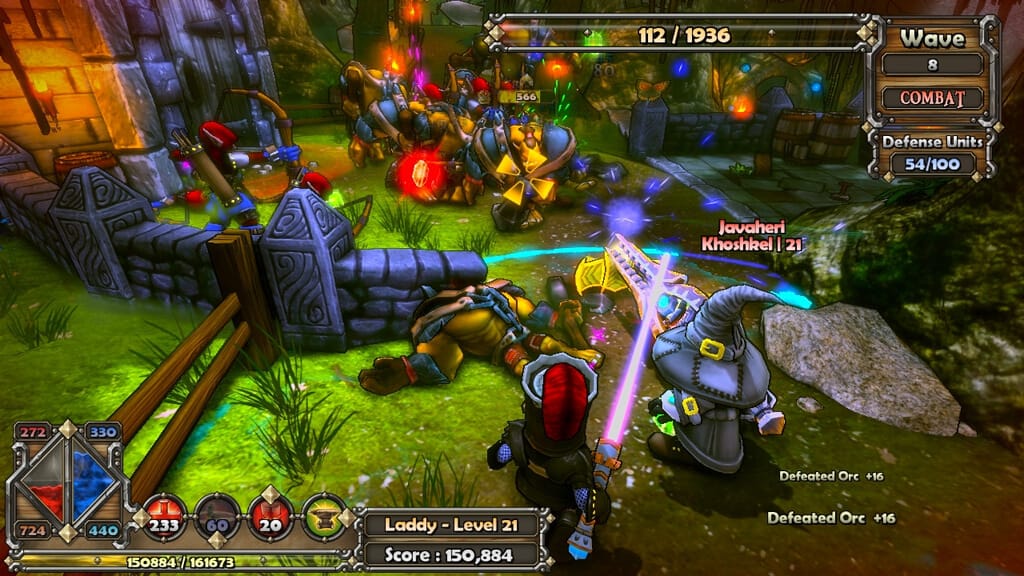
Dungeon Defenders is overrated when people recommend it as a tower defense game first.
Its real identity is action-heavy and hero-driven. Yes, you build defenses. But you are also playing an action RPG hybrid with co-op, hero builds, loot, and direct combat.
That mix can be great. It made defense feel physical. You were not just watching lanes collapse. You were standing inside them.
But that is not the same thing as a clean tower defense puzzle.
If you want map solving, trap timing, tower density, and choke discipline, Dungeon Defenders can feel like it keeps pulling attention away from the defense layer. The hero combat is not decoration. It is a major part of the game.
Dungeon Defenders fits players who want messy, active, RPG-flavored defense.
It is a bad recommendation for someone asking for precise tower defense.
Better swaps:
Orcs Must Die! 2 Orcs Must Die! 3 Defender's Quest: Valley of the ForgottenOrcs Must Die! 2 and Orcs Must Die! 3 are stronger if you want action-defense where traps and killboxes still feel central.
Defender's Quest: Valley of the Forgotten is the better direction if the RPG layer interests you but you still want defense decisions to stay in control.
Sanctum
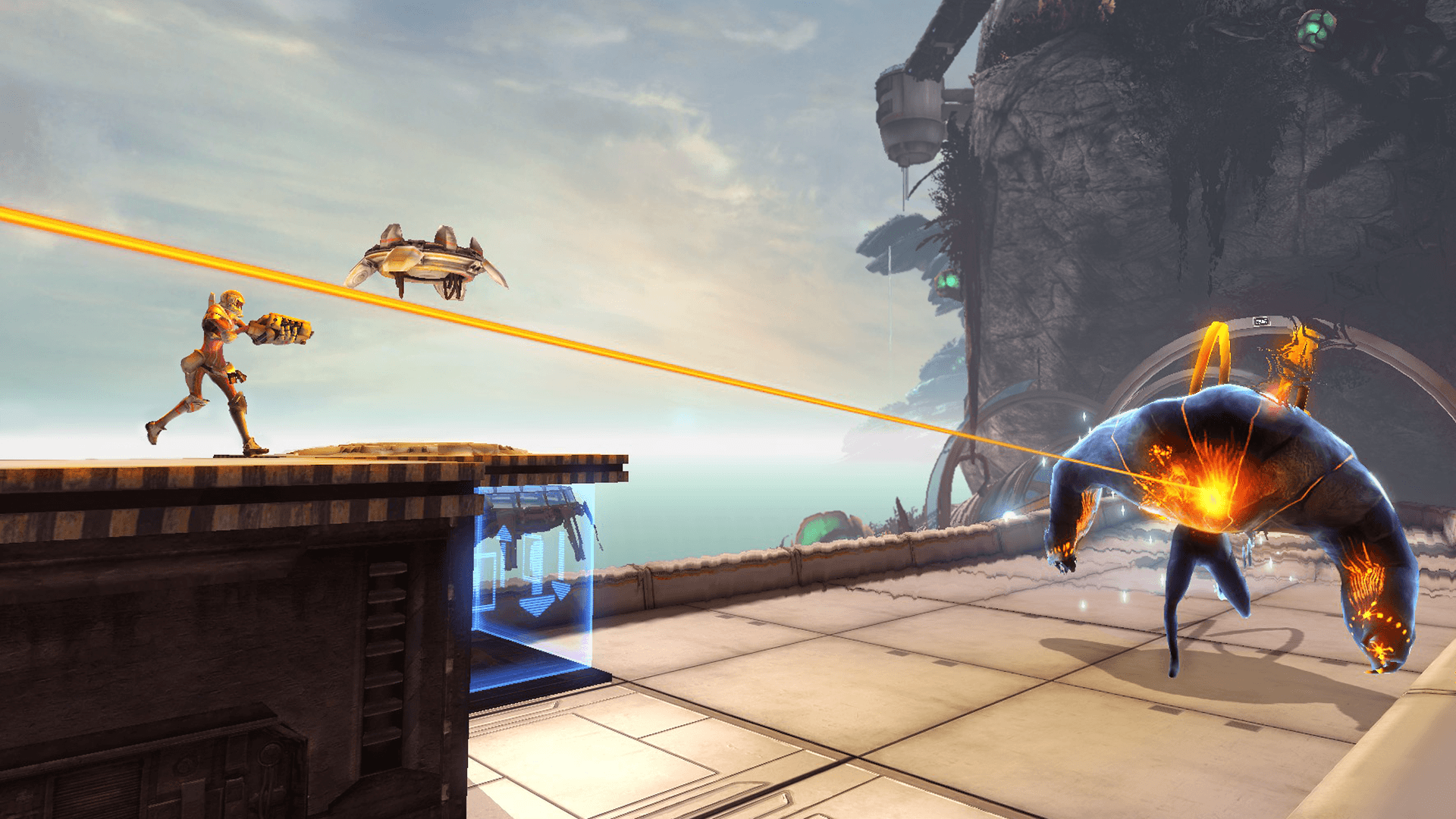
Sanctum gets too much credit for being early.
It helped prove that first-person shooting and tower defense could share the same structure: build towers, shape enemy movement, then fight directly during the wave. That is a legitimate hybrid loop. You manage 3D space, tower coverage, and your own shooting responsibility at the same time.
The problem is that the concept sells better than the feel.
If you want towers to carry the plan, the shooter side can feel intrusive. If you want a shooter, the tower phase can feel like setup friction. Sanctum works best for players who specifically want both halves and accept that neither side behaves like a pure version of itself.
That makes it a narrow recommendation, not a universal one.
Better swaps:
Sanctum 2 X-Morph: Defense Iron BrigadeSanctum 2 is the direct upgrade path if you want first-person tower defense with co-op and 3D placement.
X-Morph: Defense is better if you want a faster top-down action-defense loop.
Iron Brigade is the more distinctive pick if mechs and trench defense sound more appealing than static first-person lanes.
The Battle Cats
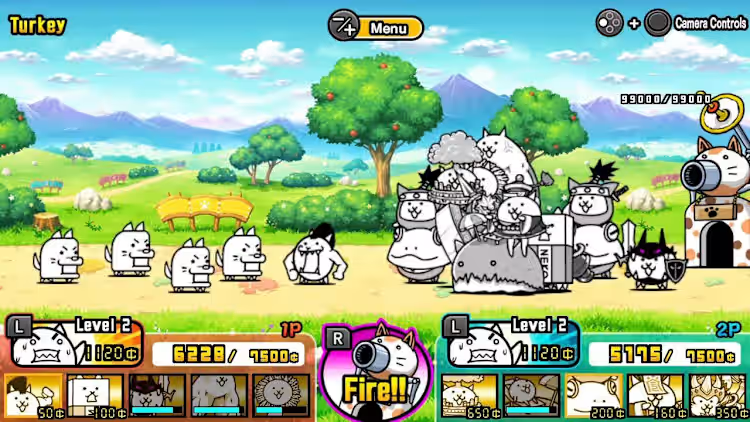
The Battle Cats is only a tower defense recommendation if your definition of tower defense is very loose.
The appeal is obvious: weird units, free-to-play access, and a huge roster of cats pushing lanes into enemy bases. It has charm. It has momentum. It has plenty to unlock.
But it is not a tower placement game in the usual sense.
You are not building chokepoints, shaping tower density, or solving map geometry. You are deploying units into a lane-push structure. That can be fun, but it scratches a different itch.
The main decision layer is unit timing and roster pressure, not stable perimeter control or tower efficiency. The free-to-play structure also matters if you are trying to avoid progression friction.
The Battle Cats fits players who want a strange lane battler.
It misses the mark for players who came for defensive architecture.
Better swaps:
Plants vs. Zombies Legion TD 2Plants vs. Zombies is still the cleaner simple lane-defense pick, even if it is overrated as a best-in-genre answer.
Legion TD 2 is the better fit if lanes and competitive pressure matter more to you than traditional tower placement.
Infinitode 2
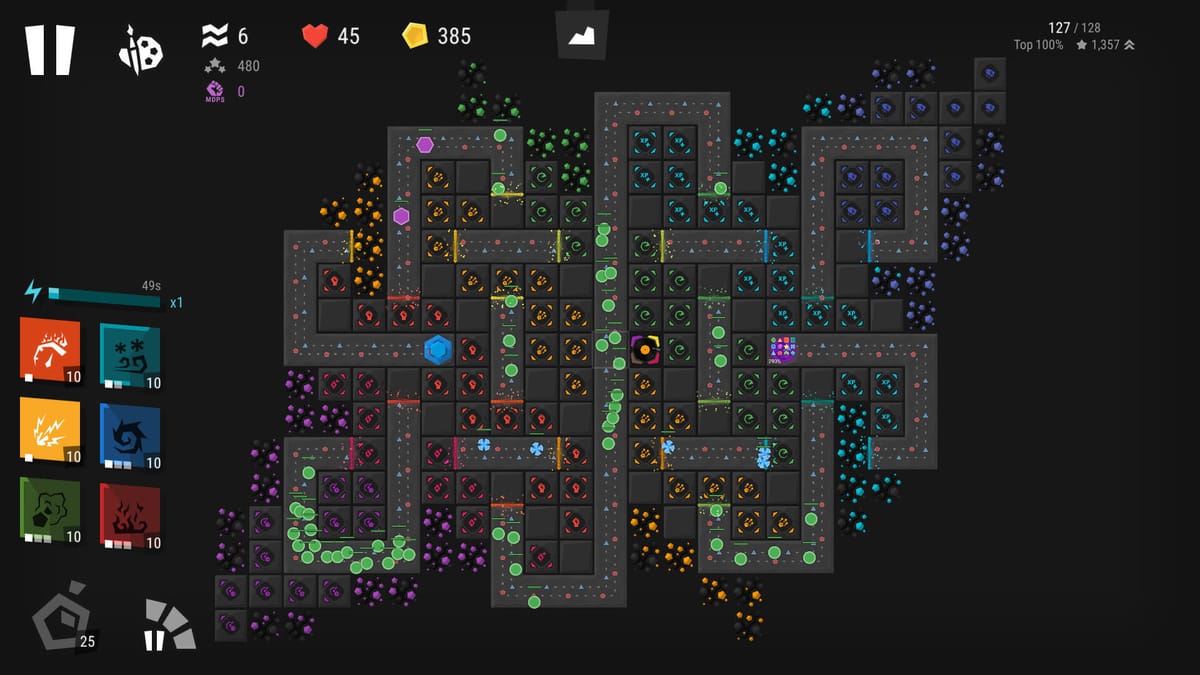
Infinitode 2 is where “endless” gets mistaken for “better.”
The game has real appeal: research trees, custom maps, scaling numbers, and a polished endless TD structure. If you enjoy long-term optimization and squeezing more value out of tower upgrades, it can be satisfying.
But endless structure comes with a tradeoff.
It can blur map identity.
Not every tower defense player wants a game built around research momentum and custom-map longevity. Some want authored pressure: a map that teaches its weak points, a wave that punishes a greedy upgrade, and a collapse that clearly feels like your mistake.
Infinitode 2 is often recommended for the size of its systems more than the sharpness of its individual defense scenarios.
It fits optimization players.
It may not click if you want memorable maps, tight campaign pacing, and handcrafted pressure.
Better swaps:
GemCraft: Frostborn Wrath Bloons TD 6GemCraft: Frostborn Wrath is the stronger endurance pick if you want deep tower defense built around gem combining and long-run pressure.
Bloons TD 6 is the safer pick if you want replayability with clearer handcrafted map structure.
Rogue Tower
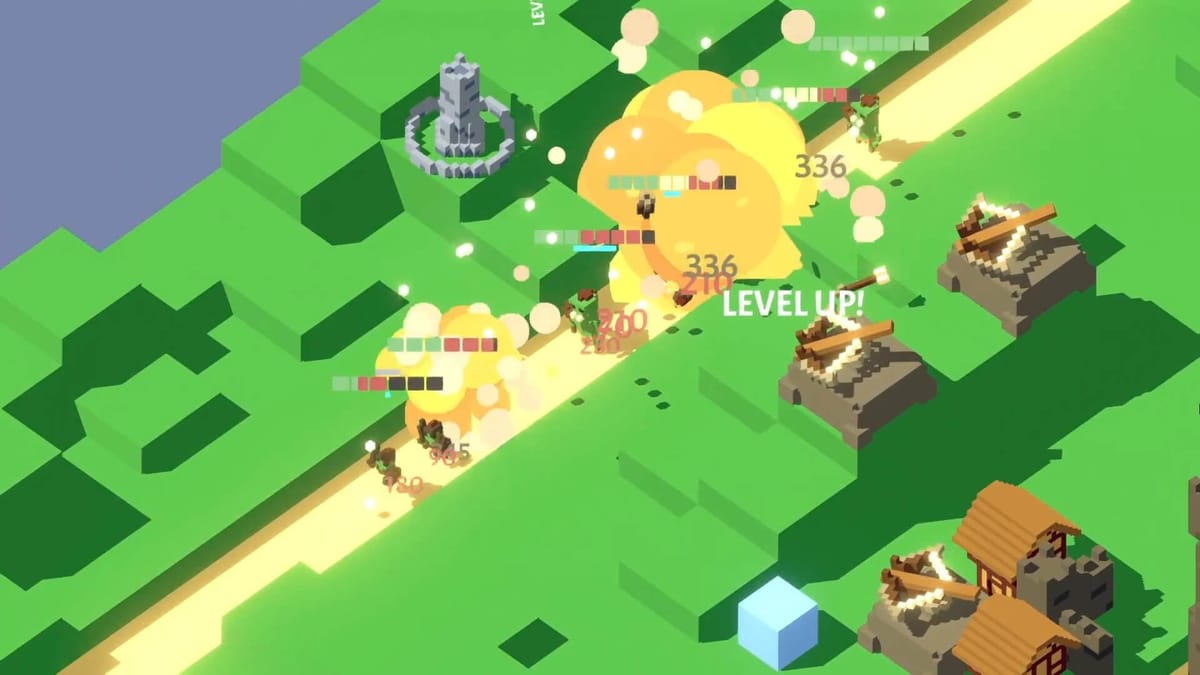
Rogue Tower has a strong hook.
The roguelite label does a lot of the selling.
Procedural paths and meta progression create real tension. You are not placing towers on a solved board. You are adapting to a growing route and trying to keep coverage from falling behind.
That uncertainty is the point.
It is also why Rogue Tower can frustrate classic tower defense players.
A lot of TD fans enjoy losing because they can see exactly where the lane broke. In Rogue Tower, the collapse can feel messier. Sometimes the run bends away from you. Sometimes your options do not line up cleanly. Sometimes the pressure feels less like a tactical mistake and more like procedural momentum.
That does not make Rogue Tower bad.
It makes it less universal than people pretend.
Rogue Tower fits players who want procedural tower defense with meta progression. It is overrated when recommended as the default roguelite TD answer.
Better swaps:
Isle of Arrows EmberwardIsle of Arrows is better if you want tight card-based tile placement and puzzle pressure.
Emberward is the better direction if you want roguelite tower defense with strategic placement and stronger run-to-run variety.
The misfiled recommendations are a separate problem
Some games get pulled into tower defense discussions because they share a name, a wave mode, or a defensive theme.
That does not make them good tower defense recommendations.
Plants vs. Zombies: Garden Warfare 2 and Plants vs. Zombies: Battle for Neighborville are class-based third-person shooters in the Plants vs. Zombies universe. They may be fun for the right player, but they are not answers to “what tower defense game should I play?”
If you want lane control, tower placement, choke management, or wave-based defensive planning, those games are aimed at a different audience.
This matters because genre confusion is one reason players bounce off famous recommendations. A game can have zombies, bases, waves, and defensive objectives and still fail to deliver the tower defense loop you wanted.
Better default recommendations by defensive style
If you want a safer starting point, pick by the kind of defense you actually enjoy.
For classic tower placement with depth:
Bloons TD 6For compact fantasy lane defense:
Kingdom Rush FrontiersFor deep endurance and upgrade optimization:
GemCraft: Frostborn WrathFor trap-heavy action defense:
Orcs Must Die! 3For first-person or shooter-defense hybrids:
Sanctum 2 X-Morph: DefenseFor roguelite tower defense pressure:
Isle of Arrows EmberwardFor base survival and siege pressure rather than classic lanes:
They Are BillionsThe real takeaway
Historical importance is not a buying guide.
Plants vs. Zombies mattered.
Bloons TD 5 mattered.
Kingdom Rush mattered.
Defense Grid: The Awakening mattered.
Dungeon Defenders and Sanctum helped prove that tower defense could survive outside strict top-down lanes.
That does not mean they should be the default answer forever.
If you bounced off one of these games, you probably did not miss some secret layer. You may have been handed a nostalgia recommendation, a first-mover recommendation, or a game that was already surpassed by a better fit.
The better question is not:
“What is the most famous tower defense game?”
It is:
“What kind of defensive pressure do I actually want to manage?”
Once you answer that, the overhyped tower defense games get much easier to avoid.