Games Like Kingdom Rush
The best games like Kingdom Rush if you want readable lanes, hero-supported defense, and fast tactical decisions around chokepoints and wave pressure.
Games Like Kingdom Rush
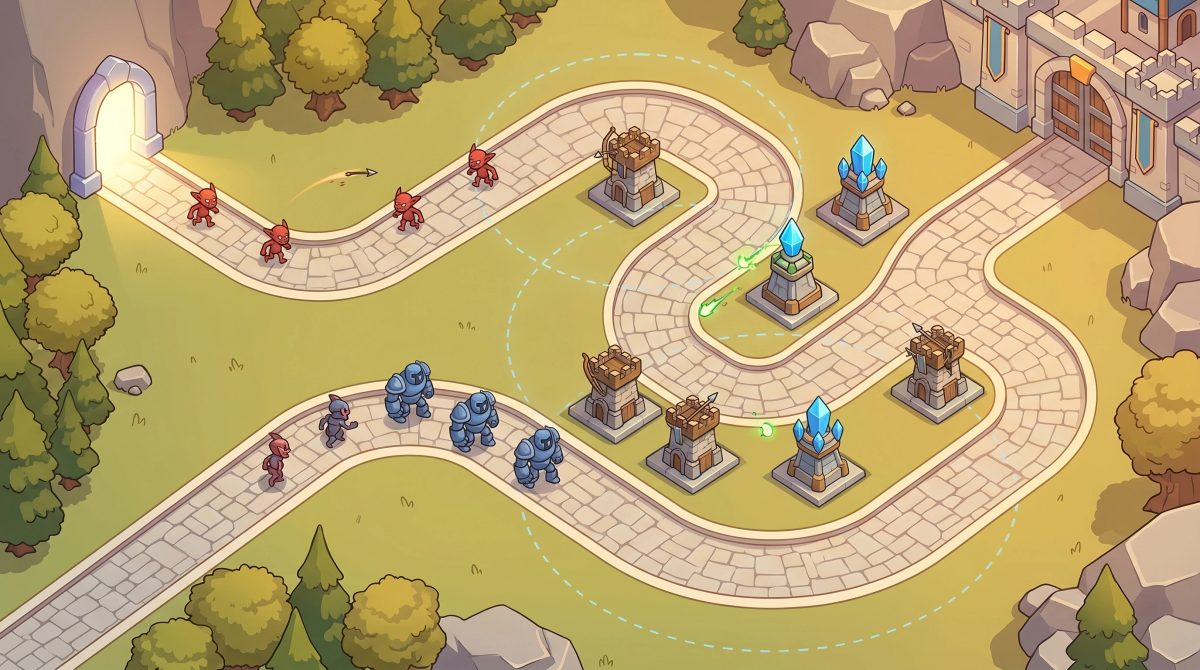
The best games like Kingdom Rush keep the same core pull: readable lanes, distinct tower jobs, fast response windows, and enough hero or active input to make every wave feel hands-on. You are not just building a passive maze. You are holding chokepoints, reacting to pressure spikes, and fixing mistakes before a lane breaks.
This list stays close to that lane-first defense style. These picks are for players who want clean map structure, strong tower placement decisions, and wave handling that stays tactical instead of turning into pure spreadsheet optimization. A few lean more arcade, a few lean more survival-heavy, and a couple push into hybrid action-defense, but all of them keep the hold-the-line loop front and center.
Quick take
- The safest picks for most Kingdom Rush fans are Kingdom Rush Frontiers, Kingdom Rush Origins, and Kingdom Rush 5: Alliance TD.
- Plants vs. Zombies is the simplest lane-defense match here, but its readability and fast counterplay still land.
- Bloons TD 6 and Defense Grid: The Awakening are stronger if you want deeper tower planning and route control.
- Dungeon Warfare 2 and GemCraft: Frostborn Wrath fit players who want denser upgrade systems and harsher wave pressure.
- Dungeon Defenders is the most action-heavy option here, so it works best if you want to fight alongside your defenses.
The 10 picks
Kingdom Rush Frontiers
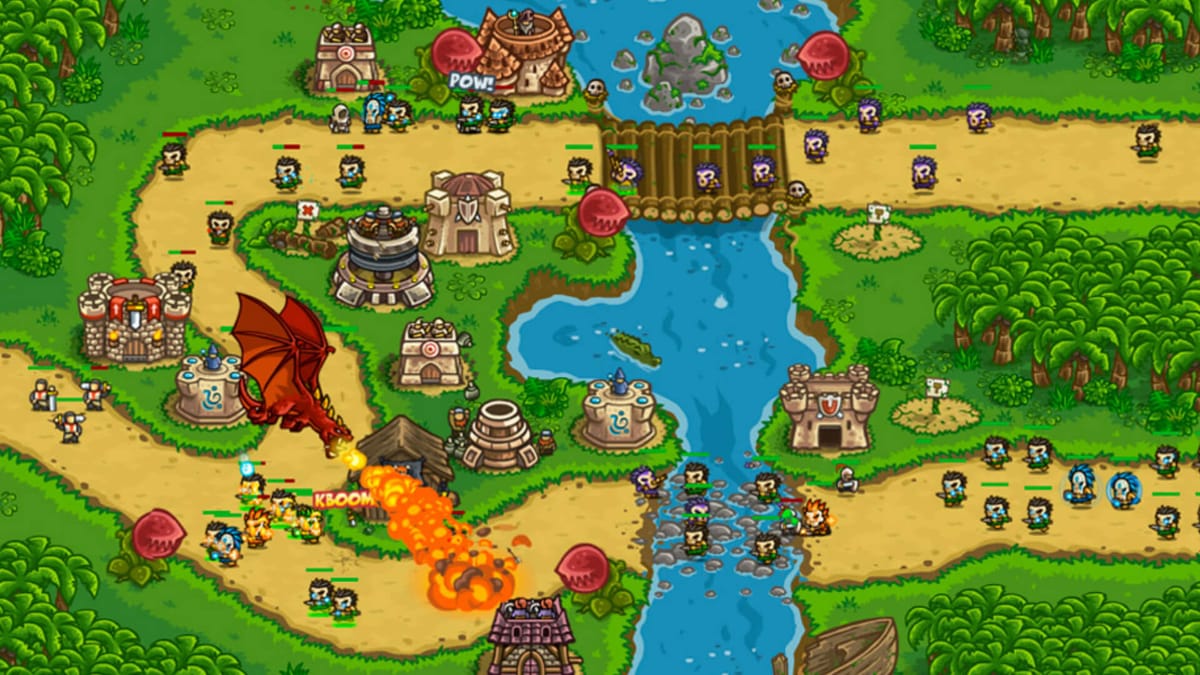
This is the closest direct follow-up because it keeps the exact defensive rhythm Kingdom Rush players usually want. Lanes are easy to read, tower roles are immediately clear, and the hero-supported loop stays fast and reactive. You are still making the same kind of decisions: where to anchor barracks, when to stack artillery, which lane needs emergency hero support, and how to survive mixed waves without overcommitting too early.
Frontiers fits this article better than almost anything else because it preserves the clean lane structure and short decision windows that define the series. It is tactical without becoming slow. It is arcade-friendly without losing the importance of placement. If what you want is more Kingdom Rush with sharper enemy pressure and a familiar hold-the-line feel, start here.
Best for players who loved the balance between tower planning and active intervention. The main tradeoff is obvious: it is more refinement than reinvention. If you are chasing a major systems shake-up, this may feel too close to home.
Kingdom Rush Origins
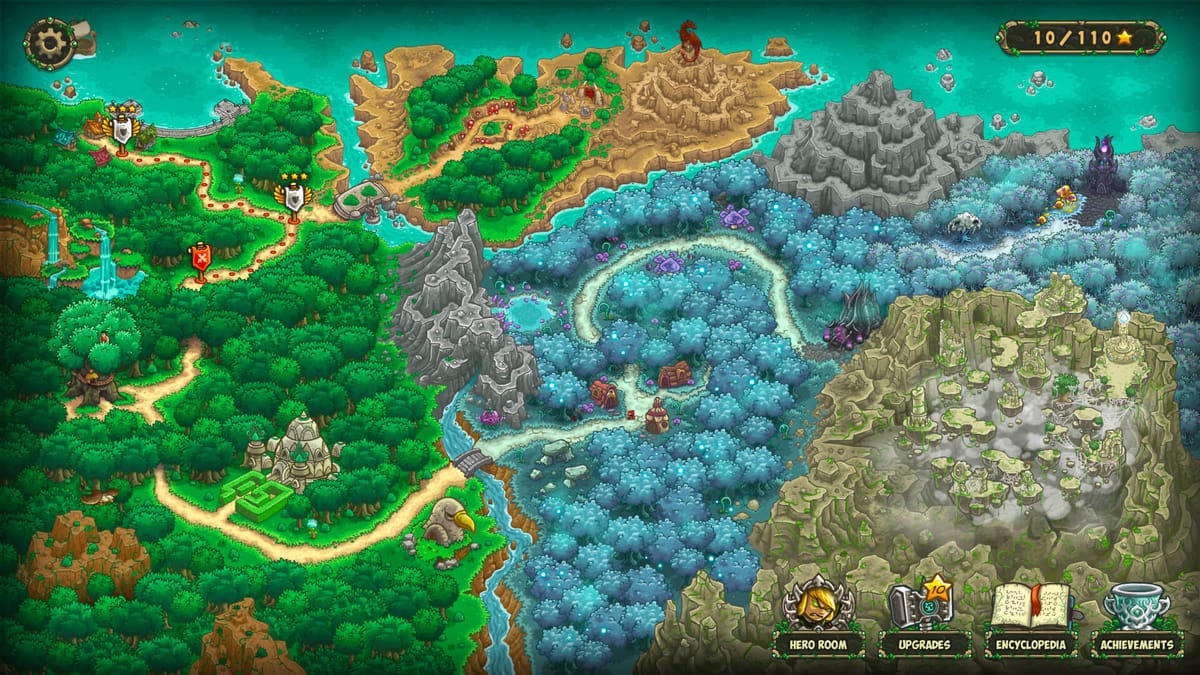
Origins pushes the same lane-defense formula toward faster, flashier pressure management. The maps still read clearly, but the enemy mixes and tower interactions ask for a bit more active adjustment during waves. It keeps the classic tower defense structure intact while leaning harder into tempo and hero support.
Why it fits games like Kingdom Rush is simple: it understands that the appeal is not just towers, but readable combat lines and immediate counterplay. You can still identify a lane problem at a glance and fix it with upgrades, reinforcements, or hero positioning. That makes it a strong match for players who value clean battlefield information over experimental systems.
This one fits players who want a more colorful, slightly more aggressive take on classic lane defense. The tradeoff is that some players prefer the more grounded feel of earlier entries. If you want the purest, most stripped-down expression of Kingdom Rush-style defense, Origins can feel a little busier.
Kingdom Rush 5: Alliance TD
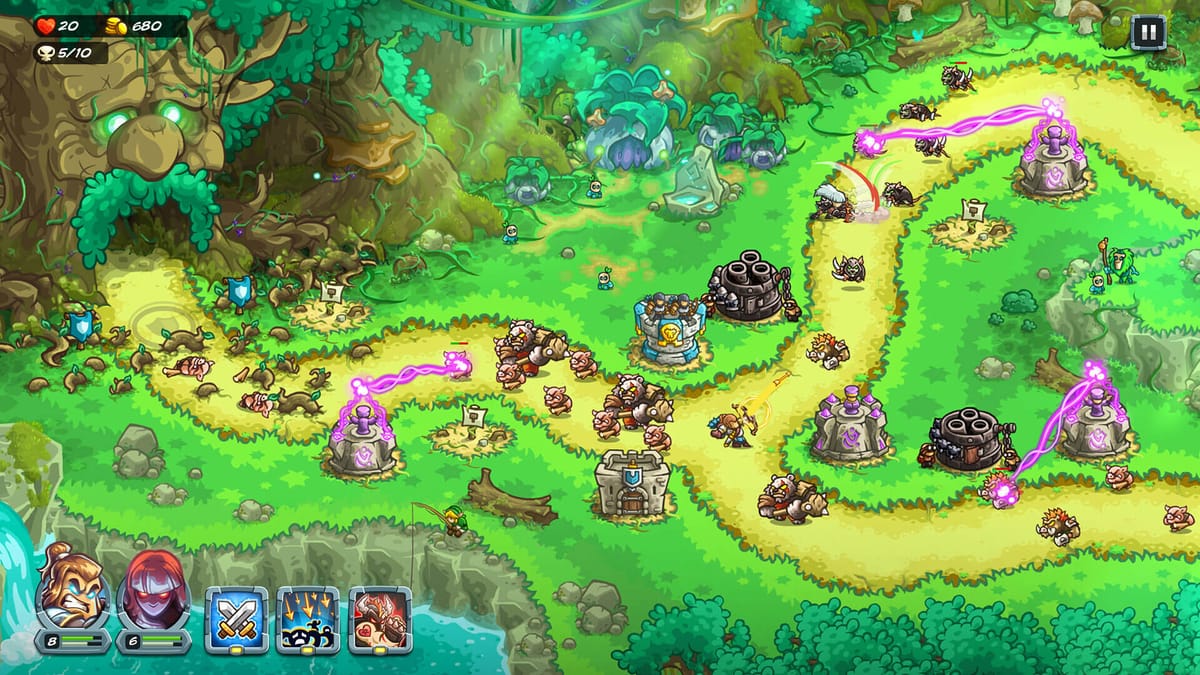
Alliance TD is still lane-first tower defense, but the bigger appeal here is the expanded active-control layer. Dual-hero management changes the pressure curve. You are not just solving lanes with static placements; you are redistributing combat power in real time and plugging leaks with more mobility than usual.
That makes it one of the strongest kingdom rush alternatives for players who loved the hero side of the formula as much as the towers. The maps still rely on chokepoints, upgrade timing, and lane reading, but the defense loop feels more intervention-heavy than older entries. It stays recognizably Kingdom Rush while giving you more direct battlefield influence.
This is the best fit for players who want the same structure with more active decision-making during waves. The tradeoff is that some of the purity of classic tower placement gets diluted by hero involvement. If your favorite part of Kingdom Rush was tight tower economy and static lane planning, this may feel a bit less clean.
Plants vs. Zombies
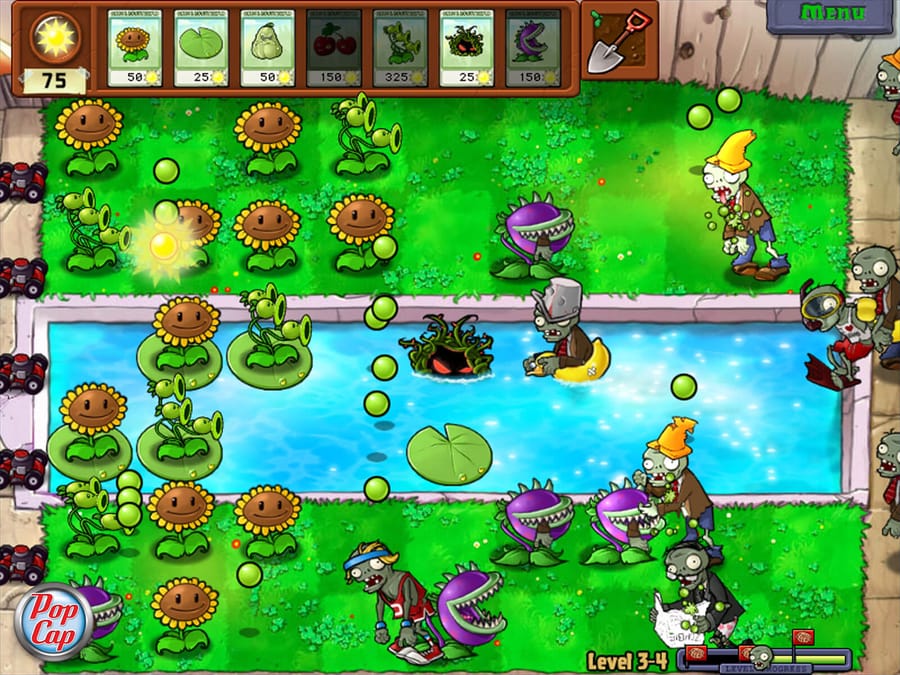
Plants vs. Zombies strips lane defense down to its cleanest form. Five lanes, immediate readability, simple counters, and constant short-term decisions about where to build, stall, or reinforce. It does not use heroes, and it is lighter than Kingdom Rush in upgrade complexity, but the core defense loop is pure: read incoming wave pressure, place the right tool in the right lane, and survive escalating pushes.
It belongs on this list because Kingdom Rush fans often respond to clarity as much as complexity. Plants vs. Zombies has excellent lane readability and very strong positional logic. Every plant has a battlefield role, and bad placements are punished quickly enough that the game stays active instead of passive.
It is best for players who want the most approachable version of lane-based tower defense games like Kingdom Rush. The tradeoff is depth ceiling. If you want layered upgrade paths, hero management, or heavier map-specific planning, this can feel too light.
Bloons TD 6
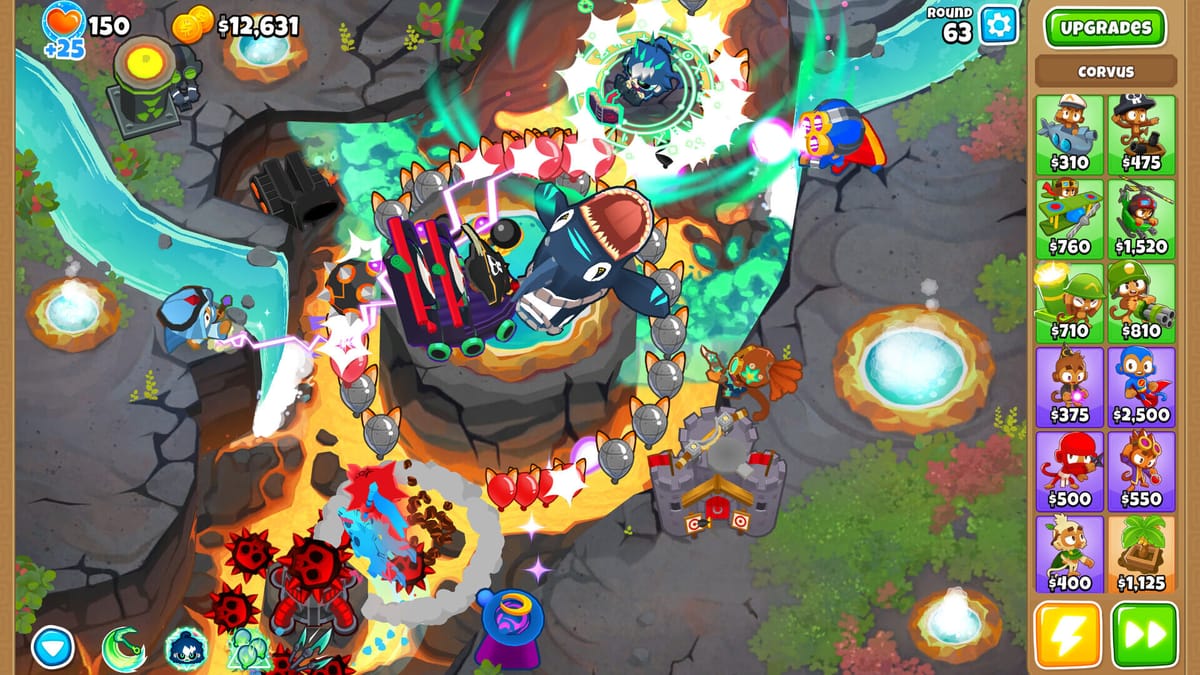
Bloons TD 6 moves away from Kingdom Rush’s hero-forward lane maps and into denser tower planning, but it still fits because route control and wave handling stay central. This is a more systems-heavy classic TD built around path coverage, placement efficiency, upgrade specialization, and map-specific defense geometry.
For Kingdom Rush players, the draw is the same basic satisfaction of locking down routes under wave pressure, just with more optimization depth. The lanes are less character-driven and more about tower range overlap, damage typing, and upgrade timing. You still get active tools and heroes, but the overall feel is more tactical-builder than arcade responder.
Pick this if you want to stay in classic tower defense while adding more complexity to placement and progression. Skip it if your favorite part of Kingdom Rush was the immediate readability of each lane and the fast, almost puzzle-like clarity of tower jobs. Bloons can get busier and more optimization-heavy than some players want.
Defense Grid: The Awakening
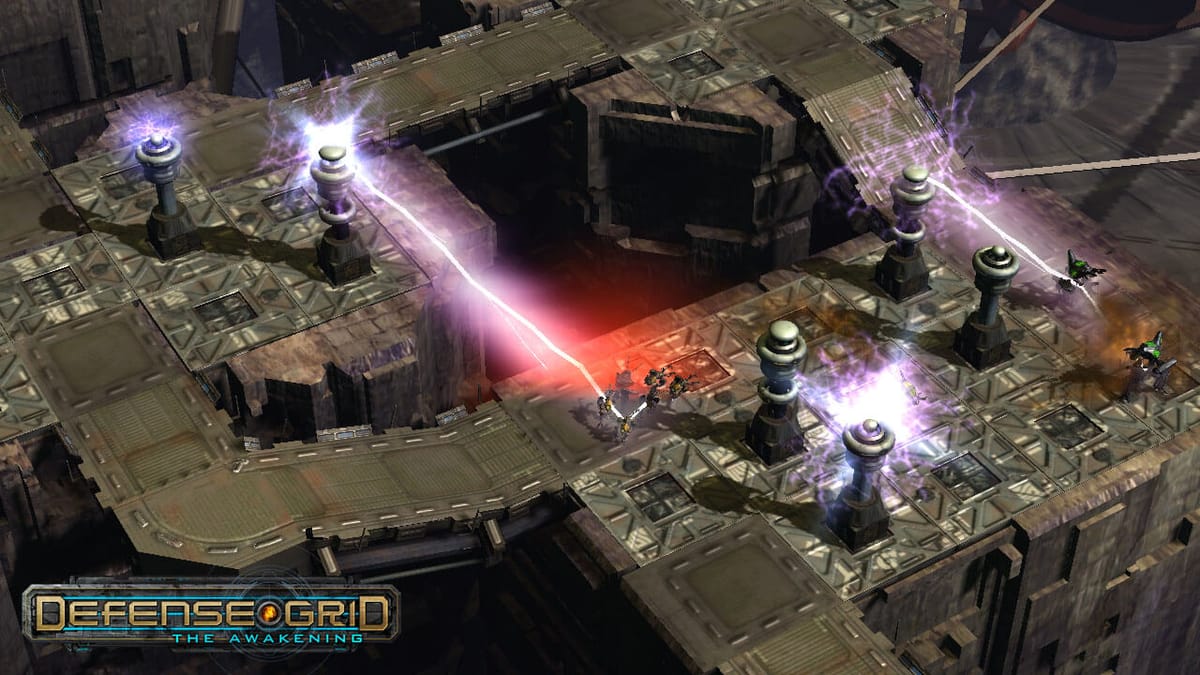
Defense Grid is for players who care most about route control. Compared to Kingdom Rush, it is less about hero support and more about precision tower placement along fixed paths. The loop is pure classic tower defense: create efficient kill zones, maximize coverage, and shape how waves move through your defenses.
It fits this article because it nails the lane-planning side of the genre. Every tower placement matters, and map readability is strong enough that failures usually point back to a clear tactical mistake. If Kingdom Rush gave you the urge to tighten your fundamentals—range overlap, chokepoint control, upgrade timing—Defense Grid scratches that exact itch.
This is best for the player who wants a more tactical, less cartoon-chaotic version of lane defense. The tradeoff is reduced personality in the active defense loop. Without the same hero-driven intervention, it can feel cooler and more methodical than Kingdom Rush fans may expect.
Dungeon Warfare 2
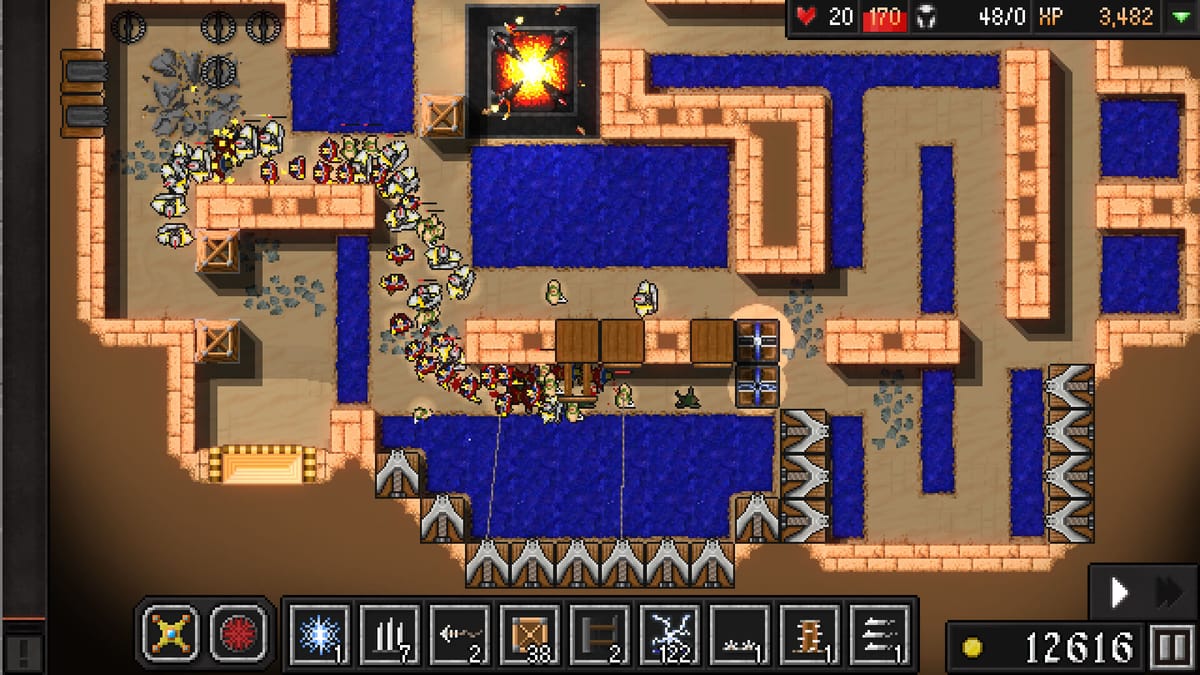
Dungeon Warfare 2 takes the hold-the-line idea and makes traps the center of the defense plan. Instead of relying on classic roadside towers, you build layered kill rooms, forced movement setups, and brutal chokepoints that punish enemies as they push through your stronghold. It is still lane and wave defense, but the feel is more trap-heavy and more mechanical.
That trap focus makes it a strong mid-list recommendation rather than a top one. It absolutely fits players who love defensive planning, route denial, and map control, but it is not trying to mirror Kingdom Rush’s readable tower roster or hero rhythm. The fun here comes from building a system that shreds waves through positioning and interaction chains.
Play this if you enjoy turning a map into a controlled death funnel. The reason it may not click is tone and structure: it is harsher, denser, and more systems-driven than Kingdom Rush’s faster arcade flow.
GemCraft: Frostborn Wrath
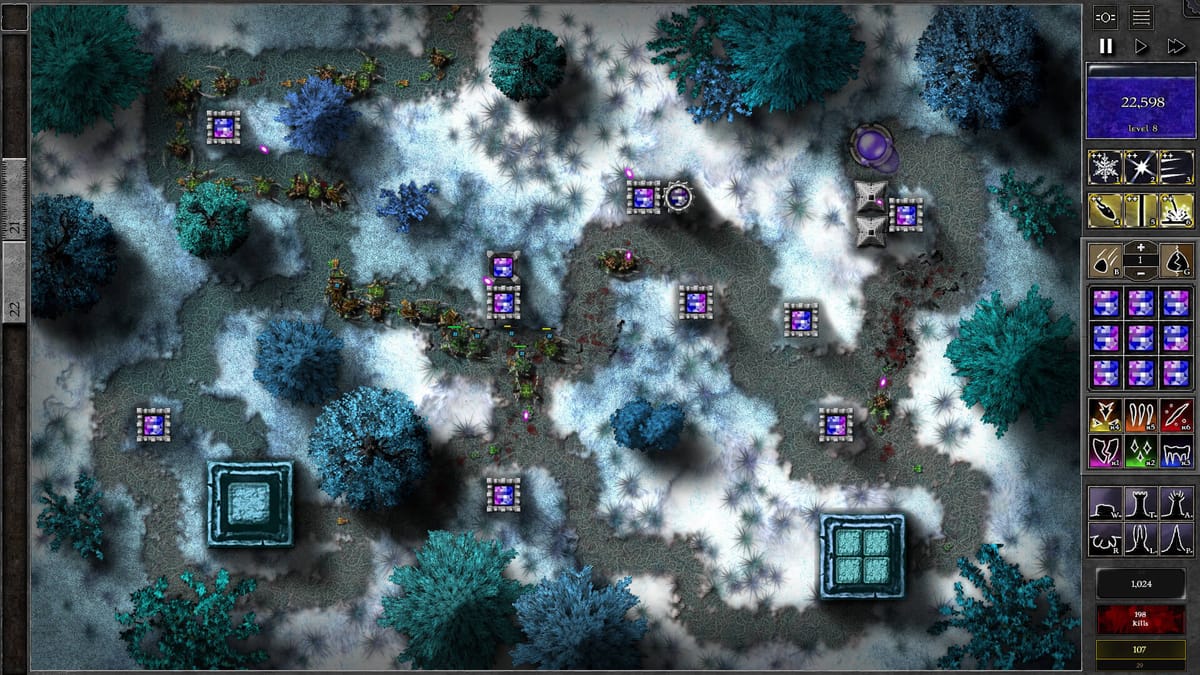
GemCraft: Frostborn Wrath is the survival-heavy end of this list. The defense loop revolves around building towers, amplifying them with gems, and managing sustained wave pressure over maps that ask for long-term scaling rather than just short-term lane patching. It is still firmly in tower defense, but the pacing leans more toward defense endurance and build depth.
It fits because it still cares about route control, tower placement, and surviving escalating pressure across structured paths. The difference is that Kingdom Rush players coming here should expect a heavier upgrade and stat-management layer. This is less about quick hero interventions and more about constructing a defense engine that can keep up as siege pressure stacks.
Best for players who wanted Kingdom Rush to be deeper, grindier, and more survival-focused. The tradeoff is readability. GemCraft can feel less clean and more numbers-driven than the breezy lane clarity that makes Kingdom Rush so easy to love.
Defender's Quest: Valley of the Forgotten
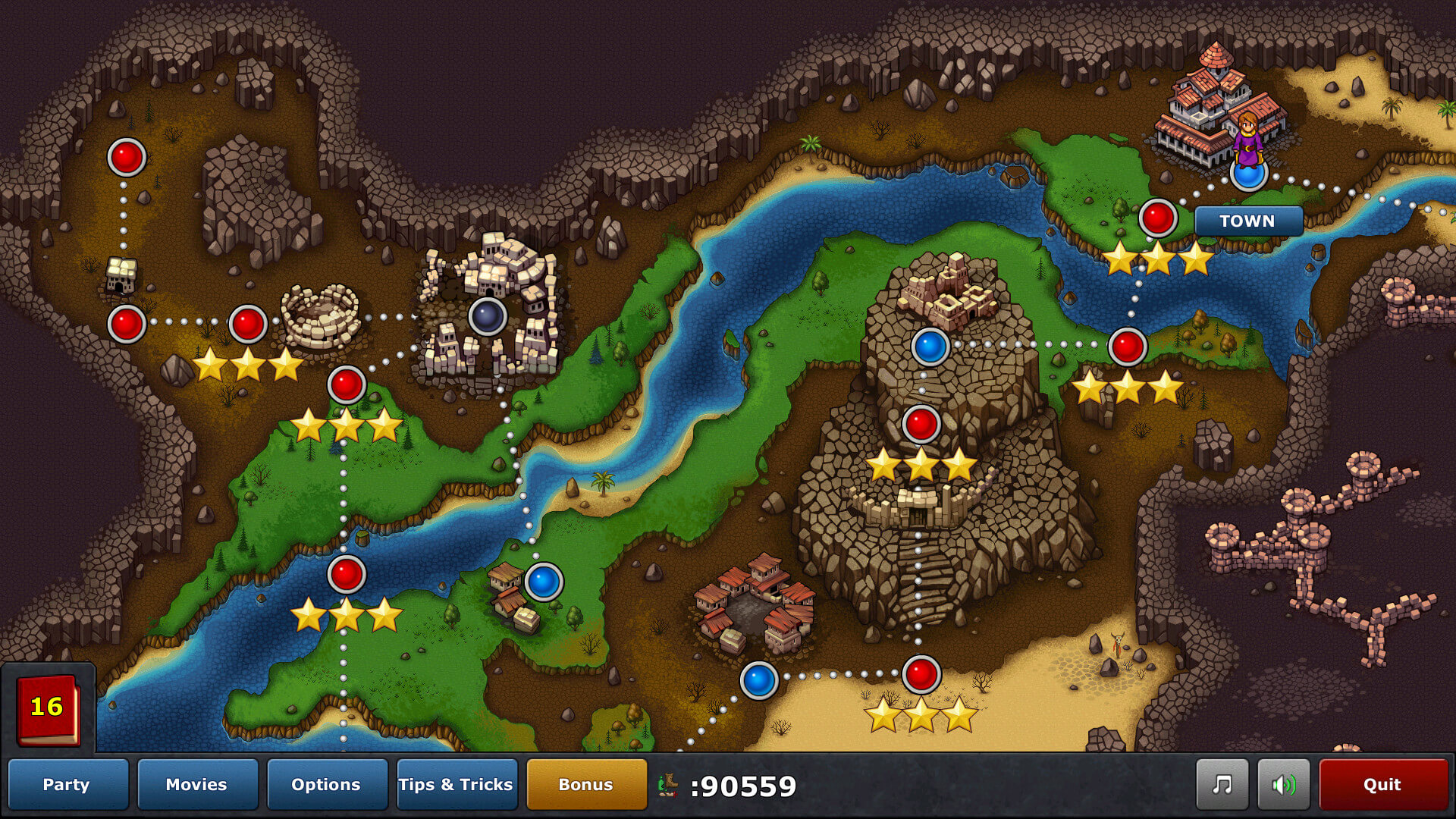
This one blends lane defense with RPG party management, but the hold-the-line structure is real. Units are placed along lanes to intercept incoming waves, and the key decisions are still about coverage, choke control, and reinforcing the right point before enemy pressure snowballs. It is a hybrid, but it remains defense-first.
Why it belongs here: it preserves the core satisfaction of reading a battlefield and allocating defensive power where it matters most. For Kingdom Rush fans, the appeal is the same constant triage—what lane breaks first, where do you invest now, and which position keeps the whole line stable? It just expresses that through characters instead of traditional towers.
This fits players who like progression, party building, and a more character-based defensive loop. The tradeoff is obvious if you want pure classic tower defense. It does not deliver the same clean tower taxonomy or instant visual simplicity as Kingdom Rush.
Dungeon Defenders
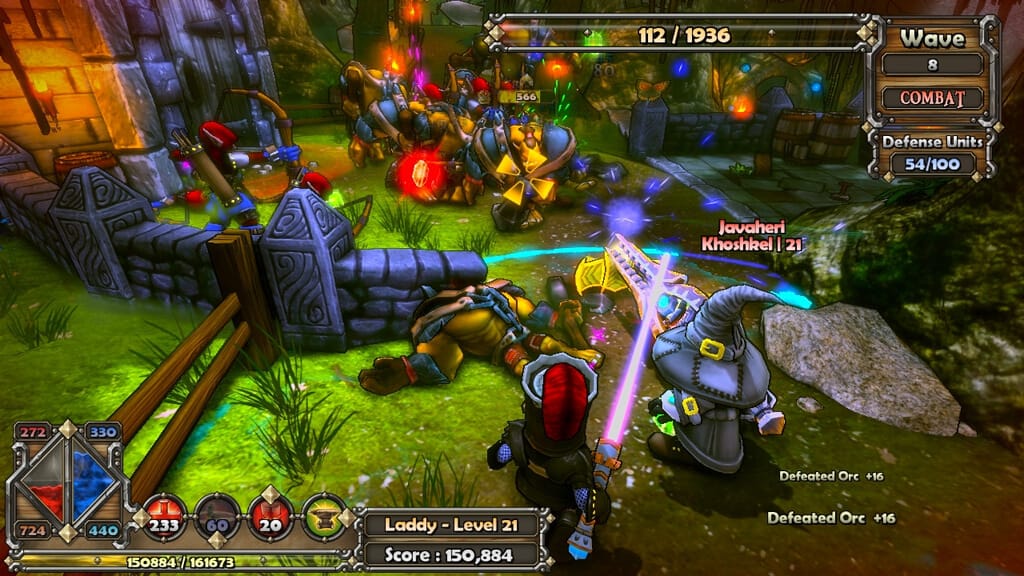
Dungeon Defenders is the furthest edge of the list, but it still earns its place because the defense loop stays tied to lanes, crystals, choke coverage, and wave survival. You build towers and traps before and between waves, then jump into direct combat to support the defense during pressure spikes. That makes it a true hybrid action-defense pick, not a pure classic tower defense match.
For Kingdom Rush players, this is the recommendation when the active part of the formula matters most. If you always liked dropping reinforcements, moving heroes, and personally saving weak lanes, Dungeon Defenders expands that instinct into full action play. You are still solving base defense problems. You are just doing it with much more hands-on involvement.
Best for players who want towers plus direct combat instead of towers alone. The tradeoff is that it is less structured and less readable than classic lane-first TDs. If you want clean maps and constant top-down planning, this may feel too action-heavy.
Which type of player will enjoy these most
Players who click with these games usually want one of three things.
First, the lane reader. This player wants clear routes, obvious chokepoints, and towers with specific jobs. They usually land hardest on Kingdom Rush Frontiers, Kingdom Rush Origins, Plants vs. Zombies, and Defense Grid: The Awakening.
Second, the active defender. This player likes handling wave pressure directly instead of watching a solved defense run itself. They should start with Kingdom Rush 5: Alliance TD or Dungeon Defenders, where direct intervention matters more.
Third, the systems optimizer. This player still wants a hold-the-line structure, but with more upgrade depth, route efficiency, or survival scaling. Bloons TD 6, Dungeon Warfare 2, and GemCraft: Frostborn Wrath are the better fit there.
What matters most when picking your next game
The biggest choice is not theme. It is how much structure versus chaos you want in the defense loop.
If you want the same clean feeling as games like Kingdom Rush, stay with games that keep lanes readable and tower roles obvious. That means Frontiers, Origins, Plants vs. Zombies, and Defense Grid. These games let you glance at a map and understand where pressure is building.
If you want more to do during waves, lean toward hero-heavy or hybrid picks. Alliance TD and Dungeon Defenders ask for more active saves and more on-the-fly correction.
If you want a deeper planning layer, choose the games where placement efficiency and scaling matter more than moment-to-moment readability. That is where Bloons TD 6, Dungeon Warfare 2, and GemCraft make more sense.
A common mistake is chasing “more content” when what you actually want is the same defensive tempo. Kingdom Rush works because decisions come fast, lanes stay legible, and each tower has a clear battlefield purpose. Keep that in mind, and your next pick gets easier.
FAQ
What is the closest game to Kingdom Rush?
Kingdom Rush Frontiers is the closest overall match. It keeps the same lane structure, tower identity, hero support, and fast wave-response pacing that most players are looking for.
Are there any simpler games like Kingdom Rush?
Yes. Plants vs. Zombies is the simplest recommendation here. It is lighter on upgrades and hero control, but its lane defense is extremely readable and still built around clean counterplay.
Which pick is best if I want deeper strategy than Kingdom Rush?
Bloons TD 6 is the best step up if you want more upgrade depth and more demanding tower placement decisions. Defense Grid: The Awakening is also strong if your priority is route control and tactical efficiency.
Which of these are more action-heavy?
Dungeon Defenders is the most action-heavy by far. Kingdom Rush 5: Alliance TD also leans more active than older Kingdom Rush entries because hero involvement has more impact on wave management.
What should I play if I like traps and chokepoints more than heroes?
Go with Dungeon Warfare 2. It is the most trap-focused game on this list and does a great job turning map geometry and forced movement into the core defense plan.
Takeaway
The best games like Kingdom Rush are the ones that keep lane pressure readable and decisions immediate. Start with Kingdom Rush Frontiers or Kingdom Rush Origins if you want the closest fit, then move toward Bloons TD 6, Defense Grid, or Dungeon Warfare 2 depending on whether you want more depth, cleaner route control, or more brutal chokepoint defense.