Best Tower Defense Games on Steam Deck
The best tower defense games on Steam Deck if you want readable controls, stable performance, and sessions that work well on handheld.

Best Tower Defense Games on Steam Deck
The best tower defense games steam deck players should start with are the ones that keep lane control, tower placement, and wave reading clean on a small screen. Handheld play changes the equation. A great desktop TD can feel cramped, fiddly, or visually muddy on Steam Deck if the UI fights you.
This list stays focused on classic tower defense and lane-first defense loops. These picks work because the maps stay readable, the upgrade flow makes sense in shorter sessions, and the pressure comes from routing, choke coverage, and wave planning rather than awkward micromanagement.
Quick take
- Bloons TD 6 is the safest all-around pick for Steam Deck: readable, responsive, and excellent in short or long runs.
- Plants vs. Zombies and Kingdom Rush are the easiest games here to read at a glance on handheld.
- Rogue Tower and Infinitode 2 are better for players who want denser planning and stronger route-control decisions.
- Dungeon Warfare 2 is the best trap-heavy choice if you want lane killboxes instead of traditional tower-only defense.
- Defense Grid: The Awakening and Defense Grid 2 are still elite for pure lane structure, but they ask for more deliberate placement and map reading.
The 10 picks
Bloons TD 6
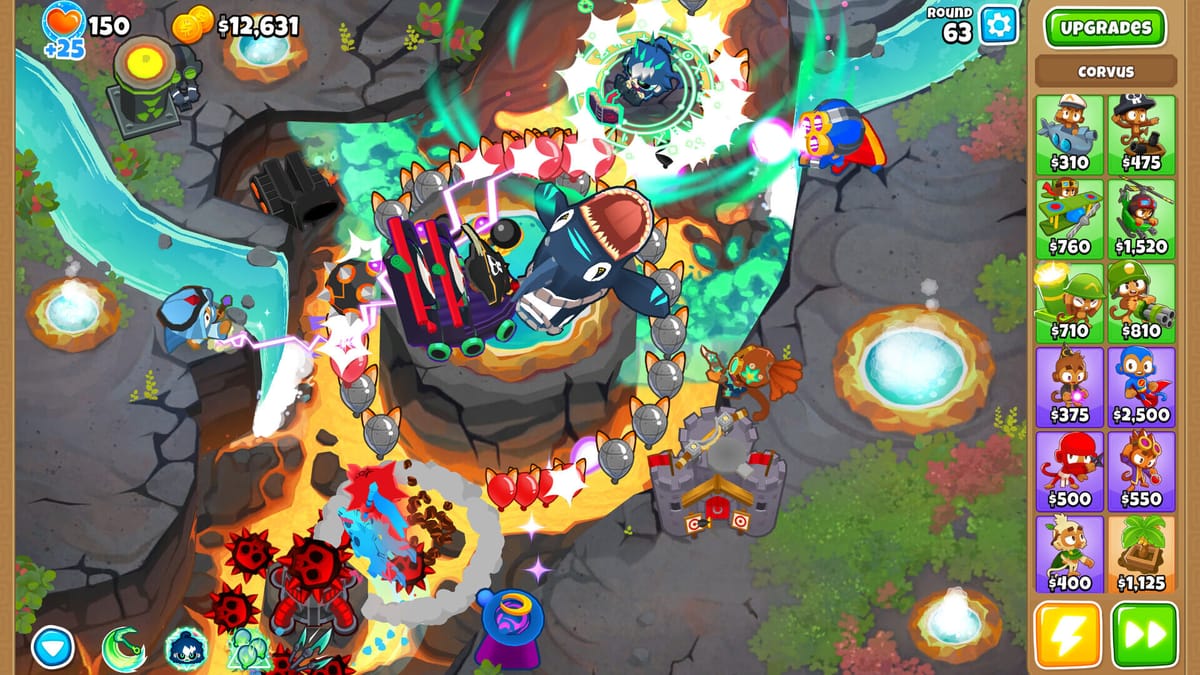
This is the most complete Steam Deck recommendation on the list. The defense loop is pure lane control: read the track, build overlapping damage zones, stack support towers, and adjust to wave types before they break your line. It stays clean because enemy paths are easy to parse and the visual language is strong even on handheld.
Why it ranks first is simple. It handles short sessions well, but it also supports deeper planning once you start optimizing tower synergies and upgrade timings. On Steam Deck, that matters. You want a game where touch, sticks, or trackpad input never feel like a tax on basic placement. Bloons TD 6 keeps the loop readable and fast.
Best for players who want a classic tower defense game that can lean arcade or tactical depending on how hard you push. It fits both casual lane holding and serious efficiency play.
The tradeoff is tone and visual noise. It is bright, busy, and sometimes chaotic once the screen fills up. If you want a stripped-down military-style read on every lane interaction, this can feel too loud.
Plants vs. Zombies
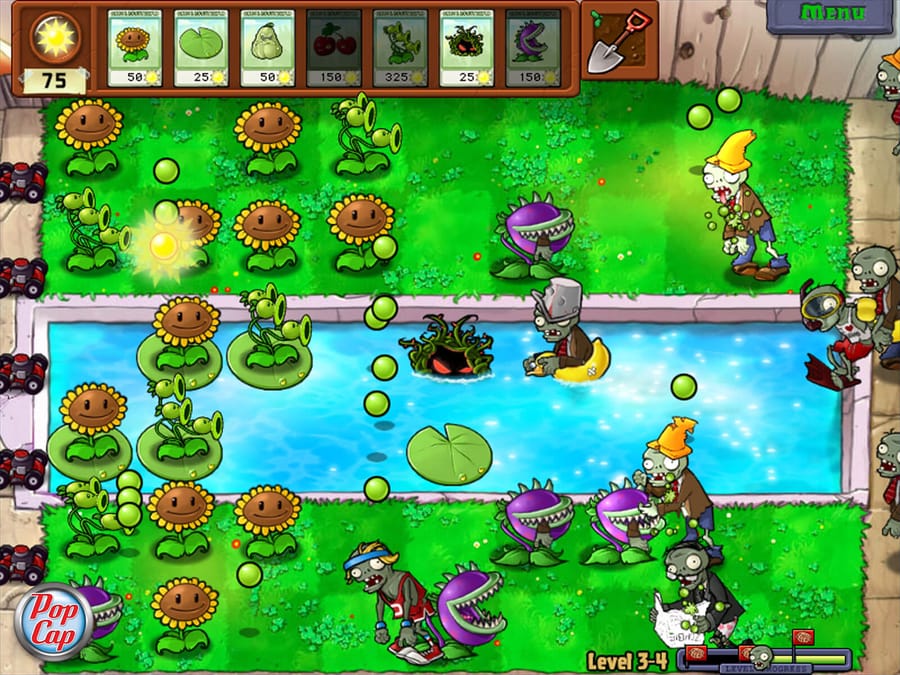
Few tower defense games are better on a handheld when you care about instant map readability. The lane defense structure is brutally clear: five rows, limited sun economy, simple plant roles, and wave pressure that escalates without burying the board in clutter. On Steam Deck, that clarity matters more than feature count.
It fits this article because the controls are low-friction and the defensive planning survives a small screen perfectly. You are making compact, meaningful decisions about lane coverage, cooldown timing, and resource commitment. Every row is readable. Every plant has a clean purpose. That keeps the hold-the-line loop intact on portable play.
This is the pick for players who want classic tower defense fundamentals without system overload. It is especially good for anyone who values clean pacing over deep upgrade trees.
The downside is depth ceiling. Compared to later entries, the route control is simpler and long-term build experimentation is narrower. If you want more layered tower synergy or denser map design, you may outgrow it.
Kingdom Rush
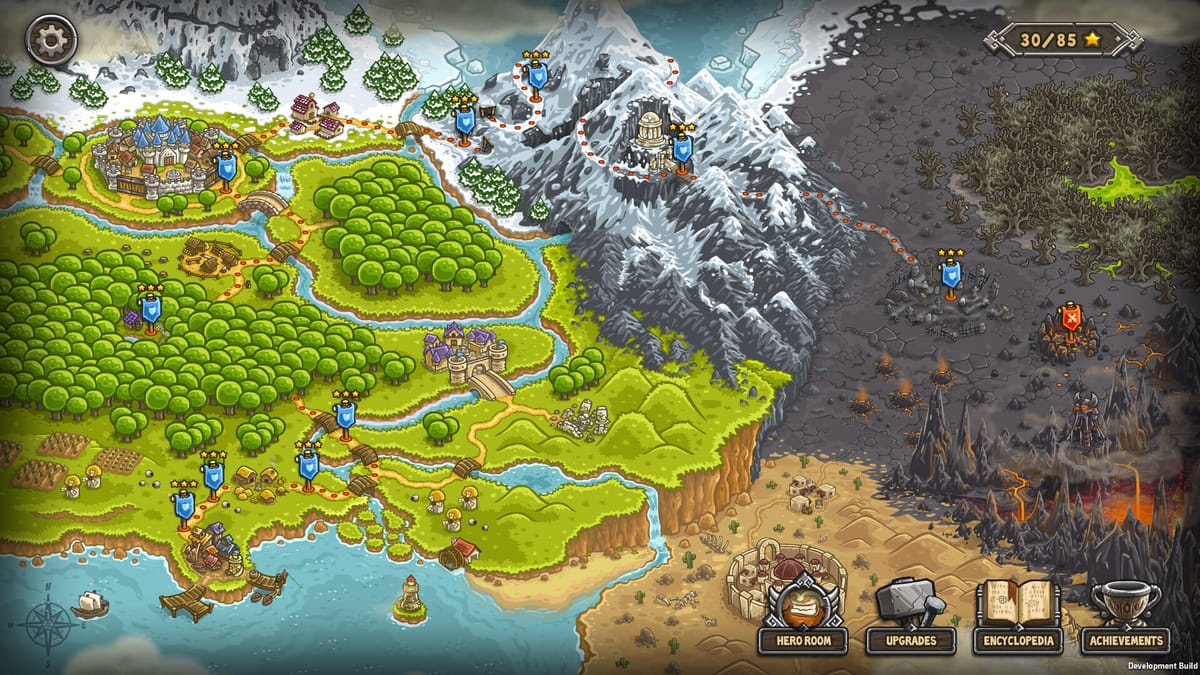
Kingdom Rush is one of the best handheld fits in the genre because it reduces tower defense to sharp decisions at obvious chokepoints. The loop is lane-heavy and highly readable: lock down roads, rotate between tower archetypes, spend reinforcements wisely, and use hero support to patch leaks under pressure.
This is one of the safest recommendations for Steam Deck players who want structure without fiddliness. Maps are designed around visible road coverage and clean split points, so you rarely lose because the interface obscured information. You lose because you misread wave timing or underbuilt a lane segment.
It fits best for players who like a slightly more active defense style. You still build the line first, but calling reinforcements and firing abilities gives you a little hands-on wave management without turning the game into an action hybrid.
The tradeoff is that some purists may find it more curated than sandbox-like. You are solving crafted lane problems, not creating wildly open-ended tower webs.
Kingdom Rush Frontiers
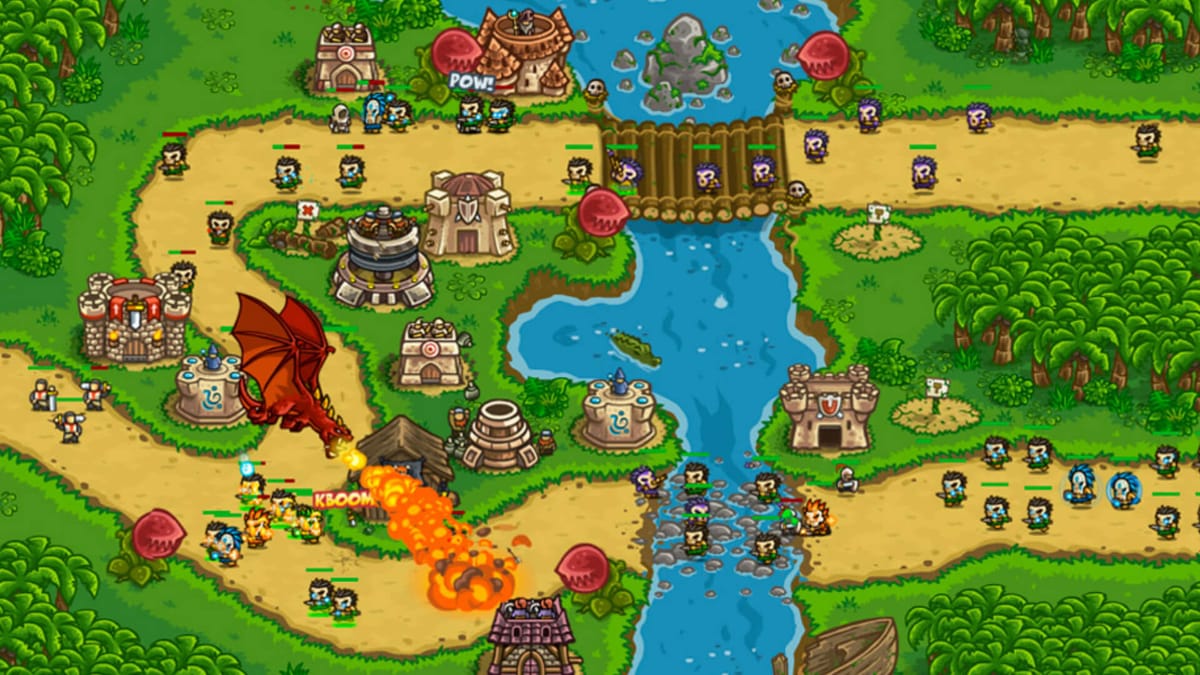
Frontiers takes the Kingdom Rush formula and pushes it a little harder. The lane defense is still built around strong road coverage and choke control, but the unit mix gets meaner and the tower choices feel more specialized. On Steam Deck, that works because the core readability remains intact even when the pressure climbs.
Why it belongs this high is that it keeps the same handheld-friendly map language while giving more texture to wave response. You are not just building generic coverage. You are tailoring hold points, burst zones, and stall tools around nastier enemy behavior. That makes it a better fit for players who already know basic lane defense rhythms.
This one is for tactical players who want more combat texture than the original without losing the pick-up-and-play flow. Sessions still feel compact, but the planning is tighter.
One reason it may not click: it is less beginner-friendly than Kingdom Rush. If you want the cleanest possible on-ramp, start with the earlier game first.
Rogue Tower
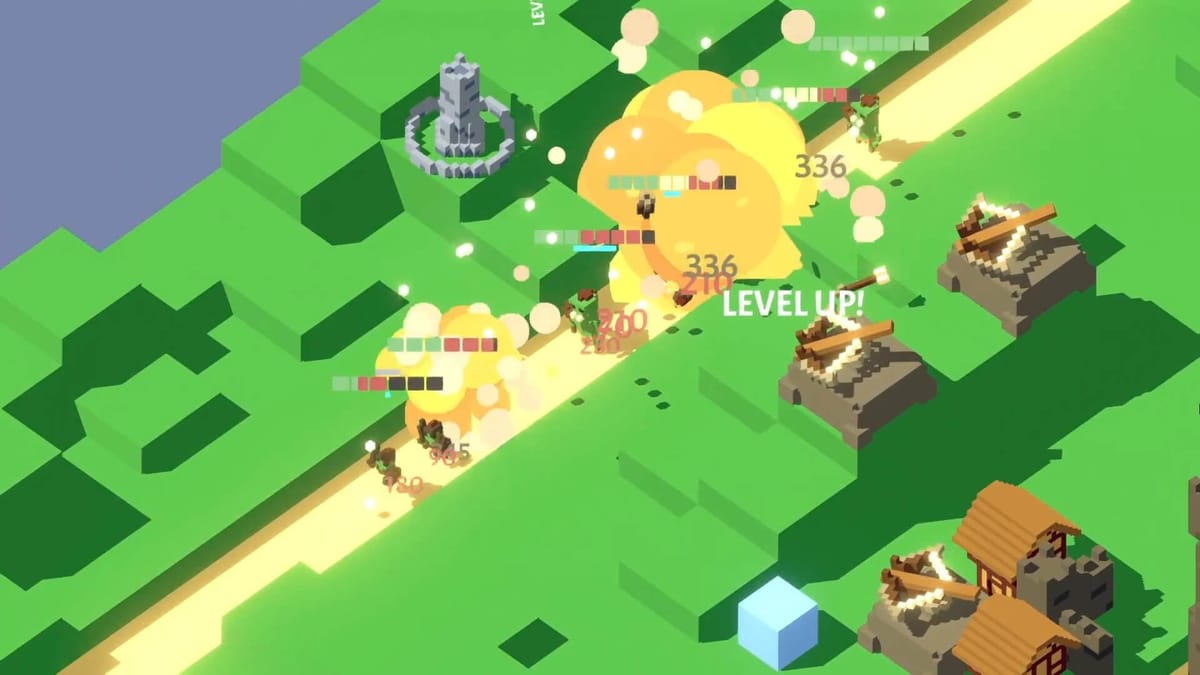
Rogue Tower is the most structurally different game in the upper half of this list. The defense loop revolves around expanding the road network as much as defending it. You are not just placing towers on fixed lanes. You are shaping the route, creating future coverage problems, and then trying to survive the wave pressure your own map growth introduces.
That route-control angle makes it a strong Steam Deck pick for players who want deeper planning from a classic TD frame. The map view is generally legible, and the core decisions are tactical rather than twitchy. It works well handheld because the moment-to-moment action is about placement and path logic, not precision-heavy execution.
Best for players who want a more cerebral, run-based tower defense game with meaningful risk in every expansion choice. It leans tactical with a little survival tension.
The tradeoff is volatility. Runs can go wrong fast, and the balance between greedy lane growth and stable defense can feel punishing. If you want a polished, predictable campaign arc, this is less comfortable than the big genre staples.
Dungeon Warfare 2
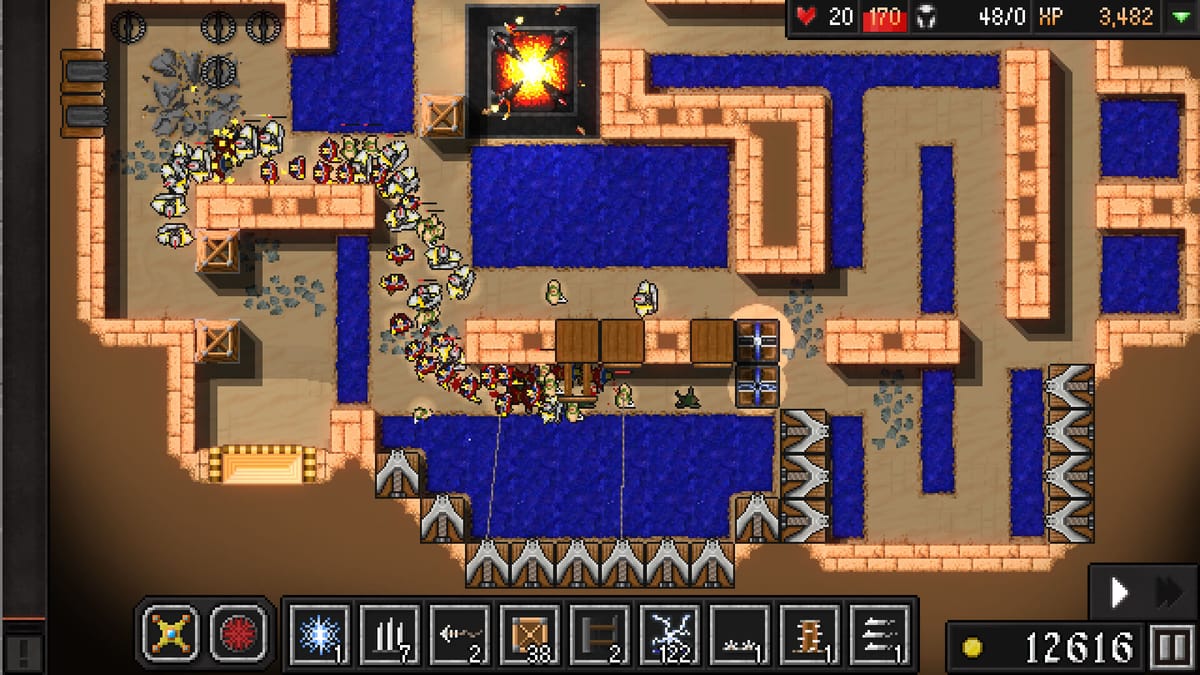
This is the trap-heavy pick. Instead of traditional roadside tower lines, the defensive loop is about killbox construction, forced movement, crowd control, and layered trap synergy. You are engineering choke points, knockback chains, and damage funnels that shred waves before they reach the objective.
On Steam Deck, Dungeon Warfare 2 works because the maps and tools support deliberate planning over frantic input. You can read the room, set the line, and then refine the trap network as enemy types escalate. It still scratches the classic tower defense itch because success comes from lane manipulation and wave denial, not direct combat.
It fits best for players who prefer tactical setups and mechanical interactions over broad tower rosters. If your favorite part of defense games is making the map itself lethal, this is one of the strongest options here.
The reason it may not land for everyone is simple: it is less of a traditional lane-road tower defense game. If you want clear path-side tower placement and familiar archetypes, this can feel more like a trap puzzle under siege.
Infinitode 2
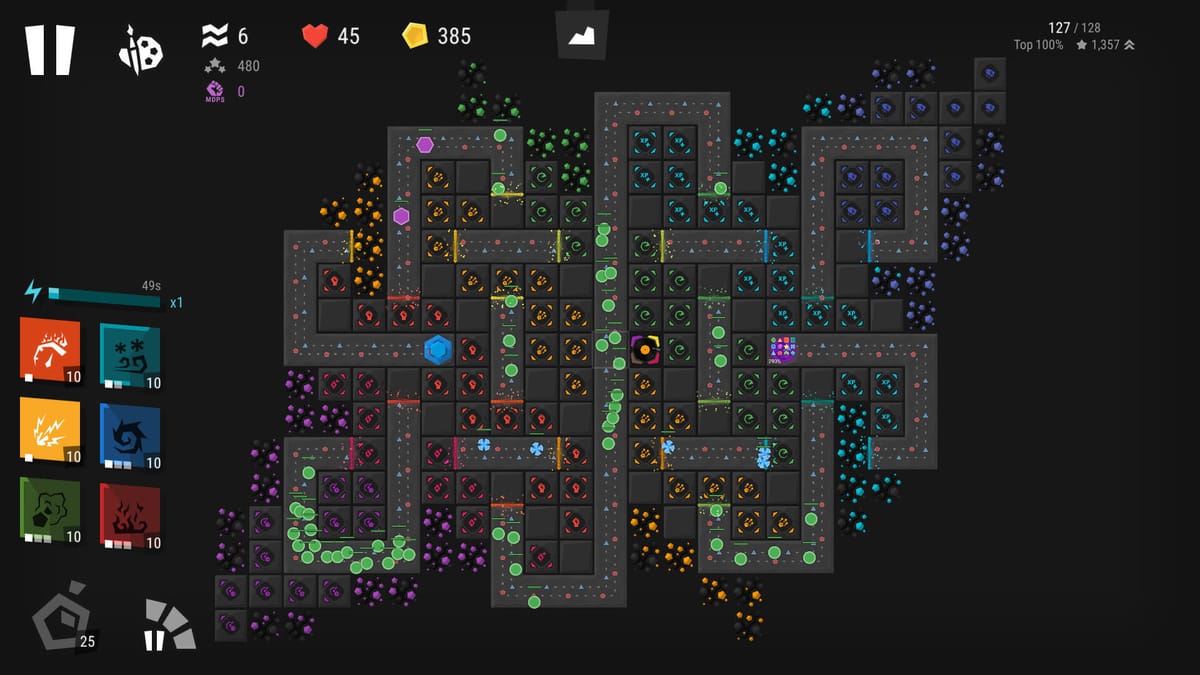
Infinitode 2 is for players who care about systems first. The defense loop is still rooted in lane control and wave survival, but the real draw is efficiency: optimized tower layouts, upgrade planning, resource scaling, and long-term progression that rewards methodical thinking.
It earns its place because it plays well in handheld sessions despite its density. The presentation is stripped down, which helps a lot on Steam Deck. You are not fighting visual clutter. You are reading routes, coverage radius, and build logic. That makes it one of the better steam deck td games for players who want a clean board and serious optimization.
This is the right fit for tactical players who like to refine builds, squeeze value from every tile, and think several waves ahead. It is less arcade, more systems-driven.
The tradeoff is feel. Its minimalist presentation and optimization-heavy rhythm can come off cold compared to more characterful TD games. If you want charm, spectacle, or hero-driven moments, this may feel too clinical.
Isle of Arrows
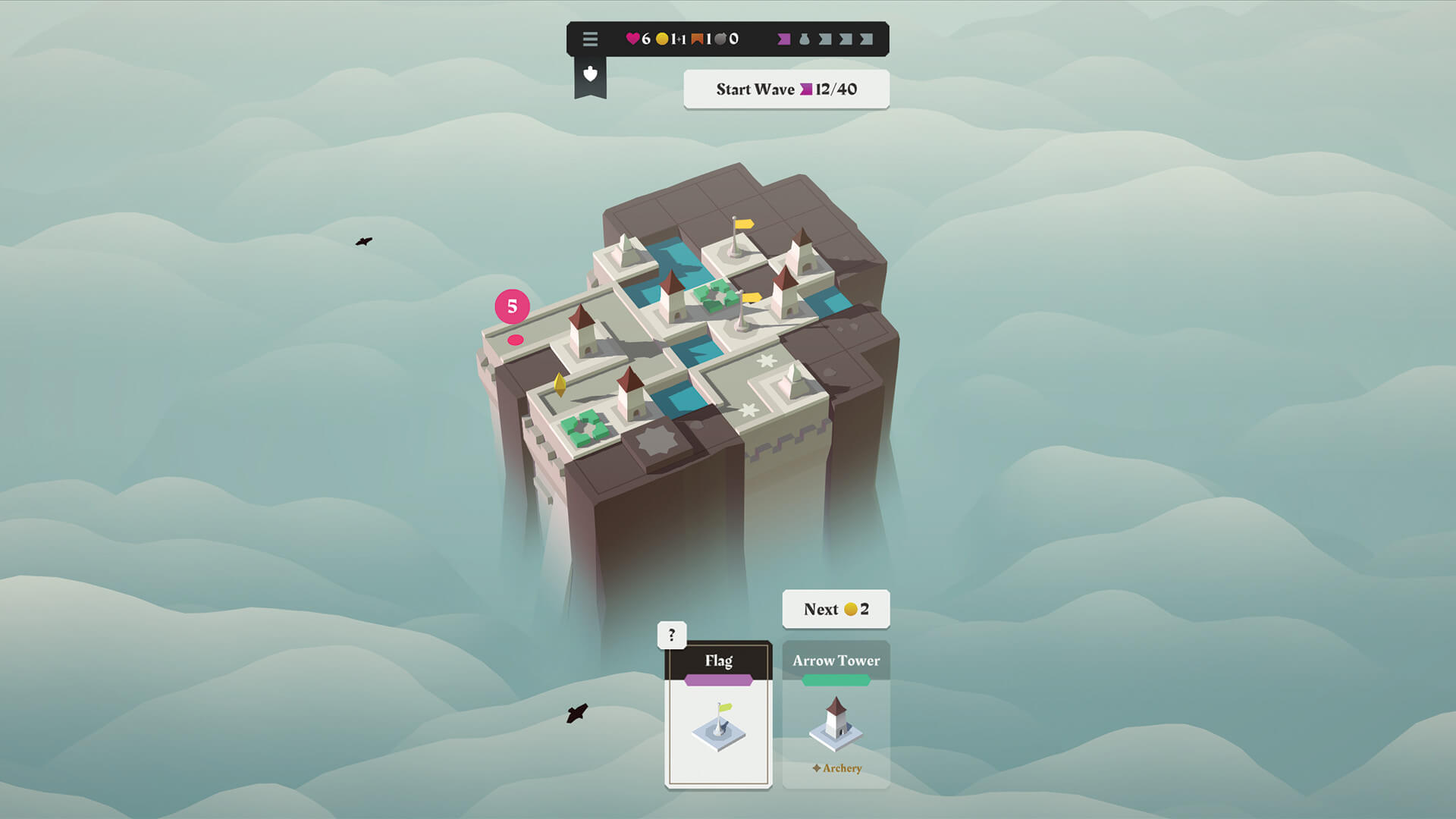
Isle of Arrows sits lower because it is more conditional, not because it lacks good defense design. Its core loop mixes lane defense with tile placement, asking you to build the route and the defense at the same time. That creates real handheld appeal: runs are compact, turns are readable, and the map never becomes impossible to parse.
Why it fits this article is its board-game-like clarity. On Steam Deck, the smaller play space actually helps. You can read lane bends, available build space, and future pressure without needing large-screen overview. The defensive planning is still real: build for path length, preserve key choke points, and avoid placements that wreck future tower coverage.
This is best for players who want a lighter, more experimental classic TD structure with short-session strength. It leans tactical but in a calmer, puzzle-like way.
The catch is that it is not the purest version of the genre. If you want fixed maps, stable lane reads, and a more standard tower-upgrade rhythm, this can feel too deck-driven and spatially constrained.
Defense Grid: The Awakening
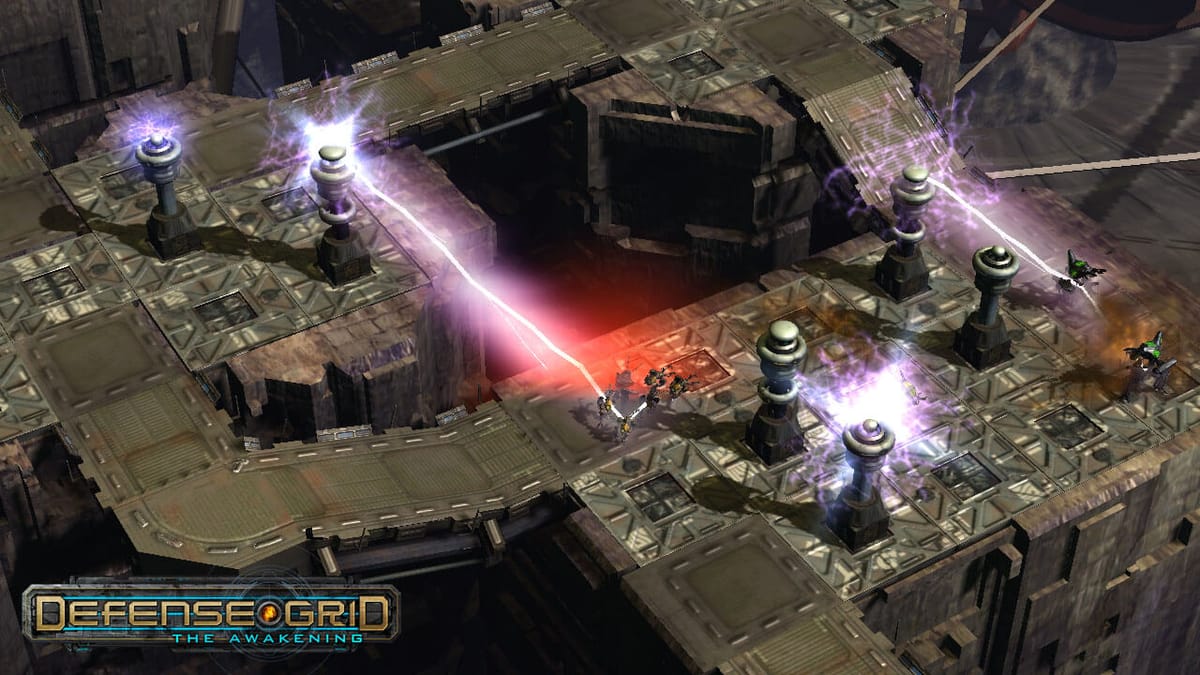
For players who want disciplined lane structure, Defense Grid: The Awakening is still one of the strongest pure tower defense games available. The loop is exacting: analyze approach lanes, place towers for overlapping fire, manipulate route decisions where possible, and survive increasingly precise wave pressure.
Its Steam Deck value comes from map logic, not flash. This is a game where the lane architecture does the work. Chokepoints matter. Coverage angles matter. Tower types have specific jobs. If you want that classic sense of solving a defense map through disciplined placement, it delivers.
This is a strong fit for players who like tactical, lower-chaos tower defense and do not need a lot of meta systems around the core mission structure. It is one of the most foundational picks here.
The reason it lands near the bottom is handheld friction relative to the top entries. It is still good on Steam Deck, but it feels more deliberate and slightly less breezy in portable play than the most naturally handheld-friendly games above it.
Defense Grid 2
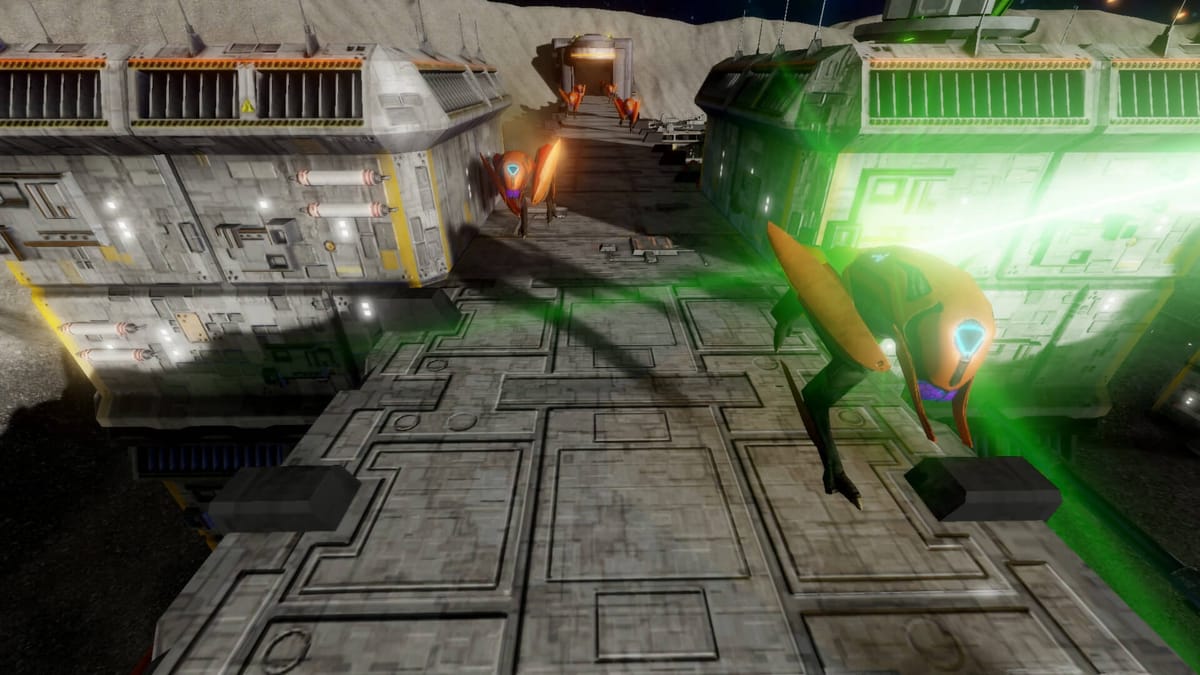
Defense Grid 2 keeps the same pure lane-defense identity and layers on more complexity. You are still building around route control, tower efficiency, and wave sequencing, but the maps and systems feel broader and a little busier. That makes it a good fit for experienced players who want more from the same defensive DNA.
It belongs on this list because the core is still excellent classic tower defense. On Steam Deck, the interface and map complexity ask a bit more from you than some lighter picks, but the payoff is richer planning. When a map clicks, it feels like a proper defensive puzzle with meaningful tower commitment and lane coverage tradeoffs.
This one is best for players who already know they like traditional tower defense and want a denser ruleset than Kingdom Rush or Plants vs. Zombies. It is more tactical than arcade.
The tradeoff is accessibility on handheld. It is not unreadable, but it is less immediately comfortable than the top-ranked games. If your main priority is effortless pick-up-and-play on a small screen, the original Defense Grid is the cleaner call.
Which type of player will enjoy these most
These picks work best for Steam Deck players who still want a readable defense board at arm’s length. That usually means one of three player types.
The first is the clean-lane planner. You want fixed routes, obvious chokepoints, and fast reads on where the line is breaking. Bloons TD 6, Plants vs. Zombies, and both Kingdom Rush games are the best match.
The second is the systems optimizer. You care more about coverage efficiency, scaling, and tower interaction than spectacle. Rogue Tower, Infinitode 2, and the Defense Grid pair fit that style better.
The third is the trap or board-space manipulator. You enjoy shaping the kill zone itself, not just dropping towers beside a lane. Dungeon Warfare 2 and Isle of Arrows are the strongest picks there.
What matters most when picking your next game
For the best tower defense games steam deck players, the first filter should be map readability. If enemy lanes, tower ranges, or wave information are hard to parse on a handheld screen, the defense loop breaks fast.
After that, check input friction. Classic TD should feel smooth with sticks, touch, or trackpads. If basic placement, upgrades, or targeting require too much cursor wrestling, it will wear out quickly on Steam Deck.
Then look at session shape. Some games are excellent in 15 to 30 minute bursts. Others ask for longer concentration and more exact planning. Neither is wrong, but it changes which game gets played regularly on handheld.
Last, decide how much chaos you want. Bloons TD 6 can get visually loud. Plants vs. Zombies and Kingdom Rush stay cleaner. Defense Grid and Infinitode 2 reward slower, more analytical reads. Match the screen feel to your tolerance for visual pressure.
FAQ
What is the best tower defense game on Steam Deck overall?
Bloons TD 6 is the safest overall pick. It combines strong lane defense, readable tower roles, good session flexibility, and controls that translate well to handheld without wrecking the core defense loop.
Which tower defense game on Steam Deck is easiest to read on a small screen?
Plants vs. Zombies is the clearest. Its row-based lane structure, simple economy, and instantly readable unit roles make it one of the best handheld tower defense games for quick visual parsing.
Which pick is best for pure classic tower defense fans?
Defense Grid: The Awakening is the strongest pure-play answer if you want disciplined lane structure, exact tower placement, and wave-focused defensive planning without much genre drift.
Which game here is best for short Steam Deck sessions?
Kingdom Rush and Plants vs. Zombies are excellent for short sessions. Both get to the defensive decision-making quickly and keep map states easy to read when you are playing in shorter bursts.
Which game is best if I want more planning and less arcade chaos?
Infinitode 2 is the best fit for that. It leans into route efficiency, tower optimization, and long-term build logic more than spectacle or hero-driven action.
Takeaway
The best tower defense games steam deck players should prioritize are the ones that keep lane reads, tower placement, and wave pressure clear on a handheld screen. Bloons TD 6 is the best all-around choice, Plants vs. Zombies and Kingdom Rush are the easiest to live with portably, and the rest of this list covers more tactical, trap-heavy, or systems-driven defense styles without losing the core hold-the-line appeal.