Minimalist Tower Defense Strategy: How to Win With Fewer Towers
Learn how minimalist tower defense works, when to build fewer towers, how to use chokepoints, and which games are best for practicing efficient defense.
Minimalist tower defense is not about refusing to build.
That is fake difficulty.
Real minimalist defense is about building only what the lane, wave pressure, and economy actually justify. Fewer towers. Cleaner chokepoints. Smarter upgrades. Less panic spending.
The goal is not to make the map look elegant. The goal is to stop wasting resources on towers that do nothing important.
A good minimalist defense does not feel empty. It feels controlled.
Minimalist defense is a control problem
A cluttered defense feels safe because the map is full.
That feeling is often a lie.
Too many towers can hide weak lane control, bad upgrade timing, lazy targeting, and poor emergency planning. You win a wave, but you do not know why. Then the next wave changes the pressure and the whole thing collapses.
Minimalist defense asks a better question:
What is this tower actually controlling?
A good minimalist setup usually does one of four things:
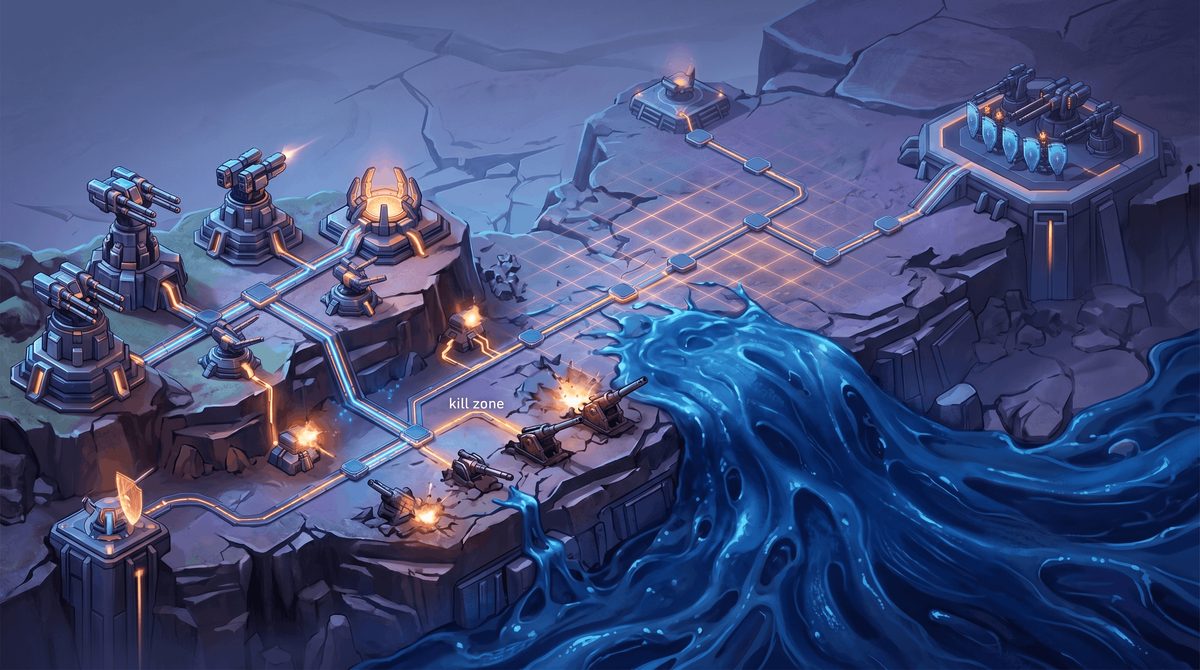
- Concentrates damage at a strong chokepoint
- Keeps enemies under fire for longer
- Covers a specific wave threat the current defense cannot handle
- Protects the economy by delaying unnecessary spending
If a tower does none of those things, it is probably decoration.
This is why minimalist tower defense is such a good way to get better at strategy games. The fewer tools you use, the easier it becomes to see which decisions matter. Bad placements stop blending into the background. Weak upgrades become obvious. Panic spending has nowhere to hide.
The core rule: build for failure points, not empty space
The beginner mistake is filling open slots because they exist.
Empty ground is not the problem.
Uncontrolled pressure is the problem.
Before placing another tower, identify the failure point:
- Are enemies leaving the main kill zone too healthy?
- Is one lane pulling pressure away from your strongest damage?
- Are fast waves slipping through before your towers ramp up?
- Are durable enemies soaking damage meant for weaker targets?
- Are you spending so early that you cannot answer the next wave?
Minimalist tower placement starts with restraint. Do not build because the map gives you a slot. Build because the current defense has proven that something specific is missing.
That difference matters.
One is strategy.
The other is nervous clicking.
The minimalist defense loop
A clean minimalist defense usually follows the same loop: read the map, define roles, upgrade pressure points, keep an emergency answer, and review leaks without losing your mind.
1. Read the lane before reading the tower list
Start with the path.
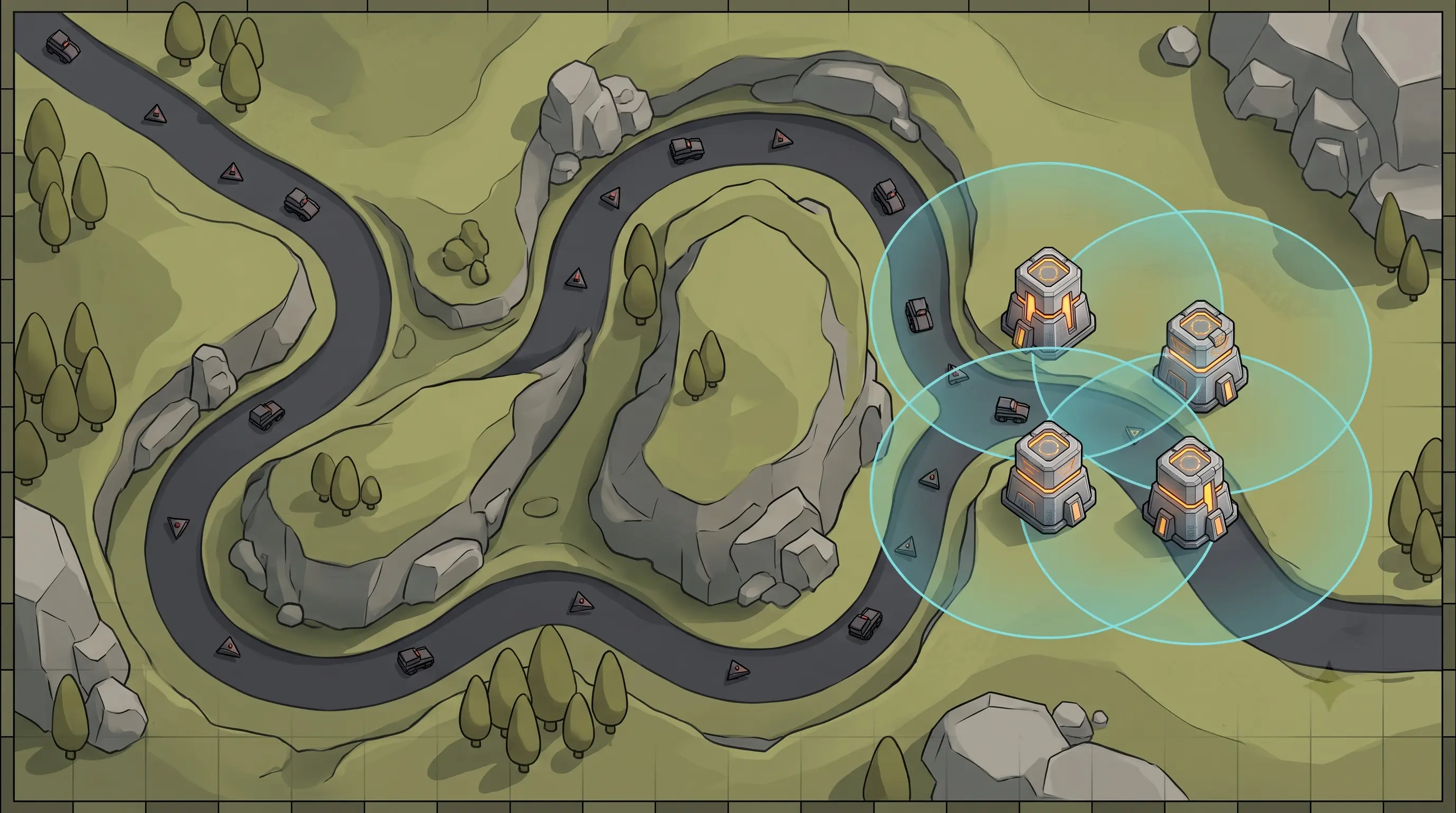
A long bend, tight corner, or repeated lane overlap is often more valuable than a flashy tower option. Minimalist defense depends on getting maximum uptime from every placement.
Look for:
- Corners where towers can fire for longer
- Shared coverage between lanes
- Chokepoints that concentrate enemy movement
- Backup positions near the end of the route
- Spots where range is not wasted on empty space
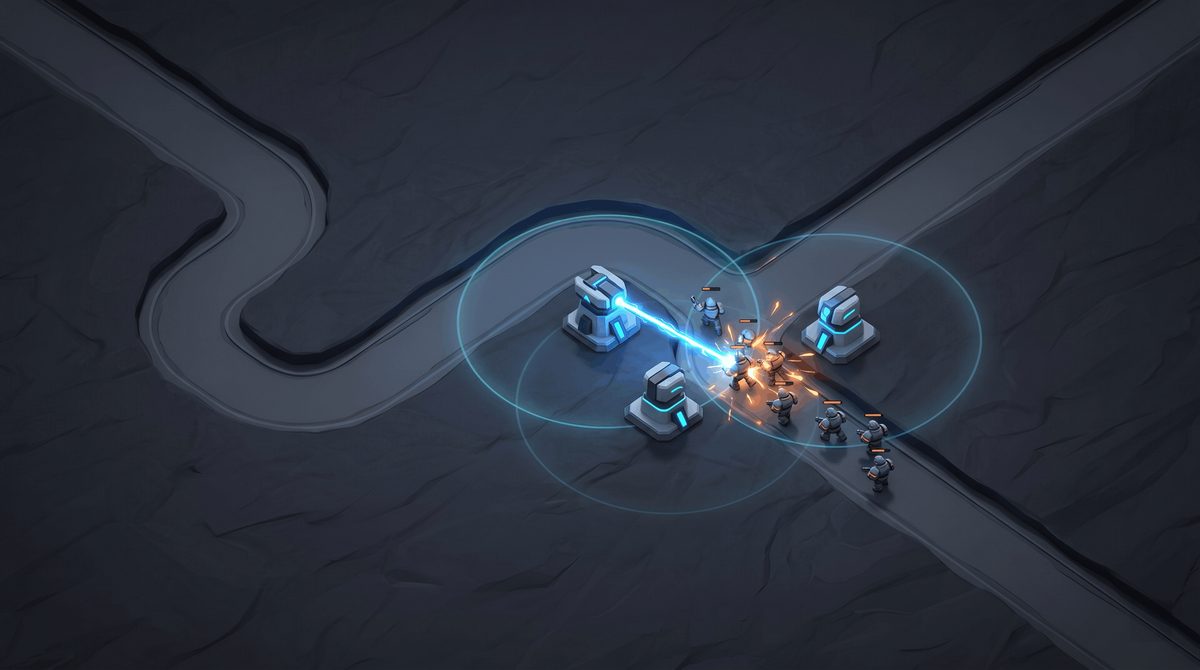
The best minimalist placement is often boring. It just fires for a long time and stays useful across multiple waves.
That is the point.
A tower in a great position can outperform three towers placed out of panic.
2. Assign every tower a role
A sparse defense cannot afford vague towers.
Every tower needs a job.
Common roles include:
- Main damage
- Crowd control
- Cleanup
- Armor or durability answer
- Early-wave stabilizer
- Emergency support
If two towers are doing the same job in the same area, one of them may be unnecessary.
That does not mean duplicates are always bad. Sometimes stacking damage is exactly the right move. But duplication should be intentional, not emotional.
The question is simple:
Would this defense actually get worse if I removed this tower?
If the answer is no, the tower was probably clutter.
3. Upgrade pressure points before widening the map
New towers are tempting because they feel like progress.
But minimalist defense usually rewards improving the strongest position before spreading across the map.
A new tower in a mediocre location may add less control than upgrading a tower already sitting in the main choke. This is especially true when that tower has high uptime and keeps firing through multiple enemy waves.
Ask this before spending:
Would this new tower change the outcome, or would it just make the map look safer?
Upgrade first when:
- The current choke is working, but barely
- The tower has excellent uptime
- The next wave stresses the same lane
- Your economy benefits from delaying expansion
Expand first when:
- A separate lane is uncovered
- The current tower cannot target the needed threat
- Enemies are bypassing your main kill zone
- A backup line is required to prevent collapse
Minimalism is not tower starvation. It is spending where the defense is already proving value.
4. Keep one emergency answer
Minimalist maps fail fast when they have no reserve plan.
A dense defense can sometimes absorb bad decisions through redundancy. A sparse defense cannot.
Your emergency answer can be:
- A saved burst ability
- A delayed tower placement
- A backup kill zone
- A flexible upgrade
- A final cleanup tower near the exit
The mistake is spending every resource just because the current wave looks stable.
Stability is only real if you can respond when the next wave changes the pressure.
5. Review leaks without overcorrecting
One leak does not automatically mean you need three more towers.
That is how clean defenses become bloated garbage.
A leak may mean one tower is slightly misplaced. Or one upgrade came late. Or one enemy type exposed a weakness you had not planned for.
After a failure, ask:
- Did the enemy escape with high health or barely any?
- Did the main choke fail, or did cleanup fail?
- Was the wave type different from the previous pressure?
- Did I build too wide instead of strengthening the core?
- Did I react to the last wave instead of preparing for the next one?
Minimalism makes failure easier to read. There are fewer moving parts, so the real mistake is harder to ignore.
Practical tower placement tips for doing more with less
Minimalist tower defense is not magic. It is mostly better placement, better timing, and less waste.
Favor long coverage over early contact
A tower that shoots early but only briefly can look useful.
A tower that fires through a bend, overlap, or central lane often does more real work.
Prioritize positions where the tower stays active. Idle towers are hidden waste. If a tower spends most of the wave doing nothing, it does not matter how good its stats look.
Build the first choke, not the whole defense
Your first goal is not full-map coverage.
Your first goal is a reliable damage zone.
Once the main choke is stable, decide whether the next resource should strengthen that zone or create backup coverage. Building everywhere at once usually creates a weak defense across the whole map.
That kind of defense looks safe until real pressure arrives.
Then it folds.
Treat cleanup as a separate job
Minimalist players often over-invest in the main choke and forget the last few enemies that survive it.
A small cleanup layer near the exit can be more efficient than adding another major tower into an already crowded kill zone.
Cleanup is not failure.
It is controlled insurance.
The key is not to turn cleanup into panic clutter. One well-placed final answer is different from throwing random towers at the back of the map because something leaked once.
Do not confuse symmetry with strength
Symmetrical defenses are satisfying.
Enemies do not care.
If one lane creates most of the danger, it deserves most of the attention. If one bend gives better coverage than the pretty center position, use the bend.
Minimalist defense rewards ugly, practical concentration.
The best layout is the one that controls pressure, not the one that looks nice in a screenshot.
Stop building when the wave is already solved
This is the hardest habit.
If the current defense is stable and the next threat is not clear, save.
Resources held in reserve are flexible. Towers placed too early are locked into yesterday’s problem.
A minimalist player does not ask, “What can I afford?”
They ask, “What problem needs solving right now?”
Sometimes the answer is nothing.
Three games that teach minimalist defense differently
These are not interchangeable examples. Each one pressures minimalist strategy in a different way: upgrade discipline, map control, or system mastery.
Bloons TD 6
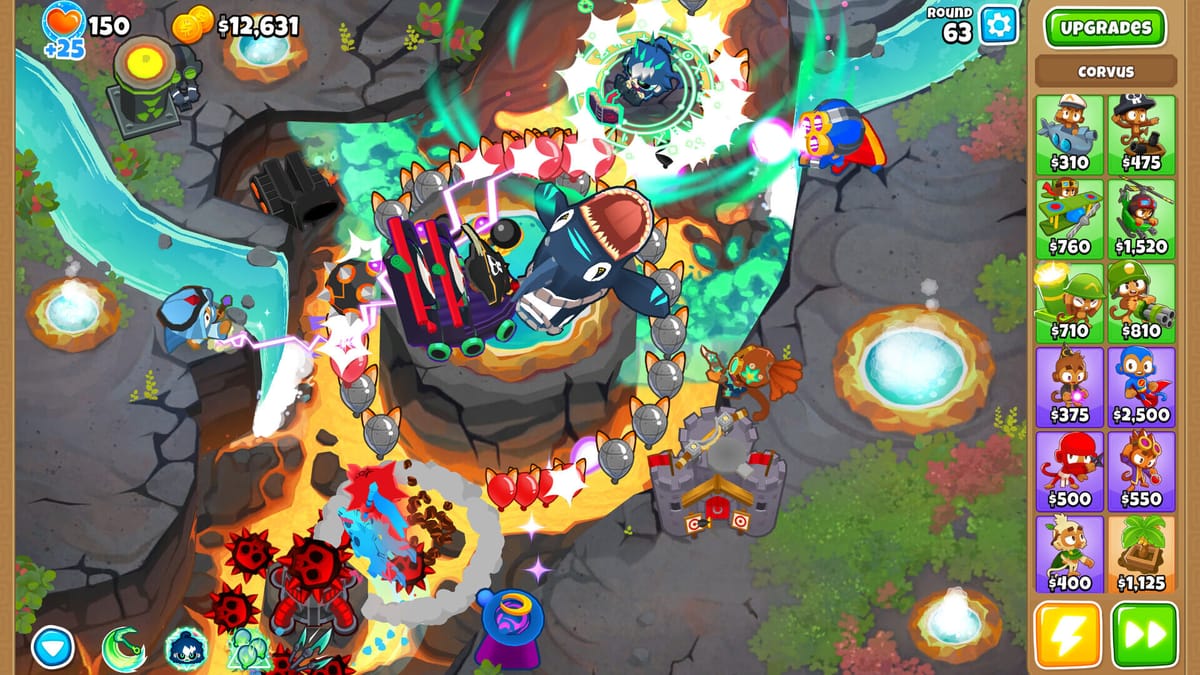
Bloons TD 6 is a strong fit if you want minimalist tower defense inside a polished, replayable structure. Its handcrafted maps, heroes, and deep upgrade paths make it a good place to practice doing more with fewer placements.
The minimalist lesson is tower efficiency.
Because heroes and upgrades matter so much, the temptation is to keep adding answers instead of making the best-positioned answers stronger. A clean Bloons TD 6 setup asks you to pick a lane plan, concentrate value, and avoid buying scattered towers that do not solve a specific wave problem.
It fits players who like visible progression and repeated refinement. Minimalist strategy improves through iteration, and Bloons TD 6 gives you plenty of room to test whether a stronger core holds better than a wider, messier spread.
The limitation is that its lighthearted style can make players underestimate the depth. Treat it like casual clutter and you will miss the lesson. Take the upgrade and hero decisions seriously, and it becomes a strong minimalist training ground.
Defense Grid 2
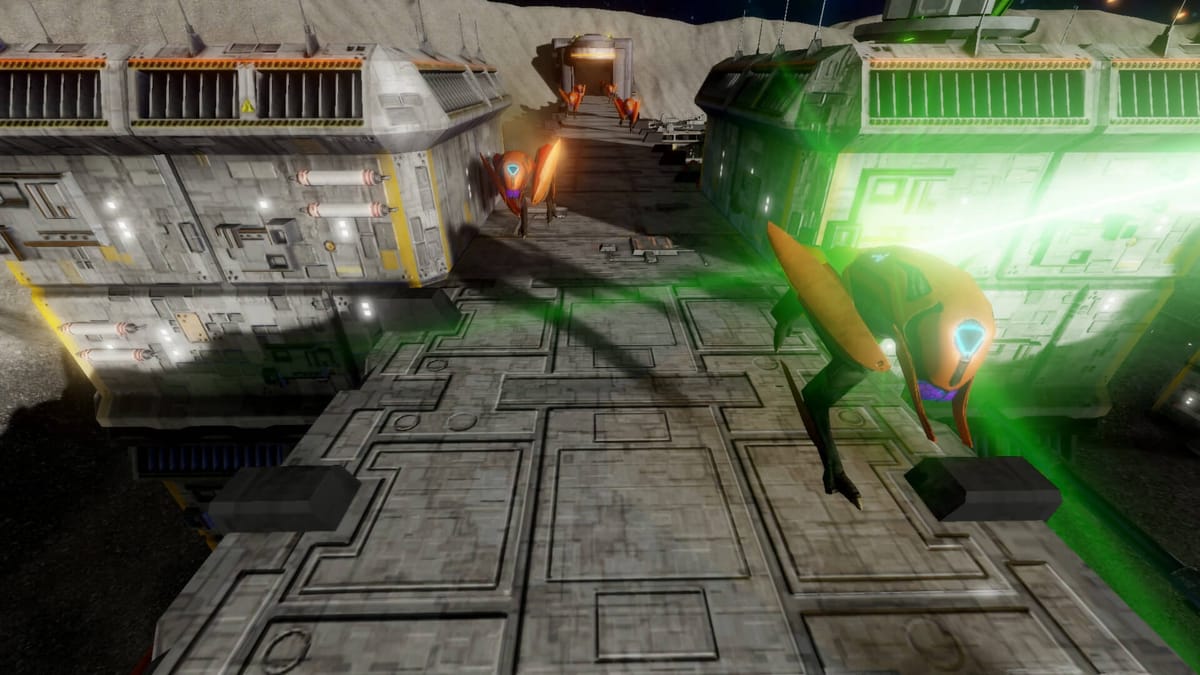
Defense Grid 2 belongs here because it gives you a cleaner tower-defense discipline test: can you solve the layout, or are you compensating for uncertain placement by overbuilding?
The defensive identity here is lane control.
Minimalist play should start with map readability. Find where the route can be shaped, slowed, or punished most efficiently, then commit to the few placements that create the most reliable pressure.
This works best if you want a more direct tower-defense exercise. It is less about hero-driven intervention and more about whether your tower plan actually controls the route.
The friction is that minimalist mistakes can feel blunt. If the placement plan is wrong, adding one more tower may not fix the real issue. Players who prefer messy improvisation may find that uncomfortable.
Good.
That discomfort is why it teaches the lesson.
GemCraft: Frostborn Wrath
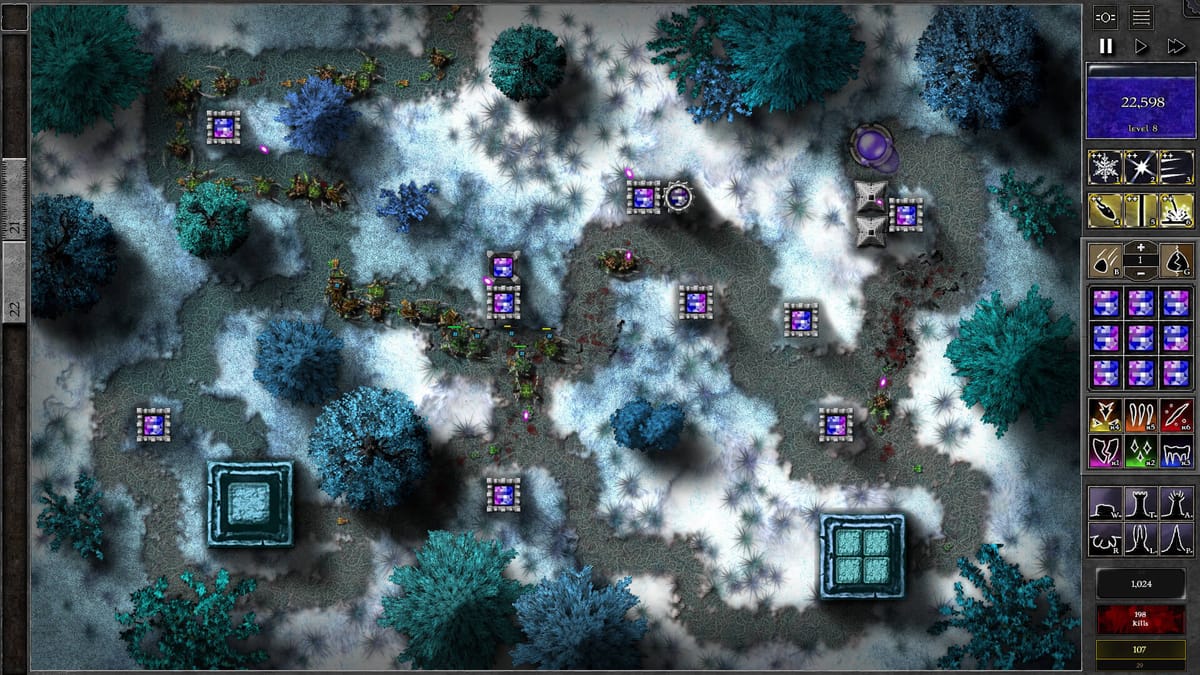
GemCraft: Frostborn Wrath is the deepest minimalist fit of the three, but also the least forgiving. Its gem combining and endurance pressure make quality, timing, and scaling more important than simple tower count.
The minimalist lesson is concentrated power.
A few well-managed gems can matter more than a crowded field of underdeveloped defenses. Minimalism here is not just about fewer towers. It is about knowing when combining creates more value than spreading resources too thin.
This is best for players who enjoy system-heavy defense. If you want minimalist strategy with darker pressure and longer-term scaling decisions, it has the right shape.
The warning is complexity. GemCraft: Frostborn Wrath is not the cleanest entry point for minimalist play. If you already struggle to understand why a defense failed, the deeper systems can make the lesson harder to isolate.
When minimalist defense breaks down
Minimalism is strong, but it is not a religion.
Do not lose because you were trying to look clever.
Add more defense when:
- A new lane creates pressure your core cannot reach
- A wave type invalidates your current damage profile
- Your cleanup layer is failing repeatedly
- Active abilities cannot cover the gap reliably
- The cost of one leak is worse than the cost of a safety tower
The important distinction is intent.
A safety tower placed for a known failure point is good strategy.
A safety tower placed because you feel nervous is clutter.
The minimalist audit
Use this quick audit before every major spend:
- What exact problem am I solving?
- Is the best existing tower already upgraded enough?
- Will this placement fire often, or sit idle?
- Does it strengthen the main choke or create necessary backup?
- Am I preparing for the next wave, or reacting to the last one?
- Could saving resources give me a better answer later?
If you cannot answer the first question, do not build yet.
A simple training challenge
To build the habit, try a low-count run in a game you already understand. Do not start with the hardest map. Start where the lane structure is readable.
Use these rules:
- Place only when a wave proves a need
- Upgrade before expanding unless a lane is uncovered
- Keep one reserve option for emergencies
- After each failure, change one thing, not five
- Count idle towers as mistakes, even if you win
This kind of practice changes how you see defense games.
You stop asking:
How many towers can I afford?
And start asking:
Which decision gives me the most control?
That is the heart of minimalist defense. Less is only better when less is smarter.