Best Tower Defense Games (2026)
The best tower defense games to play in 2026, from polished lane-defense classics to heavier hybrids with more pressure and depth.

Best Tower Defense Games (2026)
The best tower defense games still live or die on the same fundamentals: readable lanes, smart tower placement, clean upgrade paths, and enough wave pressure to make every build choice matter. This list focuses on the best tower defense games you can play in 2026 when you want real route control and hold-the-line decision making, not loose strategy games with some defensive flavor.
These picks cover the core of classic TD first, then move into heavier and more specialized lane-defense games. Some are polished entry points. Others are stricter, grindier, or more systems-heavy. All of them earn their place through defensive identity: towers, traps, chokepoints, wave planning, and base survival.
Quick take
- Bloons TD 6 is the safest overall pick. It balances lane readability, tower synergy, and long-term depth better than anything else here.
- Kingdom Rush and Kingdom Rush Frontiers are the best structured recommendations for players who want clarity, pace, and strong hero-supported lane defense.
- Plants vs. Zombies remains one of the cleanest tower defense designs ever made, especially for players who value map readability over complexity.
- Defense Grid: The Awakening and Defense Grid 2 are the picks for players who care most about route shaping, kill zones, and pure lane-control planning.
- Rogue Tower, Dungeon Warfare 2, GemCraft: Frostborn Wrath, and Infinitode 2 are more niche. They hit harder if you want scaling pressure, trap-heavy control, or deeper optimization.
The 10 picks
Bloons TD 6
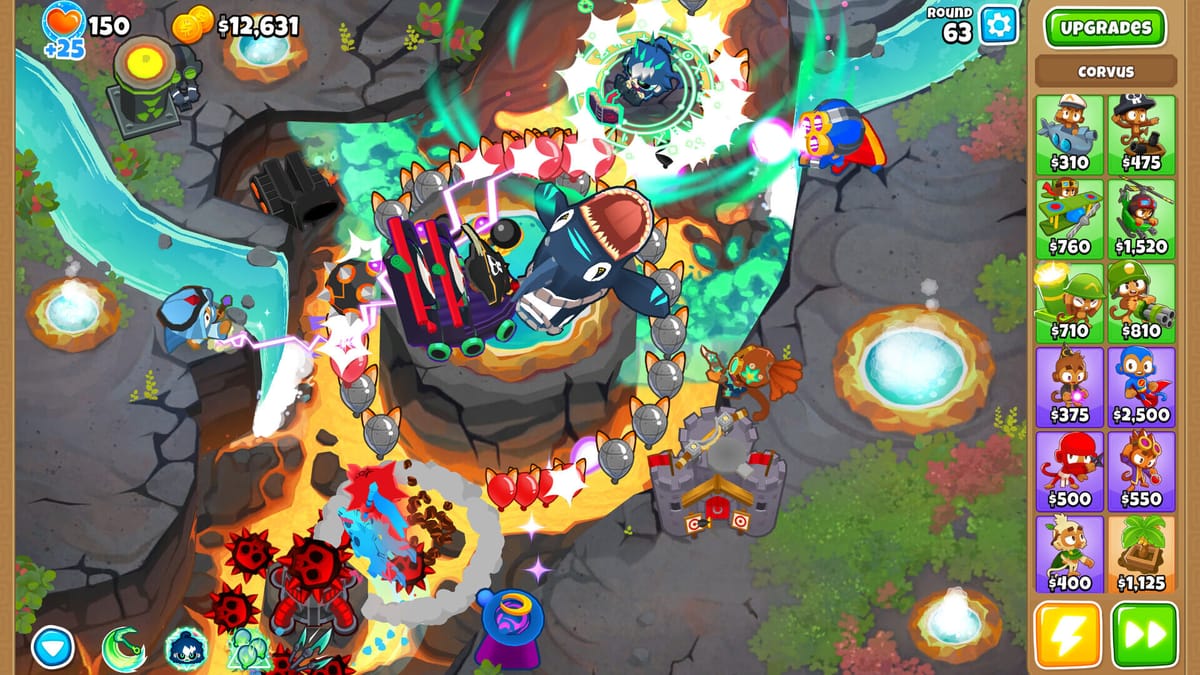
This is the top recommendation because it covers the widest range of tower defense tastes without losing lane clarity. The defense loop is pure classic TD: fixed paths, layered tower roles, strong upgrade branching, and constant wave planning around bloon types, resistances, and map geometry.
What puts it at the top is how much defensive depth it creates from readable foundations. You are not just placing damage towers. You are building coverage webs, timing support effects, creating efficient intersections, and solving maps through placement precision. It supports both tactical play and a more arcade rhythm, but the underlying structure is still strict enough to reward careful planning.
It fits this list because it is one of the clearest examples of modern classic tower defense done at full scale. You get lane defense, upgrade identity, route pressure, and real reasons to rethink your build from map to map.
Best for players who want a long-term main game in the genre. It works for newcomers because the lane language is easy to read, and it works for veterans because tower interactions and map demands keep opening up.
The tradeoff is volume. There is a lot here, and the upgrade ecosystem can push some players away if they want a tighter, less system-heavy tower defense loop.
Kingdom Rush
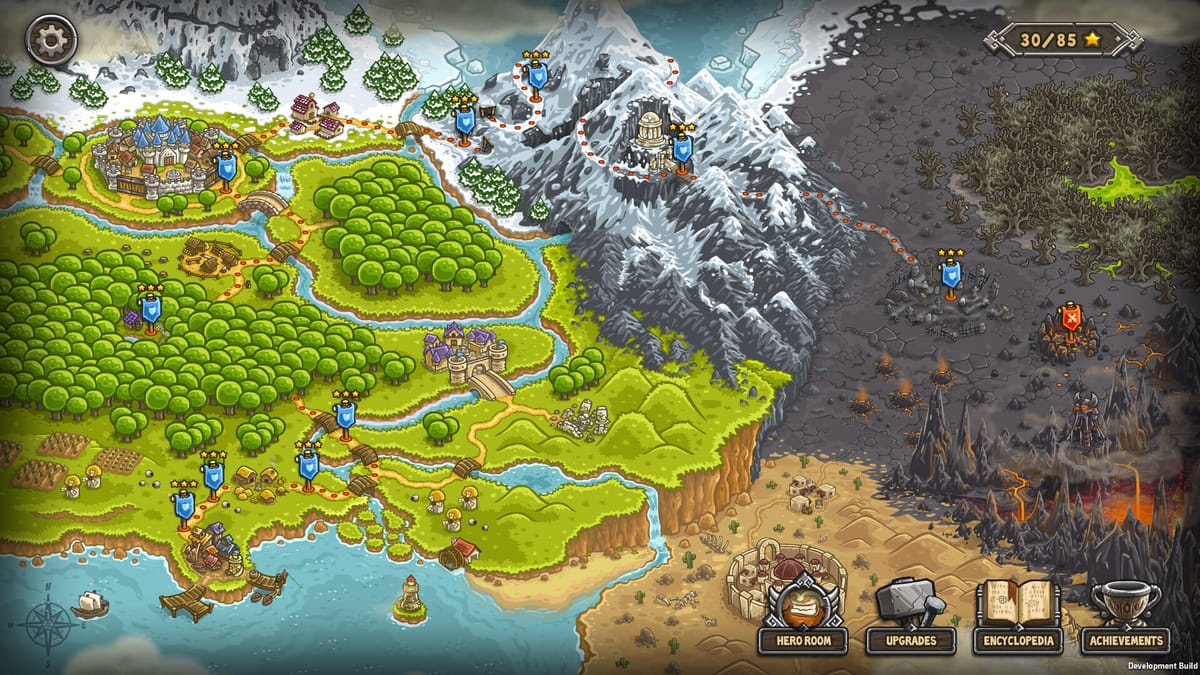
This is still one of the best pure lane-defense recommendations because it understands pacing. Maps are compact, lanes are readable, and tower placement decisions matter immediately. The loop is classic TD with a strong hero layer: you hold chokepoints, rotate barracks, use reinforcements, and react to wave spikes without losing the value of pre-planned tower coverage.
Compared with heavier optimization-focused TDs, Kingdom Rush is more tactical than mathematical. You are reading lane pressure, deciding where to stall, and using active abilities to preserve your strongest kill zones. That makes it one of the most reliable picks for players who want structure without spreadsheet energy.
It belongs near the top because it is such a clean expression of the genre. The tower roster is readable, lane structure is strong, and the maps push meaningful placement choices without burying you in complexity.
This is the right pick for players who want classic tower defense with personality and fast decision loops. It is especially good for players who like some active involvement but do not want the game to become action-heavy.
The real tradeoff is that its simplicity is part of the pitch. If you want sprawling build theory, giant upgrade trees, or endless optimization, it may feel too streamlined.
Kingdom Rush Frontiers
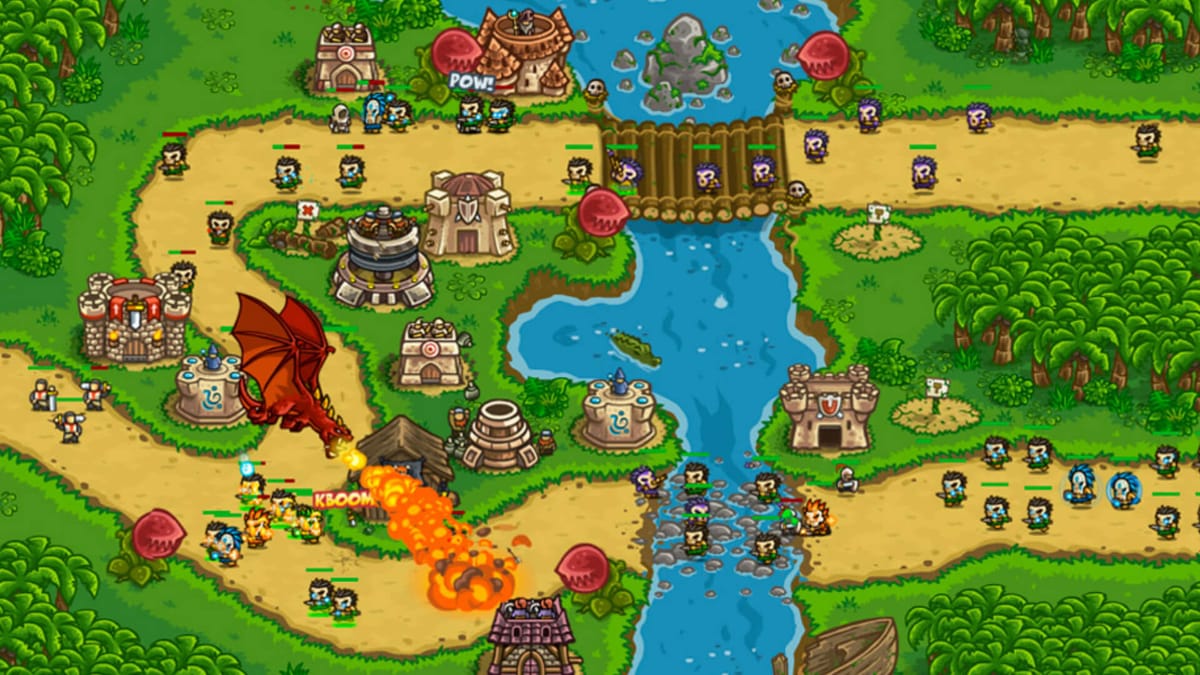
Frontiers keeps the same lane-defense backbone but pushes the combat pressure higher and opens up more aggressive tower and enemy interactions. The result is a slightly busier, punchier game than the first Kingdom Rush, with more demand for tactical adaptation during waves.
This fits the article because it stays grounded in classic tower defense structure. You still care about lane overlap, choke management, stall timing, and map-specific placement. The difference is tempo. Frontiers asks for a little more responsiveness and likes throwing unusual enemy behavior into otherwise clean lanes.
For many players, this is the better Kingdom Rush once they already understand the core formula. It is stronger on escalation, more willing to disrupt safe patterns, and better suited to players who want classic TD with more bite.
The best fit is someone who already knows they enjoy hero-supported tower defense and wants more pressure than the original provides. It leans a touch more action-forward in feel, even though it is still a classic lane-defense game at heart.
The tradeoff is readability under pressure. It is not messy, but it is less beginner-clean than Kingdom Rush, and some players will prefer the original’s tighter baseline.
Plants vs. Zombies
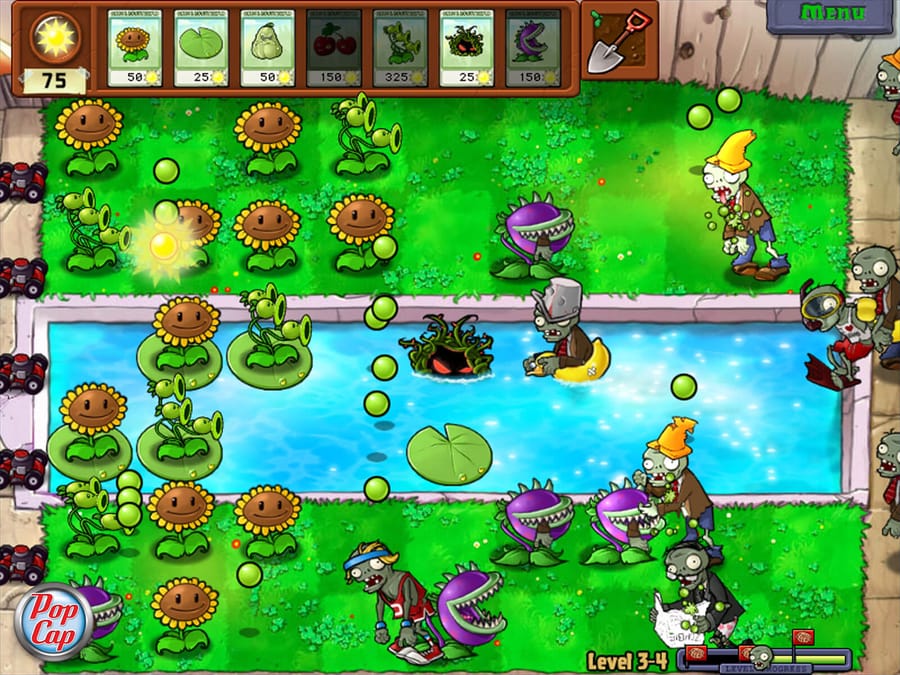
Plants vs. Zombies earns its spot because it remains one of the most readable lane-defense games ever made. The defense loop is stripped to essentials: fixed horizontal lanes, resource timing, plant placement, and wave responses that are easy to parse but hard to perfect.
Its genius is lane structure. Every row matters. Every tile matters. You can see exactly where your defense is strong, where it will fold, and what kind of answer the next wave demands. That makes it one of the best tower defense games for learning defensive planning without sacrificing strategic satisfaction.
It fits this article because it is unmistakably classic tower defense, just with a cleaner and more approachable presentation than most. You are still building lane-specific defenses, balancing economy against stopping power, and solving wave pressure through placement and sequencing.
This is best for players who value clarity over system load. It is also one of the strongest recommendations for people coming back to tower defense after a long break and wanting a clean re-entry point.
The tradeoff is obvious: it is lighter on long-term complexity than the top three picks. If you want deep upgrade routing, major build experimentation, or high-pressure endgame optimization, it may feel too contained.
Defense Grid: The Awakening
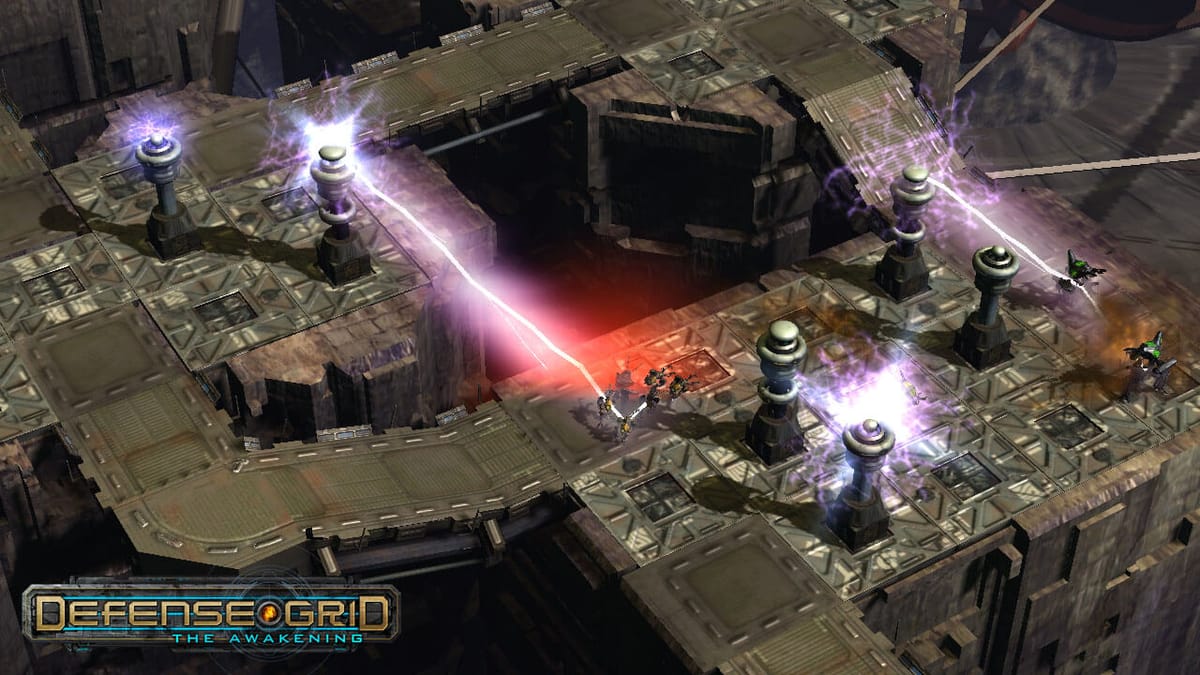
For players who care most about route control, this is where the list gets more exacting. Defense Grid: The Awakening is a pure lane-defense game built around path shaping, tower efficiency, and kill-box planning. You are not just covering a route. You are influencing how enemies move through your strongest fire zones and extracting value from every placement.
This is one of the clearest “defense-first” recommendations on the list. The game strips away extra decoration and puts the focus on geometry, timing, and wave handling. It feels more tactical and less arcade-driven than the Kingdom Rush games, with a stronger emphasis on map logic.
That is why it fits this article so well. When someone asks for the best tower defense games, pure route-control classics should be near the center of the conversation, and Defense Grid: The Awakening remains one of the best examples of that style.
It is best for players who want tower defense as a planning problem. If your favorite part of the genre is tightening a maze-like route and watching a build function exactly as intended, this hits hard.
The tradeoff is tone and accessibility. It is more clinical than charming, and players who want constant active abilities or a more playful rhythm may find it a little dry.
Defense Grid 2
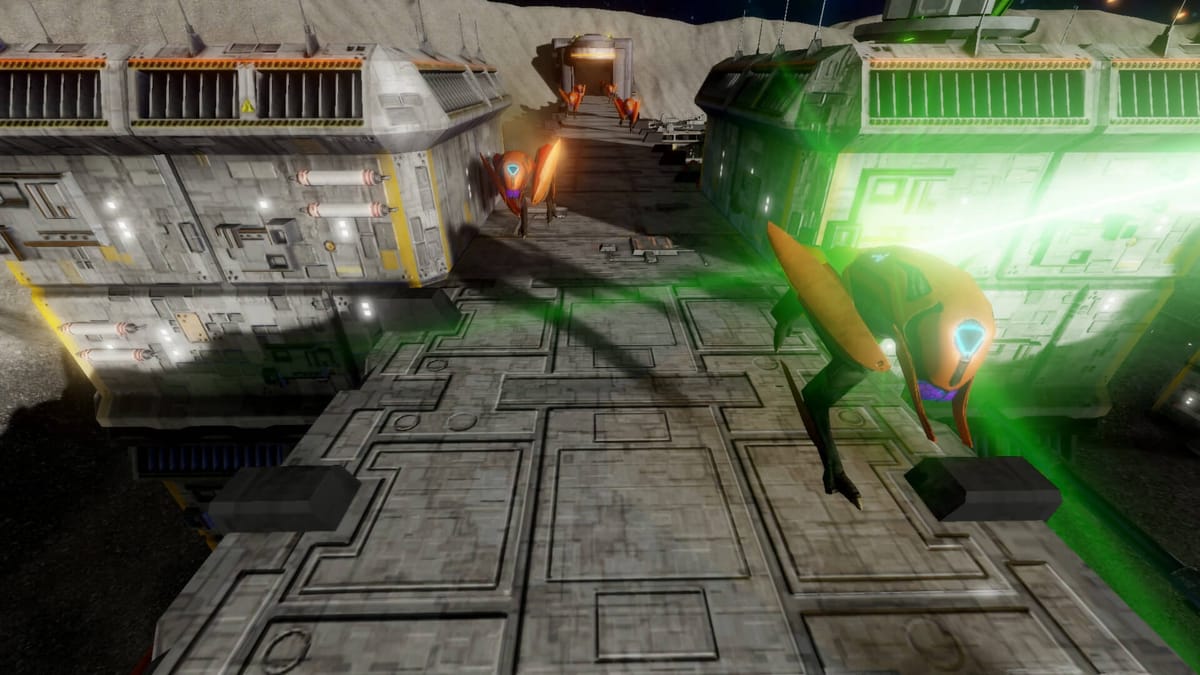
Defense Grid 2 builds on the same lane-control foundation, but with more systems pressure and more room for players who already know what they want from route-driven tower defense. The core loop is still pure: shape paths, stack coverage, manage wave threats, and defend objectives through efficient tower placement.
Why rank it below the first game? Because it is a stronger fit for a narrower audience. Defense Grid 2 has the same route-planning appeal, but it lands best when you already appreciate the cooler, more technical side of TD design. It feels like an expansion of a strong formula rather than the most universal entry point.
It belongs here because it remains one of the better answers for players who want classic tower defense without hero micromanagement or gimmick-heavy distractions. It is about lanes, routes, timing, and defense structure.
This is the pick for players who want more from Defense Grid’s style and are happy living in a more systems-driven lane-defense space. If you like wringing efficiency out of a map, it has real staying power.
The tradeoff is that its appeal is narrower than the games above it. It does not have the same immediate warmth or broad accessibility, and some players may not feel enough separation from the first game.
Rogue Tower
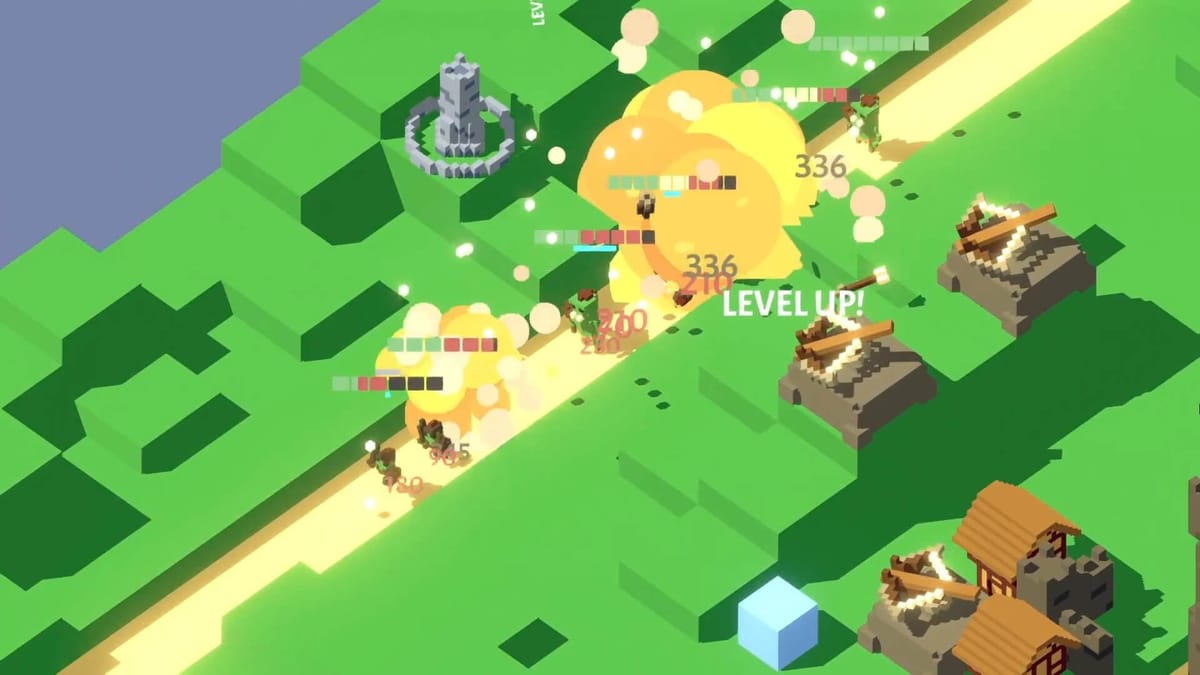
Rogue Tower is where the list starts getting more specialized. Its defense loop still belongs in tower defense: branching roads, tower placement around turns and overlaps, escalating wave pressure, and a constant struggle to stabilize a growing lane network. But the feel is more volatile than the cleaner classics above.
The key difference is path expansion. Instead of solving a fixed lane map, you are often reacting to a defense layout that develops over time. That makes route planning less controlled and more improvisational. It can create exciting defensive tension, especially when your build has to hold multiple pressure points at once.
That is exactly why it fits this list while landing in the lower half. It absolutely delivers hold-the-line lane defense, but in a more experimental and swingy form than the top picks. It is not the cleanest expression of classic TD. It is a compelling variation on it.
Best for players who want tower defense with more uncertainty and adaptation. If fixed-lane games sometimes feel too solved, Rogue Tower can feel refreshingly unstable.
The tradeoff is consistency. Players who want high map readability and tightly authored lane structure may bounce off the randomness and rougher pacing.
Dungeon Warfare 2
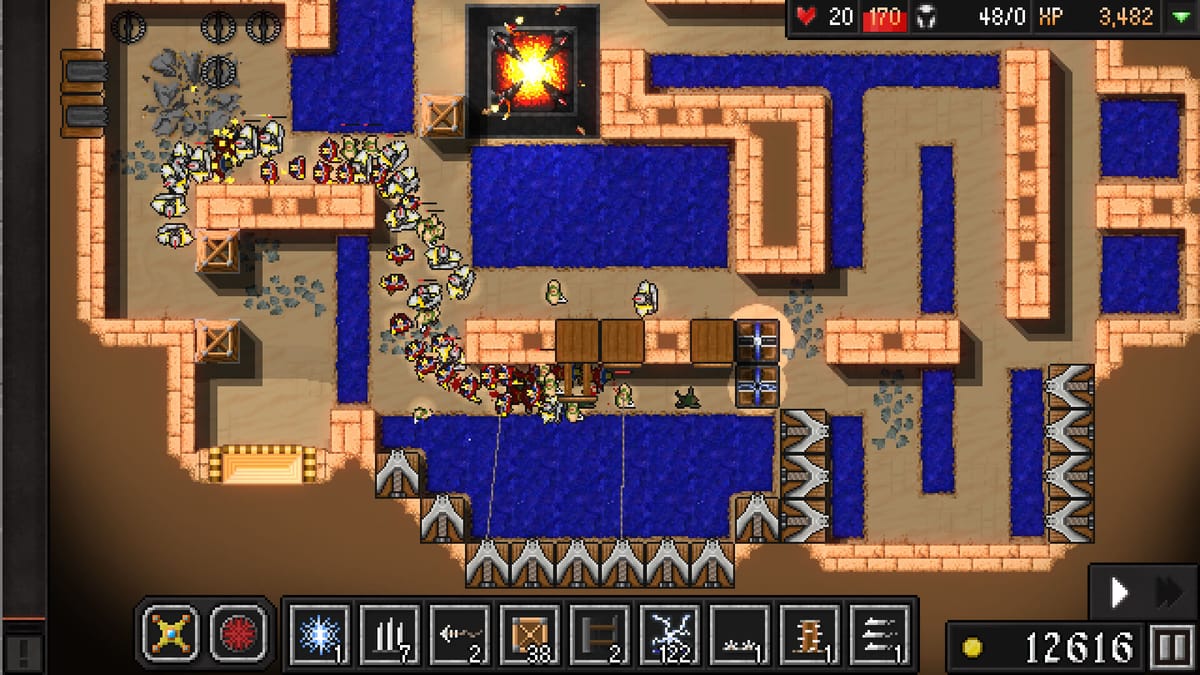
This is the trap-heavy outlier that still earns its place through a clear defensive identity. Dungeon Warfare 2 is less about traditional tower lines and more about engineering brutal kill zones with traps, forced movement, and chained control effects. The defense loop is still wave-based and lane-focused, but the pleasure comes from manipulating enemy movement through deadly chokepoints.
It fits this article because it remains unmistakably about defensive planning. You are reading approach angles, placing devices for maximum overlap, and creating layered gauntlets that turn each lane into a machine. It is not action-heavy. It is mechanical and methodical, with a stronger emphasis on trap logic than standard projectile towers.
This is a strong pick for players who think the most satisfying part of tower defense is not raw damage, but path abuse, displacement, and compact choke design. It has a more tactical, systems-forward feel than arcade TDs.
The reason it is not higher is simple: it is more specific. If you want a canonical tower-defense starting point, the games above are safer. Dungeon Warfare 2 is for players who already know they like defense setups that feel nasty and engineered.
The tradeoff is aesthetic and structural taste. If you want broad lane maps, classic tower rosters, or a lighter tone, this may feel too trap-centric and too specialized.
GemCraft: Frostborn Wrath
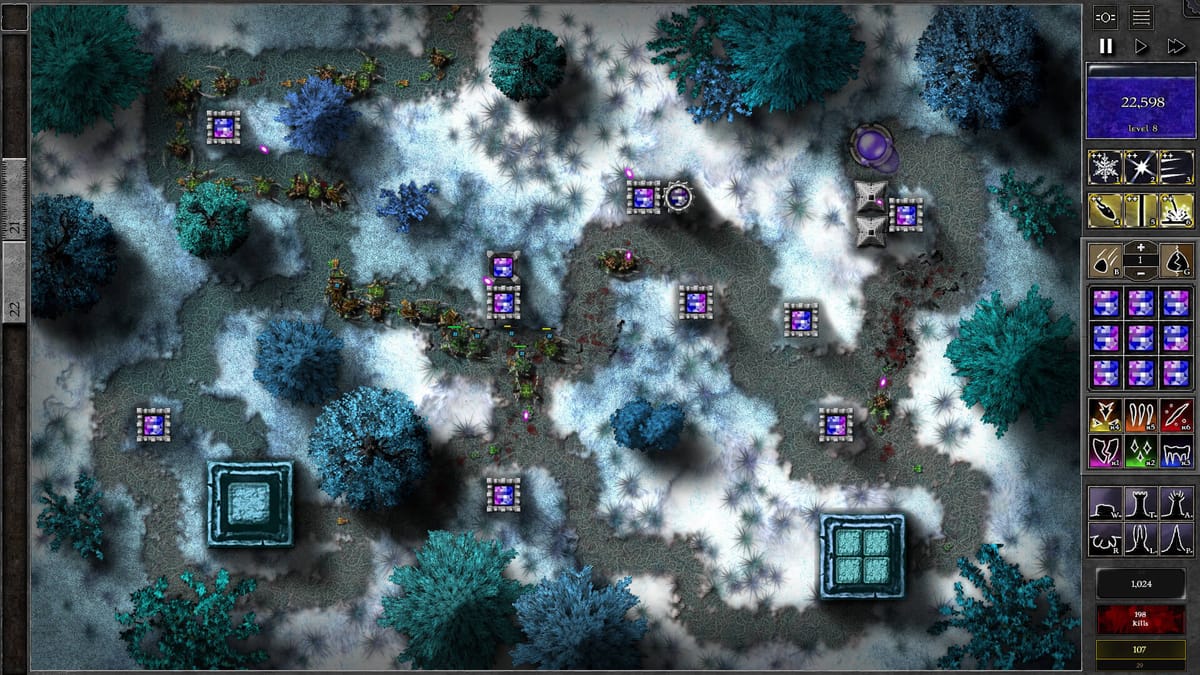
GemCraft: Frostborn Wrath is for players who want lane defense under heavier progression and denser upgrade management. The core loop is still tower defense: build around lanes and chokepoints, strengthen damage sources, survive incoming waves, and scale your defenses against increasingly punishing enemy pressure. But the game pushes much harder into long-term build depth and optimization.
This belongs on the list because it takes classic TD principles and feeds them into a more demanding progression structure. Placement still matters. Wave planning still matters. The difference is that the numbers, combinations, and upgrade decisions carry more weight over time.
For the right player, that added density is the whole point. You are not just surviving a map. You are refining a defensive engine and pushing for stronger control over difficult wave patterns. It leans survival-heavy compared with the cleaner arcade pacing of Bloons or Kingdom Rush.
It is best for players who want their tower defense to feel grindier, harsher, and more progression-driven. If you like squeezing efficiency out of a defensive build and do not mind systems overhead, this can become a deep rabbit hole.
The tradeoff is approachability. Frostborn Wrath is less elegant at first contact than the higher-ranked games, and players chasing a clean, readable lane-defense experience may find it too dense.
Infinitode 2
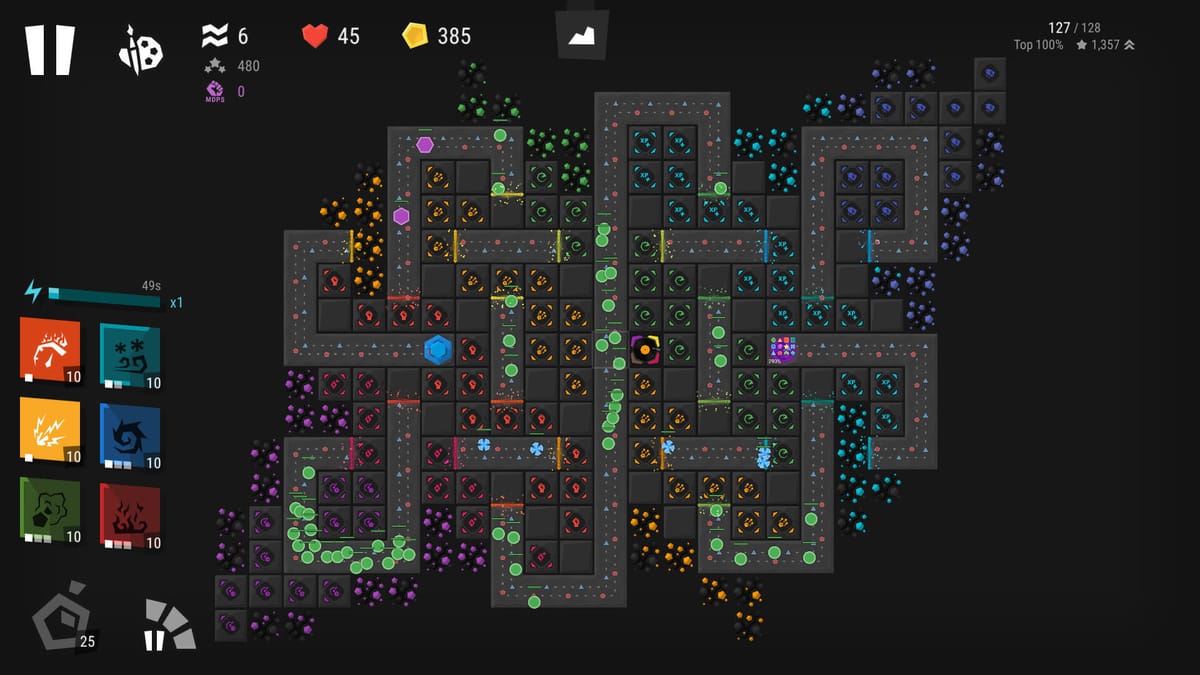
Infinitode 2 closes the list because it is highly effective for a specific kind of player, not because it is the broadest recommendation. The defense loop is classic enough to qualify cleanly here: lanes, towers, upgrades, wave scaling, and route-based planning. Where it separates itself is in its stripped-down presentation and optimization-first mindset.
This is a tower defense game for people who want to tune systems, test efficiency, and keep refining how a defense scales. Its abstract style puts almost all attention on placement logic, upgrade progression, and raw defensive performance. That can be excellent if your main interest is optimization rather than theme.
It fits the article because the defensive structure is real and the lane-defense planning is central. It is not pretending to be tower defense through vague wave combat. It is firmly about building and improving a route-control defense.
The best fit is a player who wants a clean sandbox for tower efficiency and progression loops. If you like examining how upgrades alter lane coverage and scaling, Infinitode 2 has a lot to dig into.
The tradeoff is personality. Its minimal presentation will not carry players who need strong atmosphere, memorable enemy design, or more expressive battlefield identity.
Which type of player will enjoy these most
Players who enjoy structured lane defense first should start with Bloons TD 6, Kingdom Rush, or Plants vs. Zombies. These are the clearest recommendations if map readability, obvious tower roles, and steady wave escalation matter more than deep edge-case systems.
Players who want more tactical route control should look harder at Defense Grid: The Awakening and Defense Grid 2. These are better when your favorite part of tower defense is building a route, shaping coverage, and squeezing maximum value from tower placement.
Players who like higher pressure or denser systems will get more from Rogue Tower, GemCraft: Frostborn Wrath, and Infinitode 2. These are less universal, but they reward people who enjoy improvisation, scaling complexity, or optimization-heavy progression.
If your ideal defense game is really about chokepoints and trap logic, Dungeon Warfare 2 is the clearest specialist pick on the list.
What matters most when picking your next game
The first question is simple: do you want clean fixed lanes or a defense game that becomes more chaotic over time? If you want structure, stay near the top of this list. If you want more adaptation and less certainty, the lower half gets more interesting.
Second, decide how much active intervention you want during waves. Kingdom Rush asks for more tactical ability use and hero support. Defense Grid is more about pre-wave planning and route logic. Those feel very different even though both are pure tower defense.
Third, think about your tolerance for systems density. Plants vs. Zombies and Kingdom Rush are easy to read. GemCraft: Frostborn Wrath and Infinitode 2 ask for more patience with progression and optimization.
The common mistake is chasing “more depth” when what you actually want is better lane clarity. A denser game is not always the better fit. Sometimes the best tower defense games are the ones that let you read pressure fast, place with confidence, and understand exactly why a defense held or failed.
FAQ
What is the best tower defense game in 2026?
Bloons TD 6 is the best overall tower defense game in 2026 for most players. It combines clear lane defense, strong tower identity, flexible upgrades, and enough depth to satisfy both newer and more experienced defenders.
Which tower defense game is best for beginners?
Plants vs. Zombies and Kingdom Rush are the easiest starting points. Both teach lane pressure, placement value, and wave responses without overwhelming you with too many systems early.
Which game on this list is the most tactical?
For pure route planning and map control, Defense Grid: The Awakening is the most tactical. For fast in-wave decision making with active support tools, Kingdom Rush Frontiers is one of the strongest tactical picks.
What should I play if I want deeper progression and optimization?
Go with GemCraft: Frostborn Wrath or Infinitode 2. Both lean harder into scaling builds, long-term upgrades, and more optimization-heavy defense loops than the broader picks near the top.
Are all of these pure classic tower defense games?
Most are, but a few sit on the heavier or more specialized edge of the genre. Dungeon Warfare 2 is more trap-focused, and Rogue Tower is more experimental with lane development. They still belong because the core loop is firmly about route defense, wave handling, and hold-the-line planning.
Takeaway
The best tower defense games in 2026 still come down to clean lane design, meaningful tower placement, and wave pressure that forces real decisions. Start with Bloons TD 6 if you want the safest all-around answer, move to Kingdom Rush or Plants vs. Zombies for tighter structure, and dig into the lower half of the list when you want more route control, trap logic, or optimization-heavy defense.