Best Hardcore Tower Defense Games
The best hardcore tower defense games for players who want punishing waves, stricter planning, and defenses that collapse fast when the setup is wrong.
Best Hardcore Tower Defense Games
The best hardcore tower defense games punish loose planning fast. These are the maps, wave curves, and lane setups where one greedy upgrade path or one weak chokepoint can unravel the whole defense.
This list stays focused on serious defensive play: strict tower placement, route control, layered kill zones, brutal scaling, and base pressure that does not forgive sloppy fixes. Some picks are pure lane defense. A few push into base-defense hybrids. All of them make holding the line the main job.
Quick take
- GemCraft: Frostborn Wrath is the safest top pick for players who want dense upgrade planning and waves that punish every weak lane.
- Infinitode 2 is for optimization-heavy defenders who like stripping tower defense down to route math, efficiency, and long-term scaling.
- Rogue Tower is harsher and messier by design. It is excellent if you want lane planning under constant map pressure, not clean puzzle-box control.
- Defense Grid: The Awakening and Defense Grid 2 stay more structured, but their lane logic and resource pressure still make them core hard tower defense games.
- Lower on the list, They Are Billions, Cataclismo, and Mindustry lean more into base survival and defense-hybrid play, so they fit best if you want hardcore hold-the-line pressure beyond classic lanes.
The 10 picks
GemCraft: Frostborn Wrath
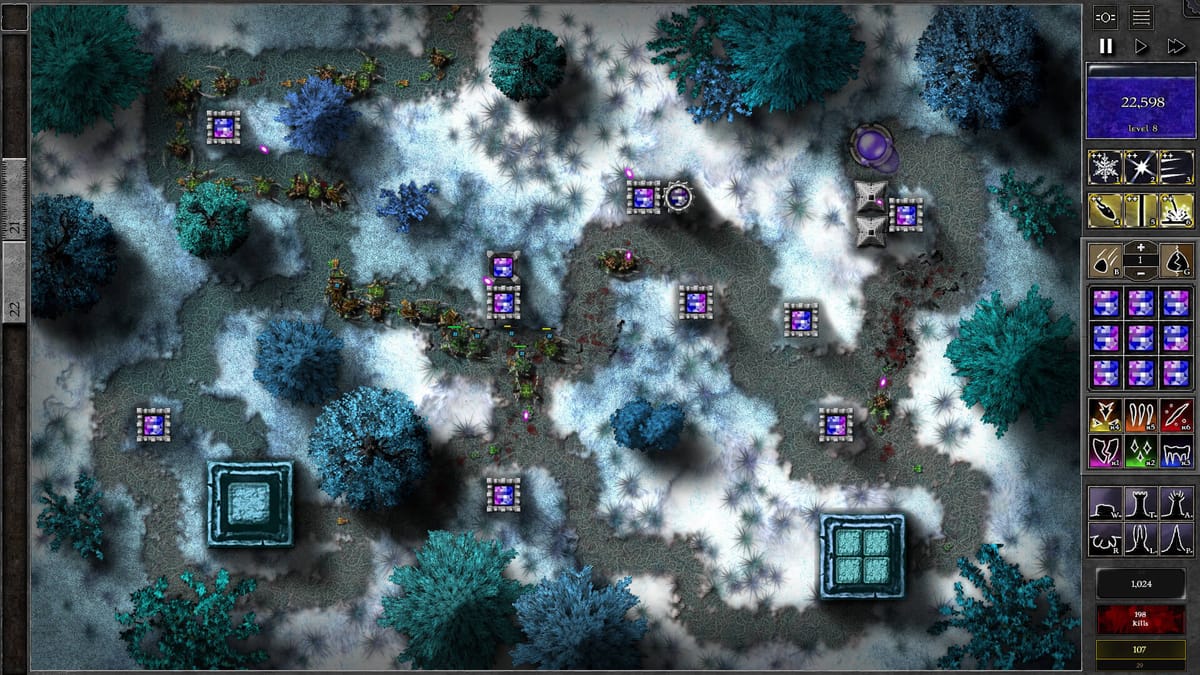
This is the clearest answer for players chasing brutal classic TD. The defense loop is pure lane defense built around gem combinations, kill-box shaping, and relentless wave scaling. You are not just placing towers. You are tuning damage types, range coverage, mana flow, and target priorities across a map that keeps asking whether your setup is actually stable or just barely surviving.
It fits this article because mistakes compound hard. A weak lane does not stay weak for long, and patching bad early decisions usually costs more than disciplined planning would have. Frostborn Wrath feels tactical first, with enough complexity to reward obsessive defenders who like solving maps through placement efficiency and upgrade sequencing.
Best for players who want hardcore tower defense in the strictest sense: lanes, towers, upgrades, and punishing waves. The tradeoff is obvious. It can be system-heavy, and its depth can feel more like workload than thrill if you prefer cleaner, faster arcade pacing.
Infinitode 2
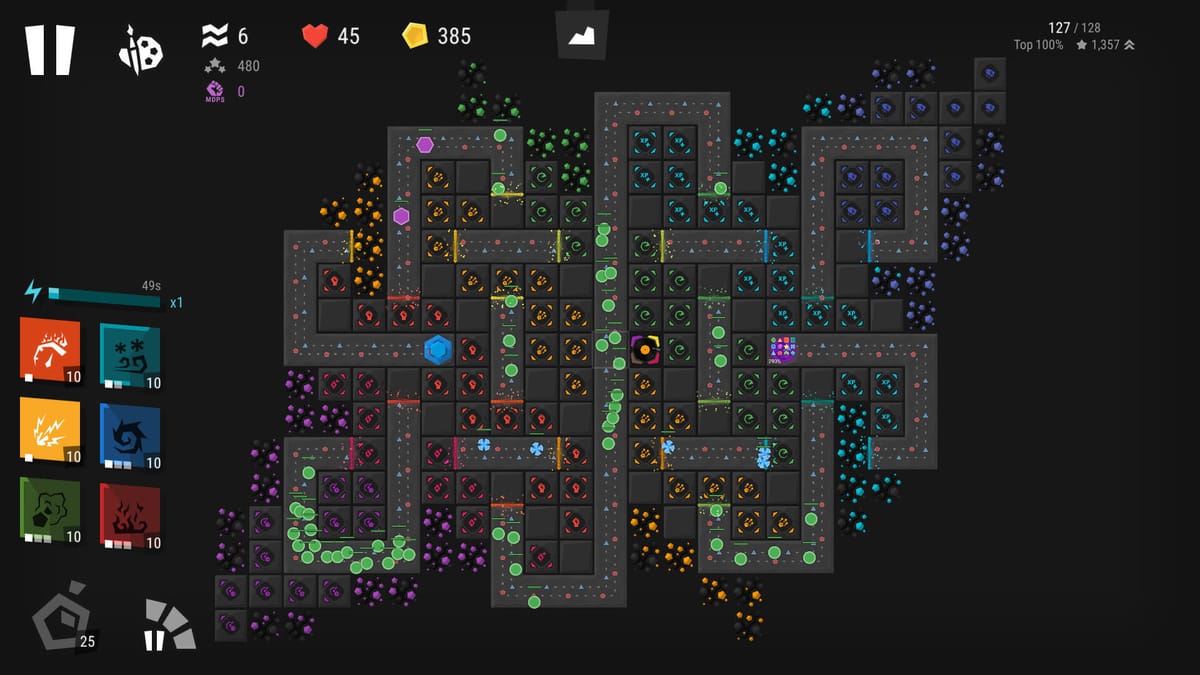
Infinitode 2 is for players who treat tower defense like an optimization lab. Its defense loop is classic lane defense stripped down to route shaping, tower specialization, and economic efficiency. You get a lot of control over map structure, and that means your failures are usually your own math, not a scripted surprise.
That is why it ranks this high. Hardcore difficulty here comes from how little the game hides. Bad DPS coverage, weak splash timing, poor maze logic, and inefficient upgrade priorities all show up fast once waves start scaling. It is one of the best difficult TD games for people who enjoy clean readability and repeat attempts with better planning.
The right player for this is someone who likes tactical precision more than spectacle. It is less about cinematic pressure and more about refining lane architecture until the whole map works. The main reason it may not click: the minimalist presentation and highly analytical pacing can feel dry if you want personality or a stronger arcade hook.
Rogue Tower
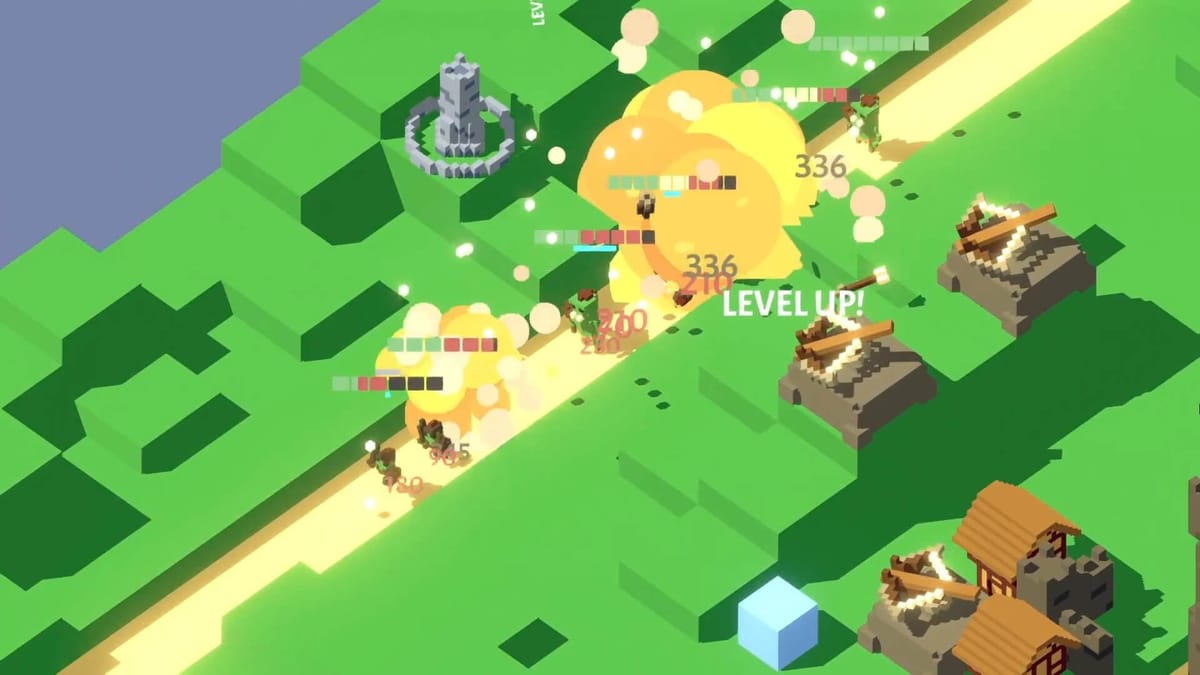
Rogue Tower is where hardcore lane defense starts feeling unstable on purpose. The defense loop still revolves around towers, route control, and wave management, but the expanding road structure adds chaos that never lets your defensive planning fully settle. You are constantly extending lanes, protecting new angles, and trying to prevent your map from outgrowing your economy.
It belongs near the top because it makes defensive greed dangerous. Build too narrowly and armor or air can break you. Spread too wide and the wave count overwhelms your upgrades. Good runs come from balancing immediate lane pressure against future route sprawl, and that pressure feels harsher than many traditional tower defense games.
This is a strong fit for players who want a more dynamic, high-tension version of classic TD. It leans tactical, but with enough volatility to feel close to survival defense at times. The tradeoff is consistency. If you want tightly authored maps and perfectly readable lane planning, Rogue Tower can feel too swingy.
Defense Grid: The Awakening
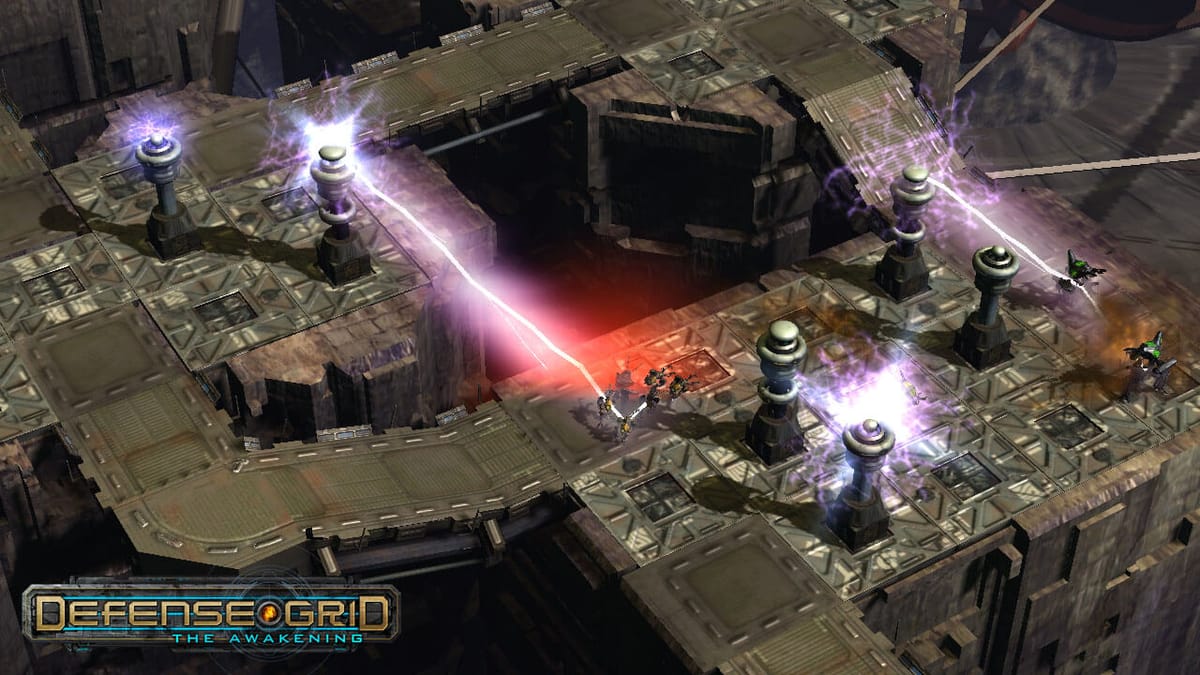
Some hardcore tower defense games bury you in systems. Defense Grid: The Awakening goes the other way. Its defense loop is disciplined lane control on carefully structured maps, where tower placement, route extension, and coverage overlap matter more than gimmicks.
That focus is exactly why it still belongs on a hardcore list. The game is readable, but not forgiving. You can see the lanes clearly, understand the chokepoints, and still lose because your upgrade order was late or your path manipulation created weak damage windows. It is one of the best hard tower defense games for players who want strict fundamentals instead of overwhelming complexity.
This fits tactical defenders who like solving maps through clean planning. It is less about surviving chaos and more about executing a stable defense under real resource pressure. The reason it may not click is simple: if you want giant meta systems, wild build variety, or base-defense sprawl, this is a more controlled and traditional experience.
Defense Grid 2
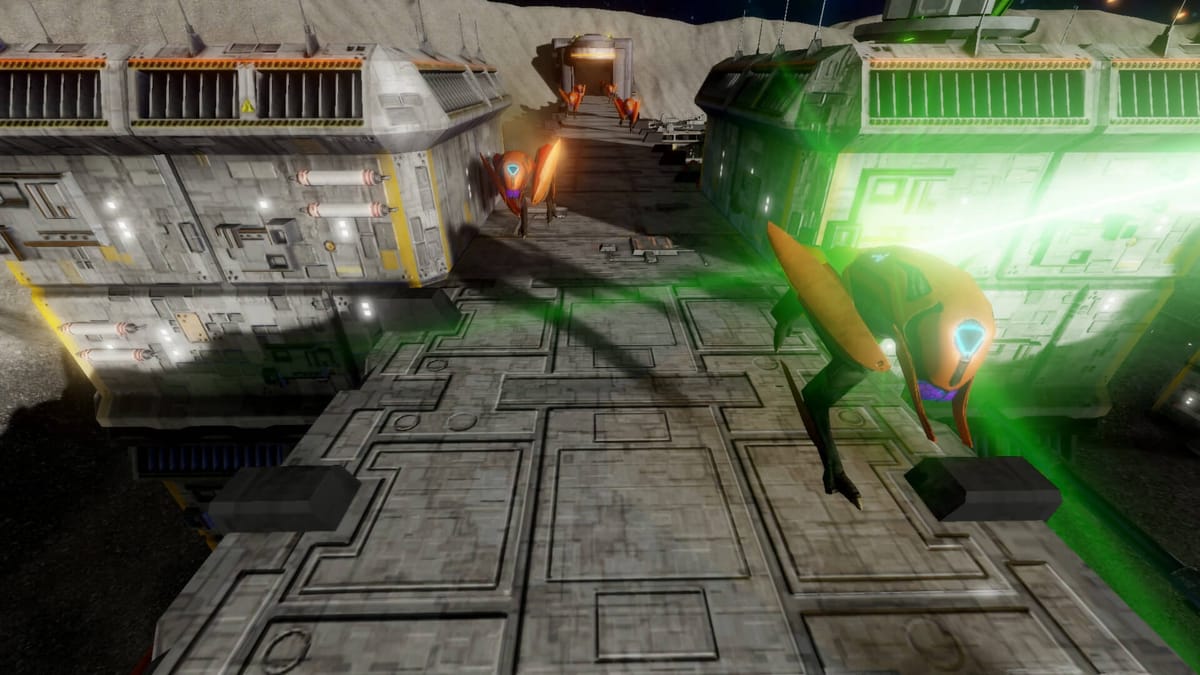
Defense Grid 2 keeps the same lane-defense foundation, then adds more ways to tune and stress-test your planning. The core loop remains structured route control, tower placement, and wave handling on maps designed around chokepoints and coverage puzzles. What changes is the flexibility around loadouts and defensive problem-solving.
It fits this list because it asks more from the player than a basic sequel pass would suggest. The maps still reward disciplined tower logic, but there is more room to misread pressure and overinvest in the wrong answer. It is a strong pick for players who like classic tower defense games with a sharper edge and a little more room to tailor how they approach lanes.
Who should pick this over the first game? Players who already like polished, readable lane defense and want that formula with broader tactical expression. The tradeoff is that some of its strength depends on already appreciating the Defense Grid style. If the first game’s clean, puzzle-like structure feels too restrained, this will not suddenly become chaotic or trap-heavy.
Dungeon Warfare 2
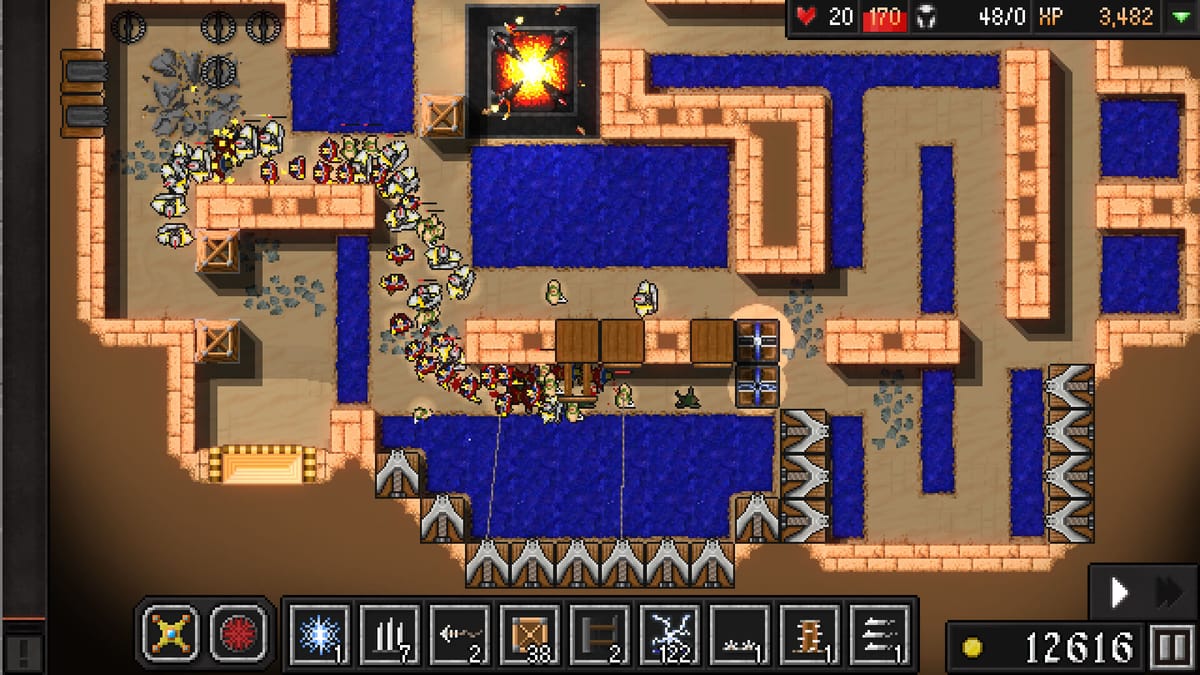
This is the trap-first answer on the list. The defense loop is still wave-based chokepoint defense, but instead of leaning on traditional lane towers, Dungeon Warfare 2 pushes you into layered trap setups, forced movement, environmental punishment, and long kill corridors. It is less about building a firing line and more about designing a machine that shreds anything pushed through it.
That makes it a real fit for this article even though it sits slightly off the pure tower lane model. On harder setups, trap placement errors are expensive, and bad corridor design means enemies leak before your engine ever gets rolling. It rewards defenders who enjoy synergy chains and positional cruelty more than simple tower spam.
Best for players who want hardcore defense planning with more hands-off brutality once the trap network is tuned. It leans tactical with an arcade edge. The tradeoff is thematic and structural: if you specifically want classic lane-heavy tower defense with straightforward tower rosters, this can feel like a different branch of the niche.
Bloons TD 6
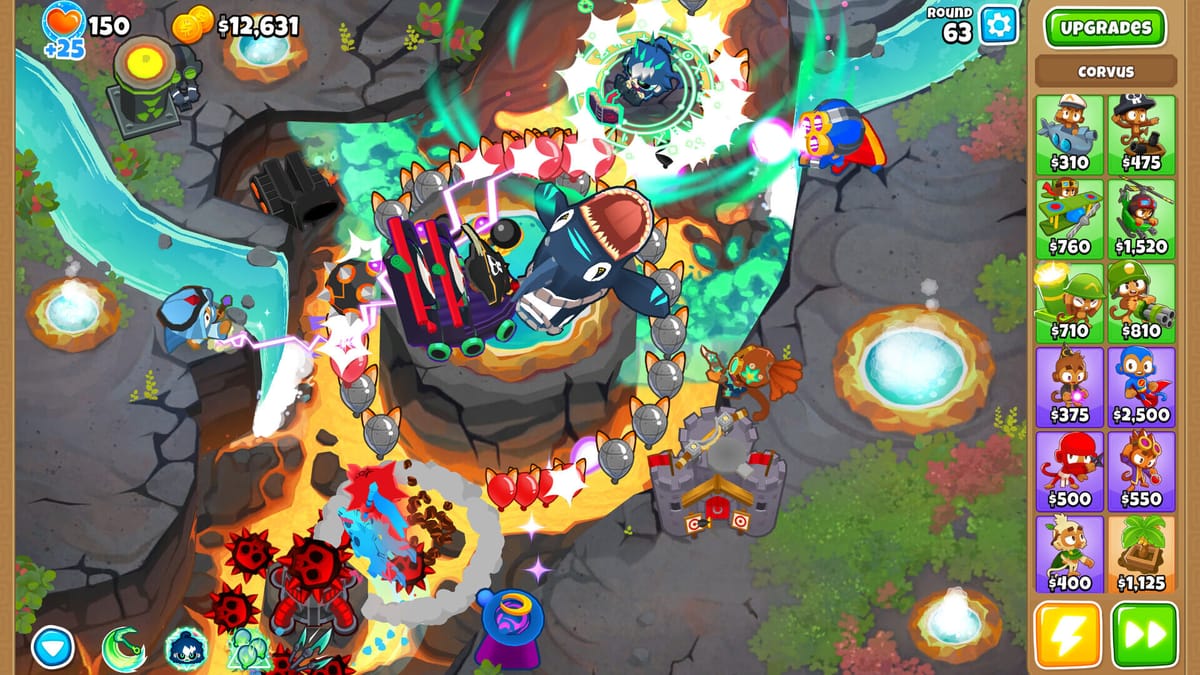
Bloons TD 6 is easier to underestimate than it should be. At a glance, it reads as colorful and approachable. At the high end, its defense loop becomes very demanding: lane control, tower synergies, hero timing, upgrade path commitment, and exact answers for mixed wave types.
It earns its spot because advanced challenge play is ruthless about inefficiency. Hardcore modes and harder maps expose every lazy placement and every overbuilt section of the track. Bloons is more arcade than the games above it, but the planning load is still serious once you move past casual clears and into runs where route coverage and upgrade timing have to be exact.
This is the right pick for players who want difficult tower defense games with strong readability and a huge amount of build experimentation. It may not click if you want a grim tone or a more obviously punishing presentation. The challenge is real, but the style can make it seem lighter than it is.
They Are Billions
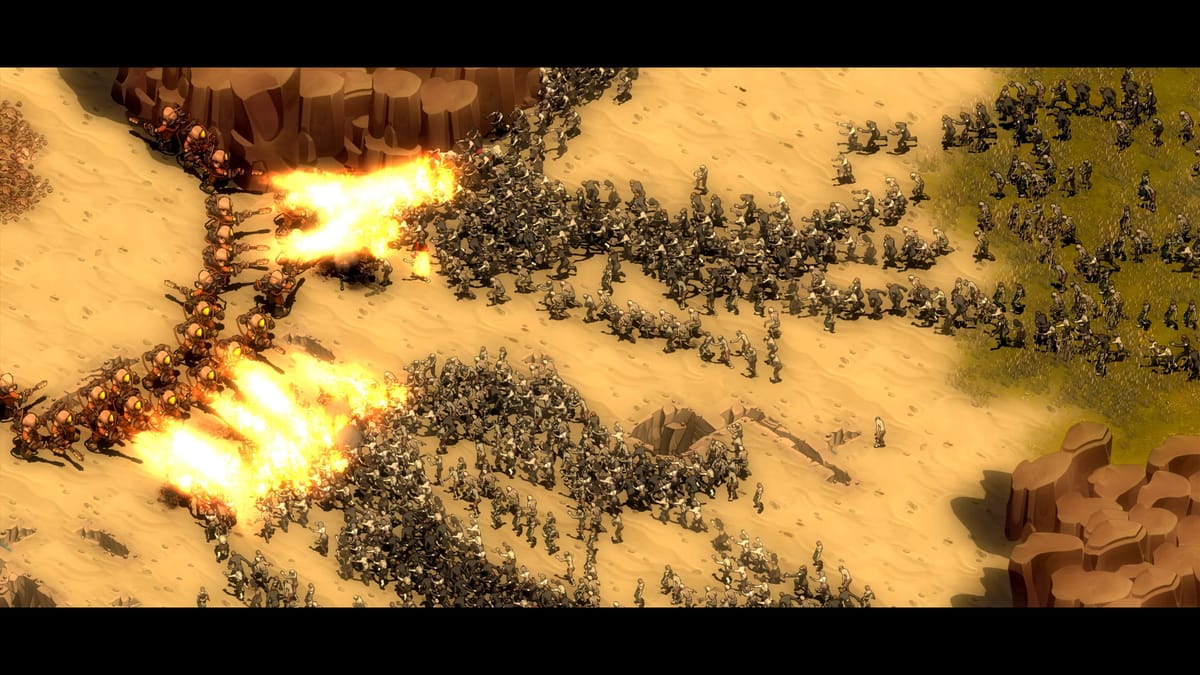
They Are Billions is not pure classic TD, but it absolutely belongs for players who define hardcore defense by pressure, perimeter integrity, and punishing wave collapse. The loop is base defense under escalating siege pressure: build walls, establish firing lines, secure expansion space, then survive attacks that can turn one breach into a total wipe.
Why include it in a classic-tower-defense article at all? Because at its best, it scratches the same lane-planning instinct through wall funnels, kill zones, and strongpoint placement. You are still shaping routes and concentrating fire, just on a broader settlement scale instead of fixed lanes. The punishment level is high enough that one blind side or underdefended approach can undo a long run.
This is best for survival-heavy defenders who want tower defense logic expanded into colony defense. The tradeoff is obvious: it is more base-heavy and slower to build than the games above it. If you want compact maps and immediate wave-solving, this is a partial fit rather than a pure one.
Cataclismo
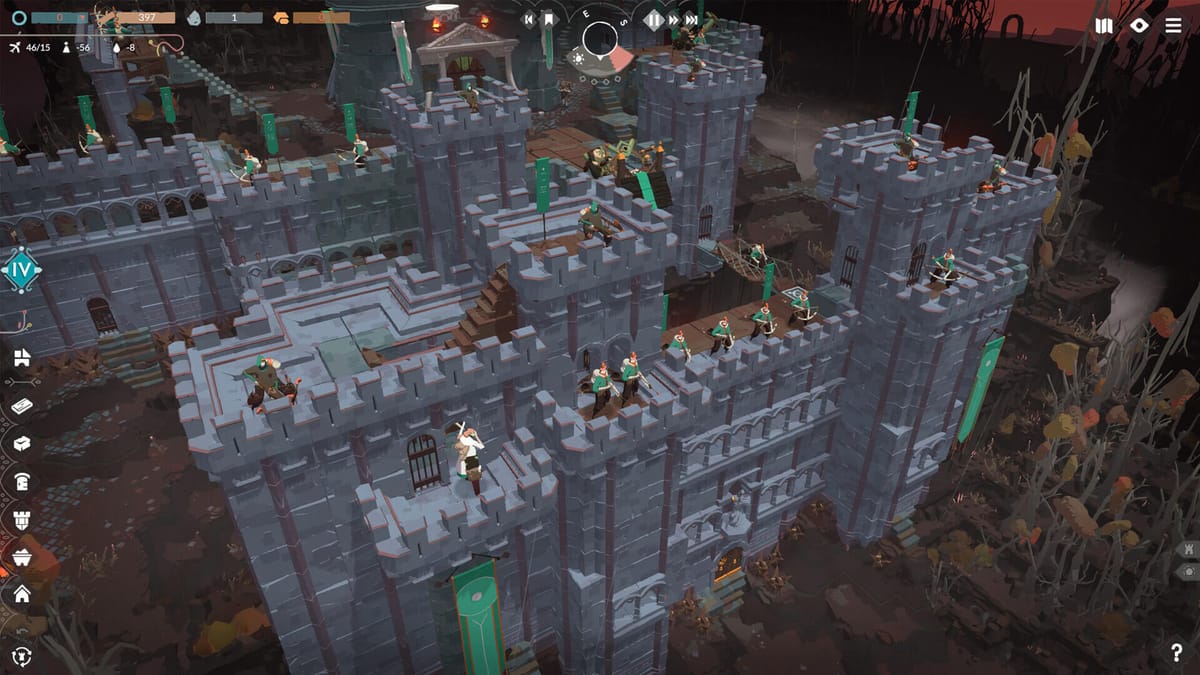
Cataclismo lives in the space between fortress construction and hold-the-line defense. The loop centers on building layered walls, elevated firing positions, and defensible paths before enemy waves crash into your structure. It is base-heavy, but still deeply about route control, chokepoints, and whether your defenses can survive repeated siege pressure.
It makes this list because the punishment is structural, not just numerical. Bad tower coverage is one thing; bad architecture is worse. A weak section of wall or a poorly supported platform can fail at the exact moment pressure spikes. That creates a harder kind of planning where the map, your build, and your firing angles all have to work together.
This is a strong pick for players who want a tactical defense game with more physical construction than standard tower grids. The downside is that it sits on the edge of the category. If your ideal hardcore TD is pure lane optimization with minimal building friction, Cataclismo may feel too focused on fortress design.
Mindustry
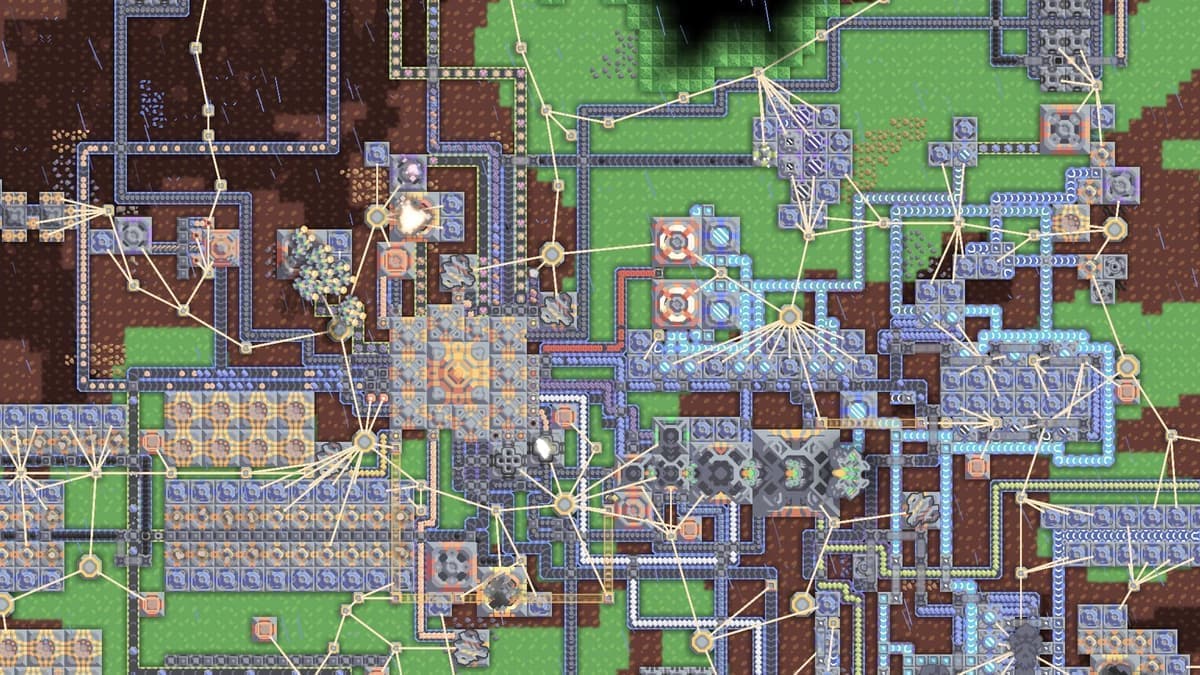
Mindustry is the most systems-heavy pick here and the most conditional recommendation. Its defense loop mixes base defense, lane denial, turret placement, supply routing, and industrial throughput. You are not just placing towers to stop waves. You are feeding an entire defensive machine while enemy pressure tests whether your logistics can keep your perimeter alive.
It fits because hard defense in Mindustry is about collapse chains. A weak power line, bad ammo routing, or overextended front can break the whole base faster than many traditional TDs break a single lane. It absolutely captures hardcore hold-the-line tension, just through a more technical, production-driven structure.
Pick this if you want defense strategy with real infrastructure pressure and do not mind drifting toward a hybrid. It is tactical and survival-heavy in equal measure. The tradeoff is category purity. Among these recommendations, this is farthest from classic lane-based tower defense, so it is best for players willing to trade map simplicity for deeper base systems.
Which type of player will enjoy these most
These games click hardest for players who already know basic tower defense habits and want less forgiveness. That means you care about why a lane failed, not just that it failed. You are fine restarting after a bad opening. You like seeing wave pressure expose weak coverage, poor route control, or greedy upgrades.
The best fit usually falls into one of three defender types:
- The lane optimizer: You want readable maps, efficient tower placement, and cleaner answers to harder waves. Start with GemCraft: Frostborn Wrath, Infinitode 2, or Defense Grid: The Awakening.
- The chaos manager: You like defense plans that have to adapt under pressure instead of staying solved. Go to Rogue Tower or high-difficulty Bloons TD 6.
- The fortress builder: You want walls, perimeter failure, and base survival under siege. That is where They Are Billions, Cataclismo, and Mindustry make more sense.
If you mainly want relaxed progression, flashy powers, or the ability to patch bad planning on the fly, this list is probably too harsh by design.
What matters most when picking your next game
For the best hardcore tower defense games, difficulty alone is not the point. The real question is what kind of punishment you want.
First, decide how structured you want the defense space to be. Fixed lanes and authored maps give you cleaner tactical reads. That pushes you toward Defense Grid, GemCraft, and Infinitode 2. If you want pressure from expansion, imperfect map control, or broader perimeter defense, the better picks are Rogue Tower, They Are Billions, or Mindustry.
Second, look at how much execution you want versus pure planning. Dungeon Warfare 2 and Bloons TD 6 can feel more arcade in motion, even when the planning burden is real. Infinitode 2 is almost pure optimization. Cataclismo asks for architectural thinking on top of wave defense, which is a different kind of mental load.
Finally, be honest about complexity tolerance. Some hard tower defense games are hard because the waves are cruel. Others are hard because the systems are deep enough that weak planning compounds over time. If you want the most direct route to punishing classic TD, start at the top of this list and move downward only if you want more hybrid structure.
FAQ
What makes a tower defense game feel hardcore?
Usually one of three things: punishing wave scaling, limited room to recover from weak placement, or systems deep enough that bad planning compounds. The best hardcore tower defense games do all three. They make lane control, upgrade timing, and route coverage matter from the start.
Which game here is the most pure classic tower defense pick?
GemCraft: Frostborn Wrath is the strongest pure fit. It is heavily lane-focused, upgrade-dense, and ruthless about weak defensive planning. Infinitode 2 and Defense Grid: The Awakening are close behind if you want cleaner structure.
Which one is best for players who like building kill boxes and chokepoints?
For fixed-lane control, go with Defense Grid: The Awakening or Defense Grid 2. For a broader fortress-defense version of that feeling, They Are Billions and Cataclismo do it through walls, funnels, and perimeter shaping.
Are all of these pure tower defense games?
No. The top half is much closer to classic tower defense. The lower entries lean into base defense or hybrid hold-the-line structure. They are included because the defensive identity still centers on waves, chokepoints, strongholds, and punishing collapse when your setup is wrong.
Which game here is hardest to recommend blindly?
Mindustry. It is excellent, but highly specific. If you want logistics, industrial routing, and base-defense pressure, it can be perfect. If you want straightforward lanes and towers, it is farther from the classic TD core than the rest.
Takeaway
The best hardcore tower defense games are the ones that make defensive mistakes expensive and force real planning before the wave hits. Start with GemCraft: Frostborn Wrath or Infinitode 2 for the strongest classic fit, move to Rogue Tower for harsher instability, and only drop into the lower-ranked hybrids if you want that same punishing hold-the-line pressure on a bigger base-defense scale.