Best Tower Defense Games With Base Building
The best tower defense games with base building if you want walls, fortifications, and stronger settlement-style defense on top of waves and lane pressure.
Best Tower Defense Games With Base Building
The best tower defense games with base building push past simple lane coverage. You are not just dropping towers near a path. You are shaping kill zones, sealing weak edges, managing economy, and keeping a real base alive under siege pressure.
These picks are for players who want fortifications to matter. Some are survival-heavy colony defenses, some are action-defense hybrids, and some lean harder into walls, choke control, and perimeter planning than classic TD ever does. Every game here has a real hold-the-line loop at its center.
Quick take
- They Are Billions is still the clearest recommendation if you want full colony defense with brutal perimeter pressure and wall-first planning.
- Riftbreaker is the best pick for players who want base defense plus direct combat, active repair, and action-heavy siege response.
- Mindustry fits builders who care about production chains as much as turret arcs and want defense tied directly to logistics.
- Cataclismo is one of the strongest modern choices if your ideal defense game is all about elevation, walls, and layered fortress design.
- Lower on the list, Thronefall, Border Pioneer, and Creeper World 4 are more niche picks, but each nails a specific kind of base-defense tension.
The 10 picks
They Are Billions
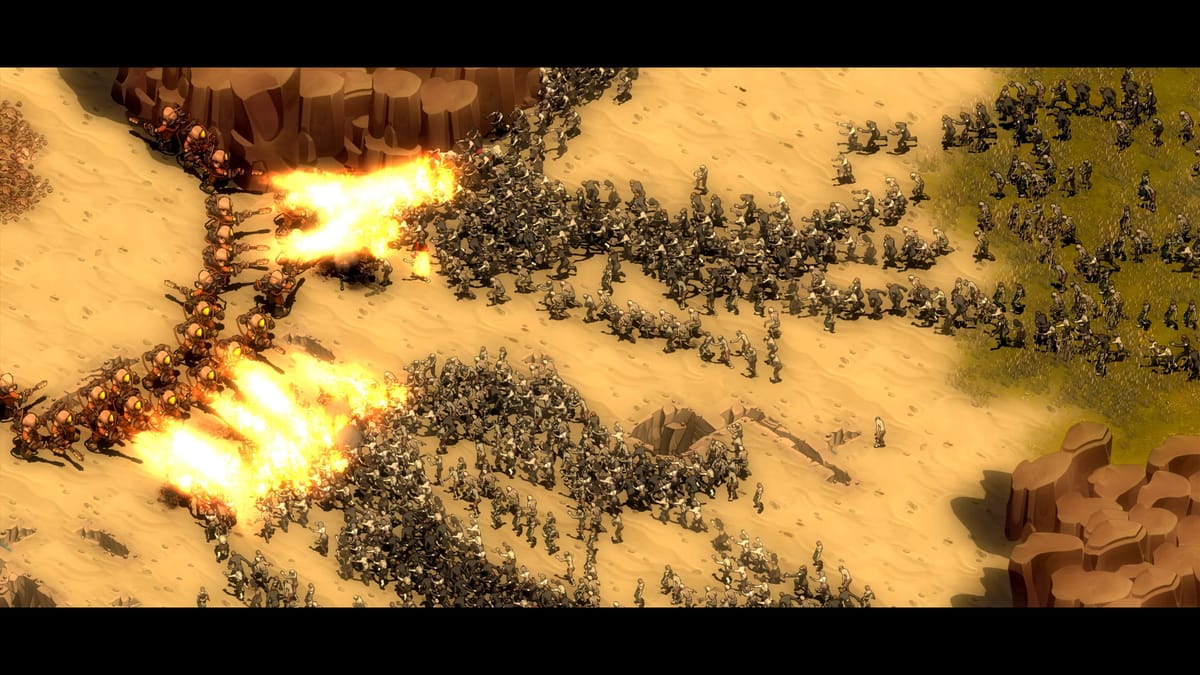
This is the benchmark for survival-heavy base defense. The whole loop is about expanding just enough to fund your defenses, then hardening your colony before the infected crash into your walls from every angle. Towers matter, but they only work because your perimeter, choke control, and economy are doing their jobs.
It fits this list better than almost anything because base building is not side content here. Housing layout, power coverage, wall layers, sniper lines, and fallback positions all feed into one question: can your settlement survive the next wave without one breach turning into total collapse? That is exactly the kind of fortification-first pressure players usually mean when they search for the best tower defense games with base building.
Best for tactical players who want structure, punishable mistakes, and visible escalation. It especially clicks if you like long setup phases that lead to high-stakes final defenses. The tradeoff is obvious: it is harsh. One gap in your wall or one badly defended edge can erase a strong run fast, so it will not click if you want a forgiving defense sandbox.
Riftbreaker
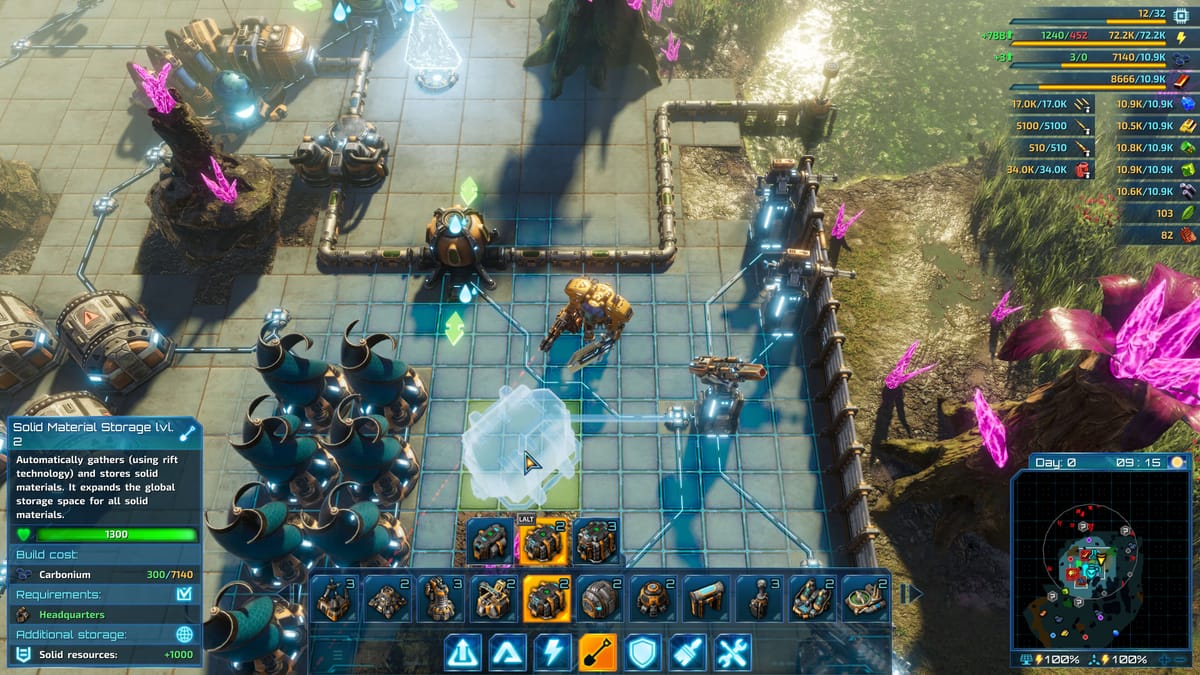
Riftbreaker leans action-heavy, but its defense loop is absolutely base-first. You build outposts, route power, place turrets and walls, and defend production lines while piloting a mech that can personally plug leaks, clear pressure, and stabilize bad fights. It feels like a base defense game where the commander is physically on the field.
Why it ranks this high is simple: the defensive planning is still doing the heavy lifting. You are protecting infrastructure, not just surviving random fights. Turret clusters, repair coverage, chokepoints, and resource pipelines all matter because enemy waves target the machine you are building. The active combat adds tempo, but the backbone is still fortification under recurring siege.
This is the pick for players who want hold-the-line gameplay without giving up direct action. If static defense alone feels too passive, Riftbreaker solves that. The tradeoff is that it is less pure than a lane-locked TD. If you want cleaner map readability and stricter tower-defense structure, the action layer can feel busy.
Mindustry
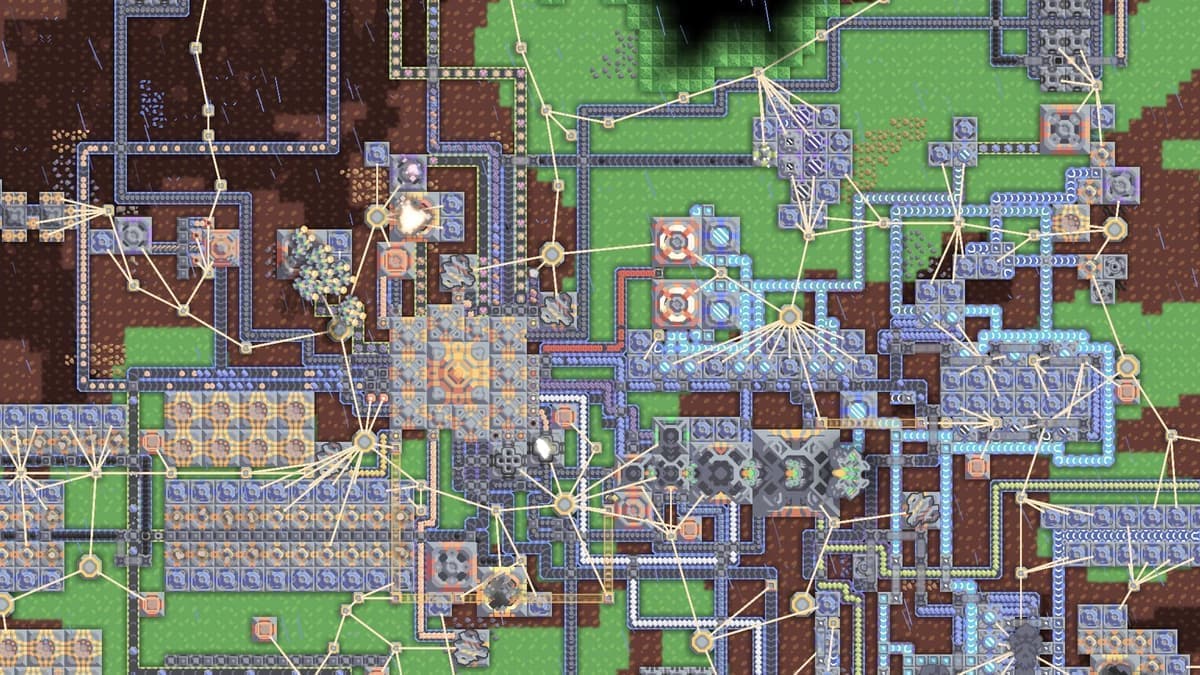
Mindustry is for players who think production is part of defense, not prep work before defense. Conveyor lines, resource routing, ammo supply, power flow, and turret placement all lock together, so your base survives only if your logistics survive. It is one of the strongest examples of base management and tower defense actually sharing the same core loop.
That makes it a perfect fit for this article. Fortifications here are not just walls and guns; they are systems. A defensive line without steady throughput fails. A strong turret cluster without power fails. A base that expands without protected supply lines fails. The result is a tighter, more mechanical form of perimeter defense than most games in the niche.
It suits tactical builders who like clean efficiency, readable systems, and constant optimization under wave pressure. It is less about dramatic cinematic sieges and more about engineering a defense that can feed itself. The real tradeoff is that it can feel colder than colony-focused base defenders. If you want the fantasy of defending a lived-in settlement, this is more industrial stronghold than survival town.
Cataclismo
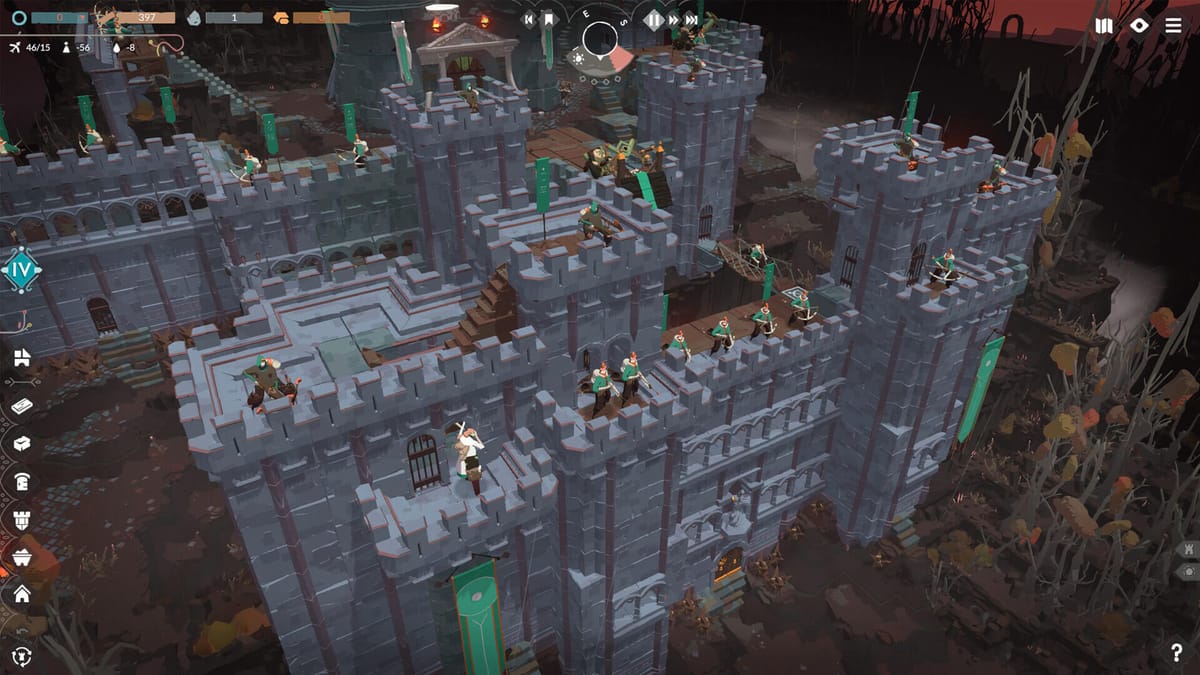
Cataclismo puts walls at the center in a way very few defense games do. You are not dropping generic barriers and moving on. You are building vertical fortifications, elevated firing platforms, layered ramparts, and deliberate choke structures that shape how the horde reaches your base. It is fortress design as the main event.
That is why it belongs near the top. In many base building tower defense games, walls are support pieces for the turrets. Here, wall architecture is the defense plan. Height, line of fire, breach points, and structural layout all change how well your stronghold holds. It feels closer to defending a custom-built castle than managing abstract tower lanes.
This is the right pick for players who want tactical readability and a strong construction identity. If your favorite part of defense games is turning terrain and structure into a killing field, Cataclismo nails that. The tradeoff is pacing: it is more deliberate and construction-focused than arcade TD players may want, especially if you prefer nonstop wave action over thoughtful build phases.
Diplomacy Is Not an Option
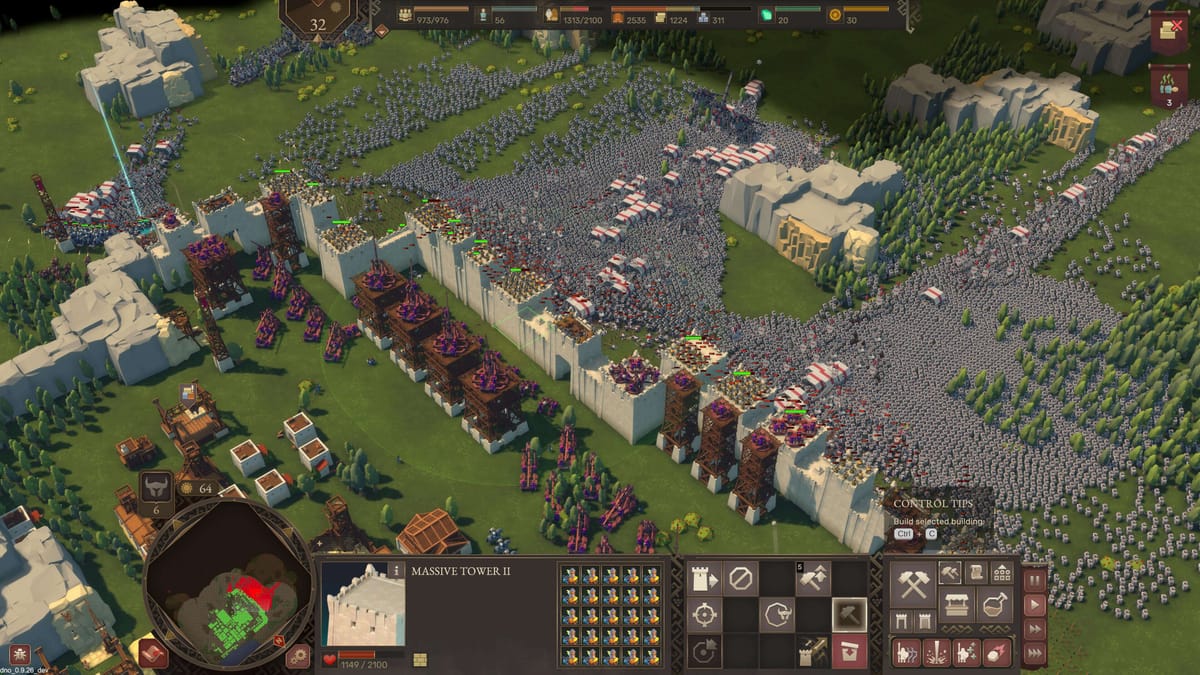
This game goes wider and louder than the picks above. The loop is still base defense, but with more emphasis on massed enemy waves, town expansion, and broad perimeter planning than on compact lane efficiency. You are building walls, towers, and military infrastructure while trying to keep a vulnerable settlement from getting buried under sheer numbers.
It fits this list because the pressure comes from defending an actual growing base, not just solving fixed combat puzzles. You need enough economy to sustain expansion, enough fortification to survive impact, and enough troop support to keep towers from being overrun. It sits in a useful middle ground between colony defense and spectacle-heavy siege survival.
Best for players who want a little more chaos and scale in their hold-the-line games. If you enjoy seeing a defense plan tested by huge swarms rather than precision lane timing, this is a strong match. The tradeoff is that it is less tightly tuned and less structurally clean than the top picks. Sometimes the appeal is the scale itself, not perfect tactical neatness.
Rise to Ruins
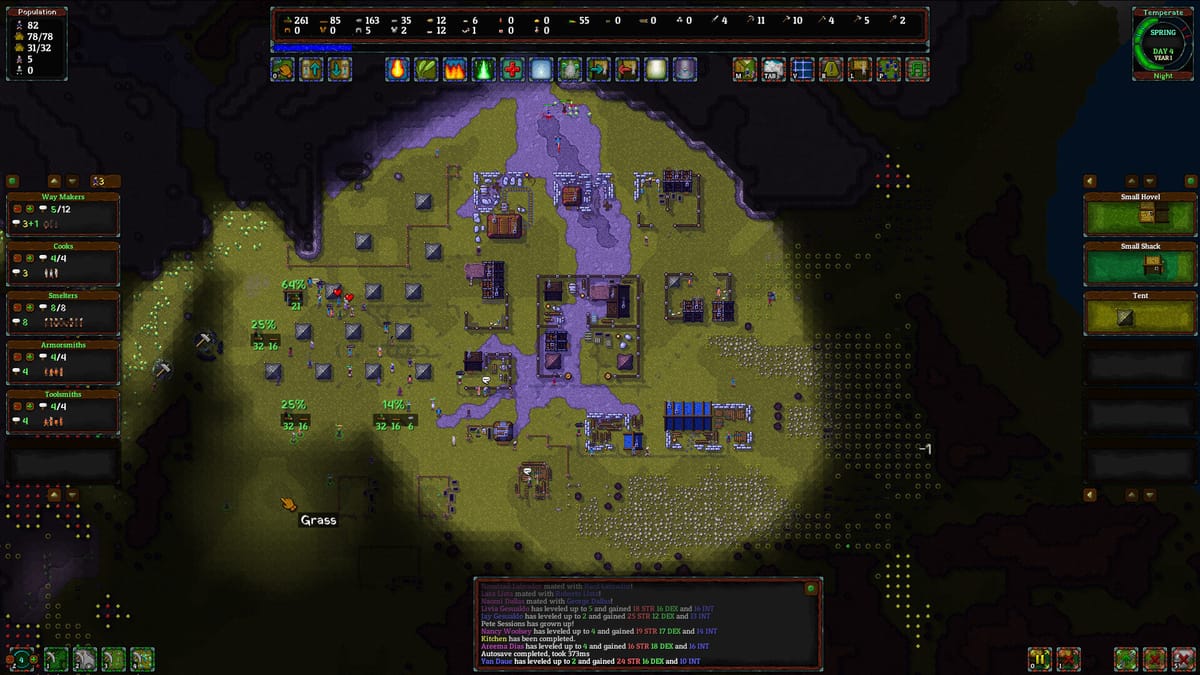
Rise to Ruins is a village defense game with a heavier colony-survival feel than most of this list. You build a settlement, protect its perimeter, and try to hold off growing nightly threats using towers, walls, and direct godlike support powers. The defense loop is less about formal lanes and more about keeping a fragile settlement functioning while the danger escalates.
That makes it a solid fit for players who want base survival to feel messy and systemic. The town itself matters. Housing, food, production, and defensive coverage all feed into whether your people can endure repeated attacks. It is one of the more settlement-minded games here, which helps if you want fortifications attached to a living colony rather than a pure combat grid.
This one is best for survival-heavy players who enjoy juggling defense with settlement upkeep. The tradeoff is consistency. It can feel more improvised and less sharply structured than players who prefer strict chokepoint engineering may want. If you want clean lane defense, this is not that. If you want a base under constant strain, it lands better.
Age of Darkness: Final Stand
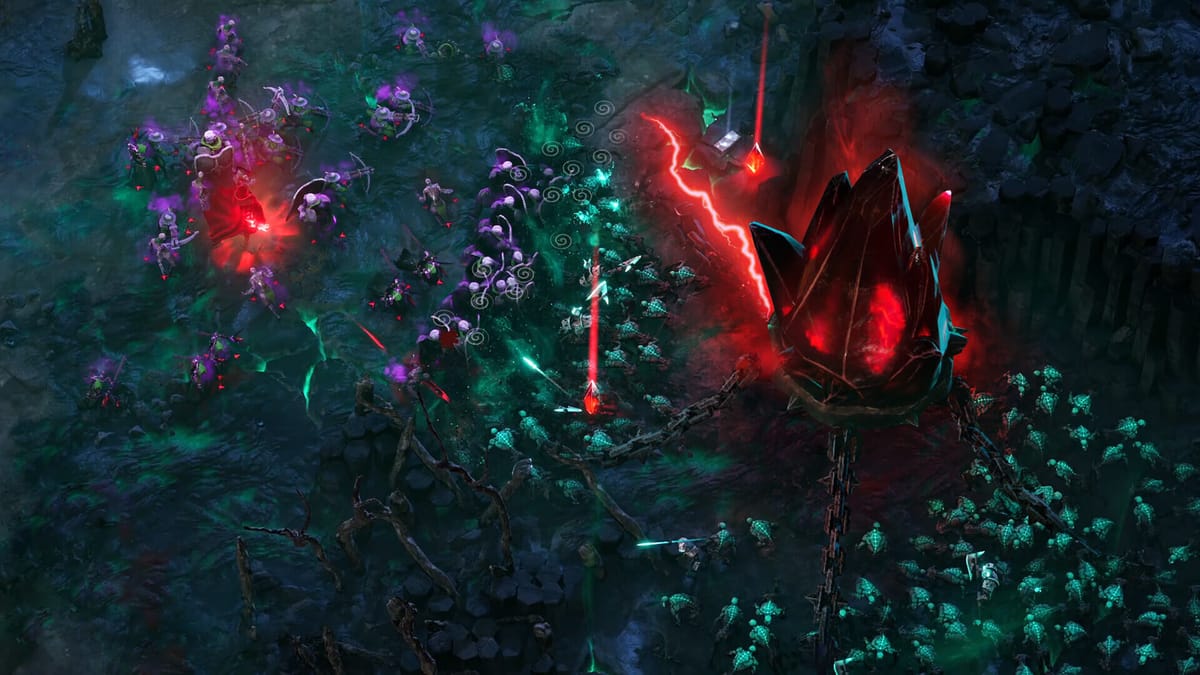
Age of Darkness: Final Stand is built around surviving repeated siege phases while expanding a dark-age fortress economy between them. You secure space, build walls and towers, and prepare for major assault windows that test whether your outer layers and unit support can absorb real pressure.
Its place on this list comes from how strongly it sells fortified survival. The base is not decorative, and the waves are not minor interruptions. You are trying to keep a settlement alive through escalating attack cycles where placement, wall integrity, and defensive depth matter more than fancy micro. It has a heavier survival-defense tone than classic TD, but the hold-the-line loop is real.
This is for players who like grim atmosphere, expansion under risk, and defensive prep that leads to big payoff moments. The tradeoff is that it can feel more campaign-survival than pure tower defense. If you want dense trap interactions or highly stylized lane control, it may read as too broad and army-supported.
Thronefall
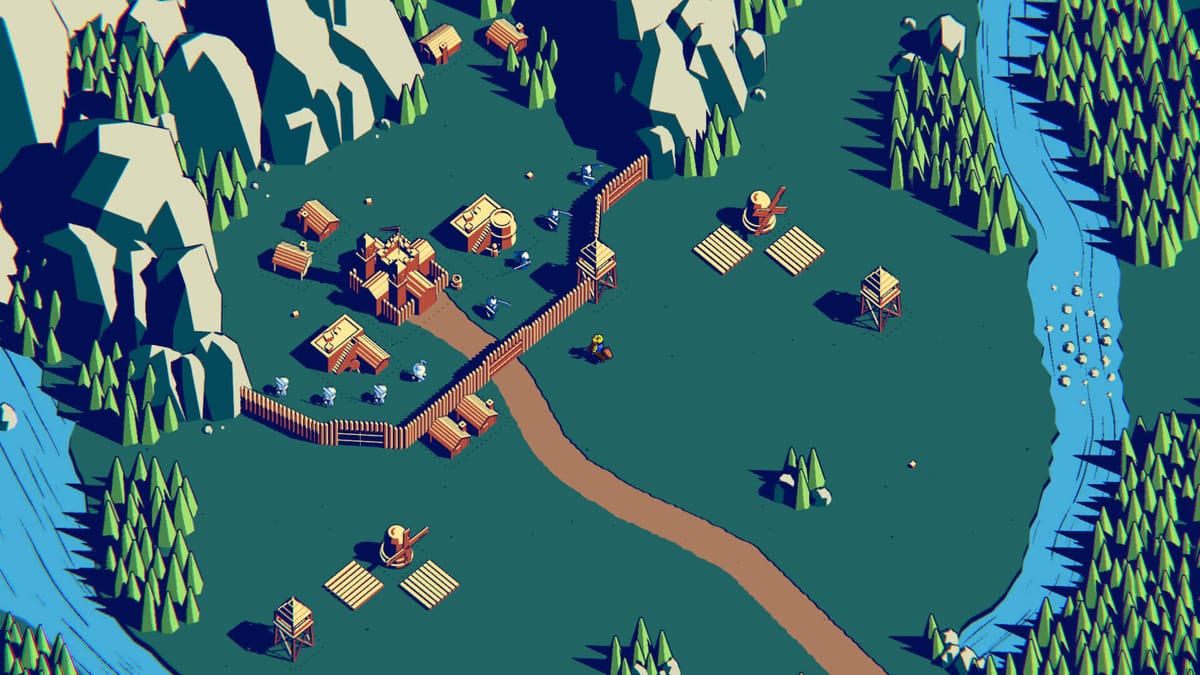
Thronefall strips the genre down to a cleaner, faster defense loop. You build a compact base, decide how to spend limited resources on walls, towers, and economy, then ride into the fight yourself when the wave hits. It is one of the most readable action-defense hybrids on the list.
Why it earns a spot here is its clarity. Every build decision changes how your base survives the next night. The fortification loop is simple but meaningful: reinforce the vulnerable edge, invest in income at the right time, and create enough defensive shape that your active hero can finish the job. It does not have the deep colony management of higher-ranked picks, but it absolutely understands hold-the-line design.
Best for players who want a lighter, more arcade-leaning version of base defense without losing walls and settlement protection. The tradeoff is depth. If you want long-form base planning, layered logistics, or dense fortification systems, Thronefall is intentionally lean.
Border Pioneer
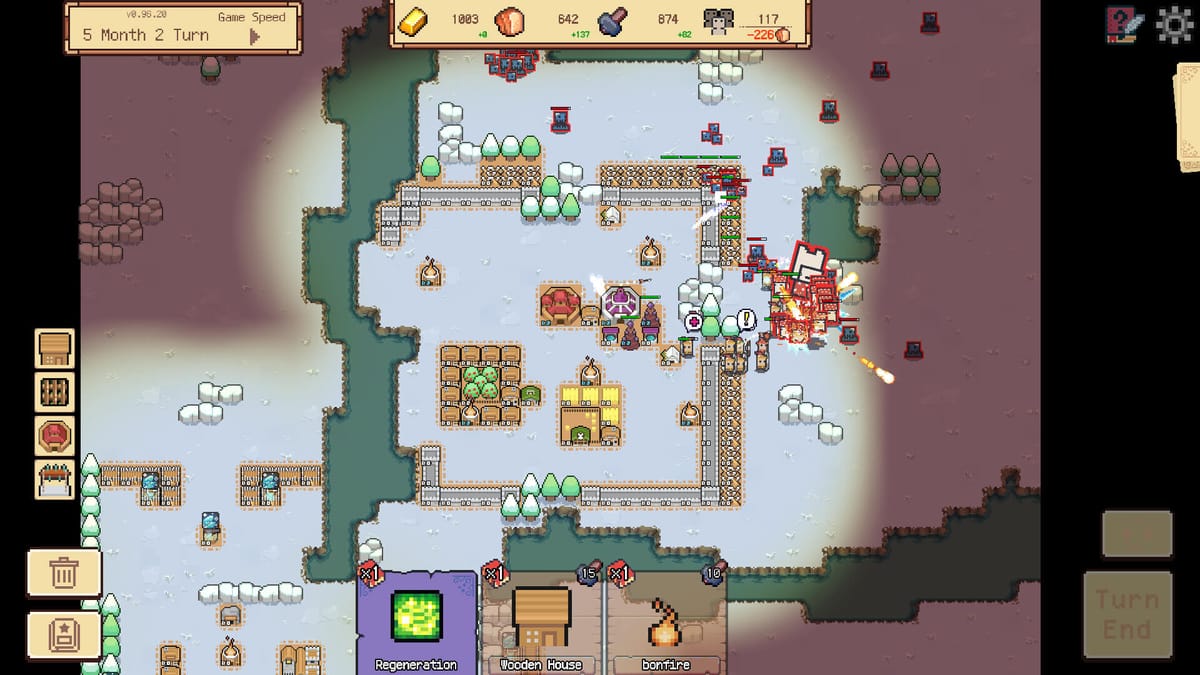
Border Pioneer sits lower because it is more specific in taste, but the core fit is real. The game mixes settlement expansion, card-driven building choices, and defensive preparation as you establish frontier outposts that need to withstand incoming pressure. The tension comes from building a base that can function and survive, not just from winning isolated combat rounds.
Its place in this article comes from that outpost-defense identity. You are developing a perimeter, placing military structures with purpose, and making tradeoffs between growth and survivability. It has more improvisation than a classic tower defense game, but the base under threat is still the heart of the experience.
This is best for players who enjoy lighter structure, repeated runs, and a more modular approach to base management. The tradeoff is that it is a partial fit compared with the leaders above. If you want heavy fortification detail or strict lane engineering, it may feel too loose.
Creeper World 4
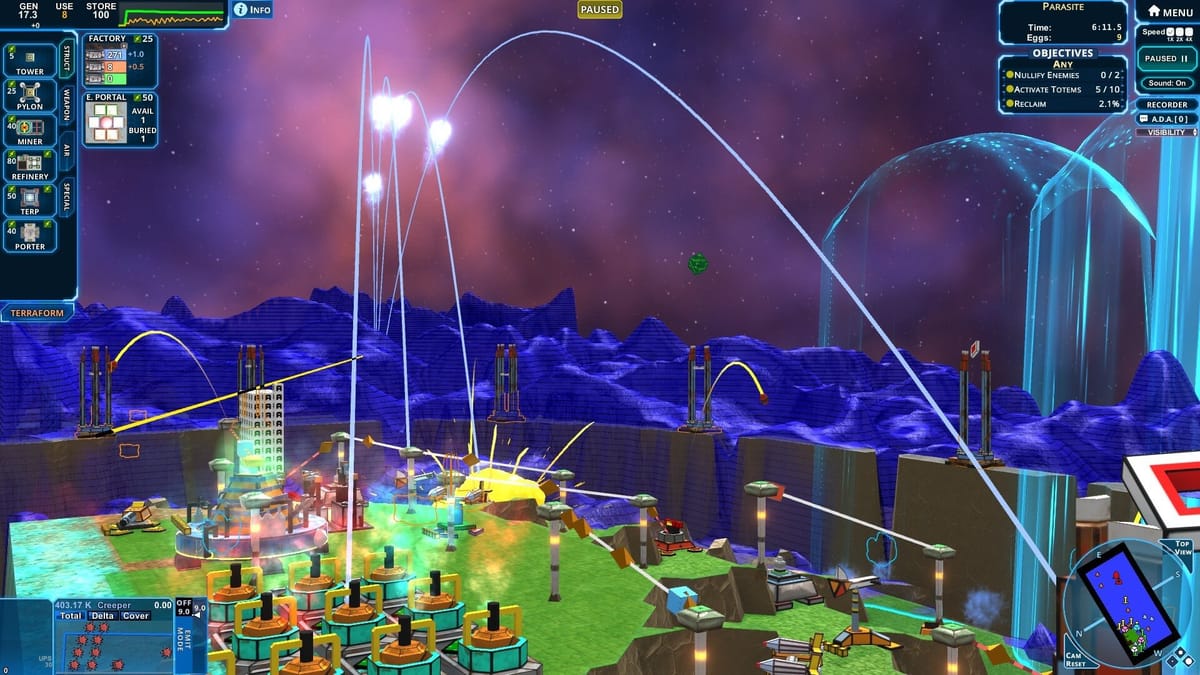
Creeper World 4 is the strangest pick here, but it earns its spot because defense planning is everything. Instead of stopping standard enemy units moving down lanes, you are containing and pushing back against fluid environmental pressure. Your base survives through positioning, elevation use, expansion timing, and carefully staged defensive lines.
It fits this list because it still scratches the same base-defense itch: build outward, secure critical ground, create durable firing positions, and stop your infrastructure from being drowned by constant threat. The form is unconventional, but the hold-the-line loop is extremely strong. You are always thinking about fronts, pressure points, and where your next stable perimeter actually is.
This one is for players who want a more tactical systems puzzle than a traditional siege fantasy. The tradeoff is obvious: it does not deliver castle walls, colony life, or standard tower-defense lane flow. It belongs here as a niche recommendation, not the first pick for someone chasing classic fortifications.
Which type of player will enjoy these most
These games click best for players who think defense starts before the wave arrives. If your ideal run involves wall placement, fallback lines, power coverage, tower overlap, and deciding which edge of the base can safely stay weak for one more night, this list is pointed at you.
The top picks split into clear styles:
- Survival-heavy base defenders: They Are Billions, Age of Darkness: Final Stand, Rise to Ruins
- Action-heavy hybrids: Riftbreaker, Thronefall
- Systems and logistics builders: Mindustry, Creeper World 4
- Fortress architecture and wall-focused players: Cataclismo
- Broader colony siege players: Diplomacy Is Not an Option
- Lighter, more modular settlement defense players: Border Pioneer
If you mainly want fixed lanes, frequent tower upgrades, and minimal base management, classic TDs will fit better. These games are for players who want the base itself to be the problem.
What matters most when picking your next game
The first question is not difficulty. It is what kind of defense structure you want to manage.
If you want hard perimeter survival, start with They Are Billions. If you want base defense with direct combat, go with Riftbreaker. If you want factory logic tied to turrets, Mindustry is the cleanest answer. If you want walls and fortress geometry, choose Cataclismo.
A common mistake is chasing “tower defense with base building” and ending up with something that is too broad, too army-driven, or too loose on fortifications. Look for where the pressure actually lands. The best fits put stress on your walls, your economy, your tower coverage, or your infrastructure every few minutes. If the base could be swapped out for generic map control and little changes, it is probably not the right kind of game for this specific mood.
Also pay attention to readability versus chaos. Some of these games are clean and deliberate. Others are about surviving noise, scale, and cascade failures. Neither is better. They just scratch different defensive instincts.
FAQ
What is the best tower defense game with base building overall?
For most players, They Are Billions is still the safest overall pick. It has the clearest mix of colony expansion, wall building, chokepoint defense, and punishing wave pressure.
Which game here has the strongest fortification and wall-building focus?
Cataclismo is the most wall-centric recommendation on the list. Its defensive identity is built around fortress structure, verticality, and firing lines rather than just placing stronger towers.
What should I play if I want more action with my base defense?
Riftbreaker is the best fit if you want to actively fight while managing a defended base. Thronefall is another strong option if you want that idea in a leaner, faster format.
Which of these is best for players who like logistics and base management?
Mindustry is the clear choice. Its defenses depend on supply lines, power, and production, so base management is inseparable from tower performance.
Are these more like classic tower defense or more like survival strategy?
Mostly the latter. These are tower defense games with fortifications, colony pressure, and stronger base survival loops. Some lean close to classic TD, but all of them make the base itself central to the defense plan.
Takeaway
The best tower defense games with base building are the ones where fortifications actually carry the run. They Are Billions, Riftbreaker, and Mindustry are the strongest starting points, while the rest of the list covers more specific flavors like wall-heavy fortress design, action-defense, and logistics-driven base survival.