Best Base Defense Games
The best base defense games where fortification, survival pressure, and holding the line matter more than pure lane-based tower placement.
Best Base Defense Games
The best base defense games put your walls, choke points, and perimeter planning under constant pressure. This list is for players who want fortification and hold-the-line gameplay to matter more than neat lane layouts or pure tower placement.
These picks cover colony defense, survival-heavy stronghold building, trap-supported base defense, and hybrid action-defense where you still live or die by your perimeter. Some are brutal and macro-focused. Others are faster, cleaner, or more experimental. All of them keep the defensive loop front and center.
Quick take
- They Are Billions is still the clearest pure recommendation if you want settlement fortification, wall pressure, and catastrophic breach tension.
- Riftbreaker is the best pick for players who want active combat layered onto serious base and perimeter defense.
- Mindustry is the strongest systems-heavy option if logistics, production lines, and feeding your defenses matter as much as tower placement.
- Cataclismo and Diplomacy Is Not an Option are excellent if your ideal defense game starts with walls, elevation, and kill-zone design.
- Thronefall, Creeper World 4, and Border Pioneer are more specialized picks, but each earns a spot for a distinct hold-the-line loop.
The 10 picks
They Are Billions
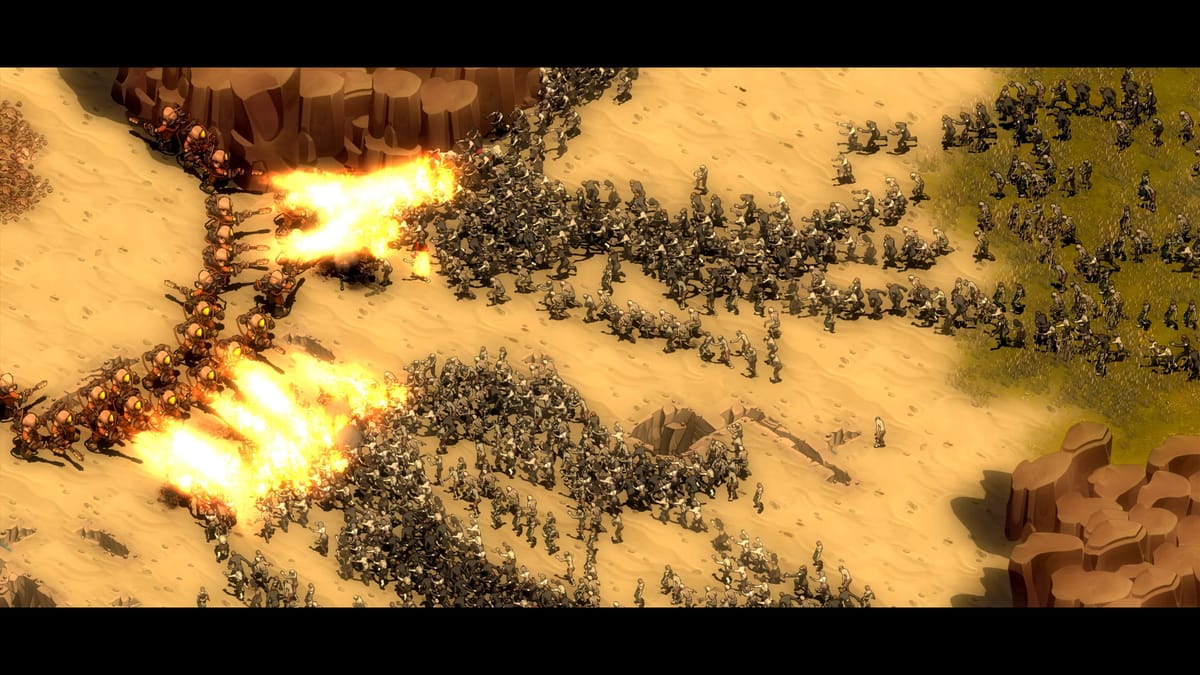
This is the safest top pick because the entire game is built around colony survival under siege pressure. You expand for resources, lock down approach angles, layer walls and towers, and try to avoid the one breach that turns into a full collapse. Few games sell base defense pressure this well.
Its defensive identity is survival-heavy and base-first. You are not just placing damage structures and watching waves path in. You are building a living perimeter around a vulnerable economy, then reinforcing it as the map gets tighter and the infected mass gets louder. Chokepoints matter. Wall thickness matters. Map edge control matters. The game constantly asks whether your colony can survive one more attack while still growing enough to survive the final one.
It fits this article perfectly because protecting the settlement is the core fantasy, not a side system. This is one of the best games about defending a base when you want fortification and wave pressure to drive every major decision.
Best for tactical players who enjoy clean map reads, slow-burn tension, and punishing punishment for sloppy expansion. The tradeoff is obvious: it can be unforgiving to the point of cruelty. One mistake, one missed angle, one late wall layer, and an otherwise strong run can unravel fast.
Riftbreaker
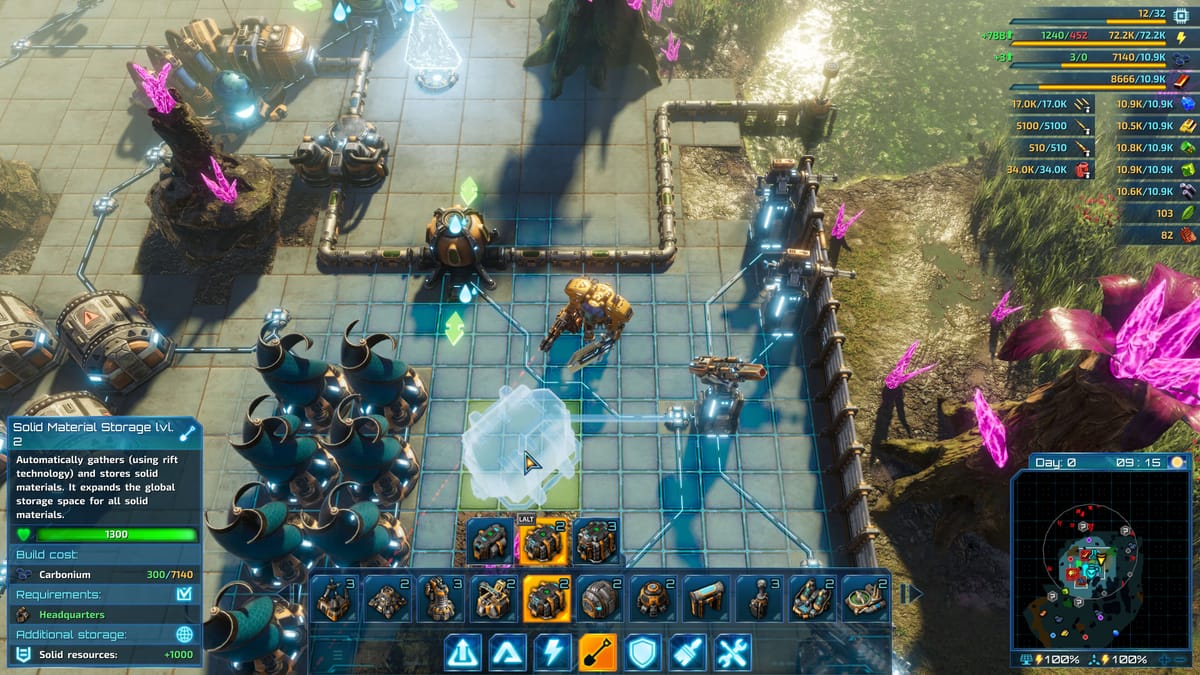
Riftbreaker takes a base-defense backbone and pushes it into action-heavy territory. You are still building perimeter walls, power grids, turrets, and resource infrastructure, but you are also a direct part of the defense loop. The mech is not decoration. It is a mobile answer to breaches, overrun flanks, and early pressure before static defenses are fully online.
What makes it rank this high is how well the active and structural defense layers reinforce each other. You build kill zones, manage range overlap, protect your economy, and respond to wave timing, but you also physically fight on the line. That creates a different rhythm from more passive colony defense games. It is faster, louder, and more hands-on without abandoning the core job of defending a base under escalating siege pressure.
This is a strong fit for players who want base defense with real agency during attacks. If you dislike sitting back while your structures do all the work, Riftbreaker fixes that. It is still about the perimeter. It just gives you a mech to plug the holes yourself.
The tradeoff is that it is less about pure macro tension than the best survival-heavy colony defense games. If you want a slower, harsher fortification simulator where every wall segment feels final, this may feel a bit too action-forward.
Mindustry
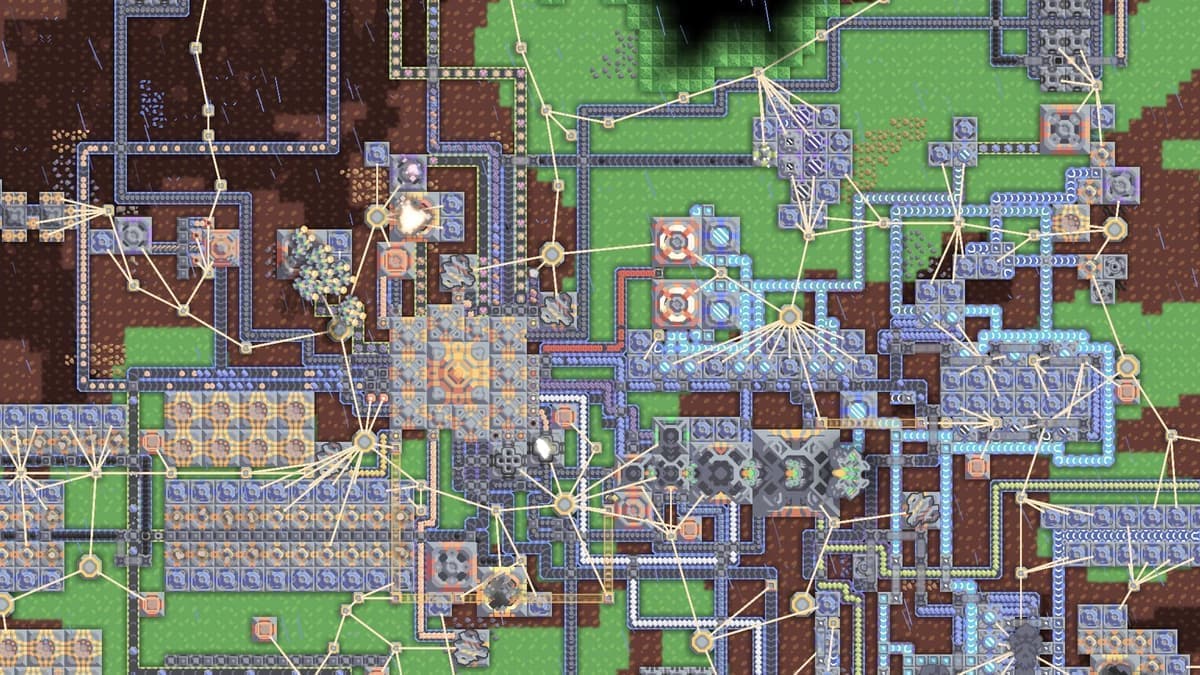
Mindustry earns a top-three spot because its base defense loop is inseparable from logistics. Your towers, walls, repair structures, and front-line survival all depend on feeding a functioning production network. Defense is not just where you place guns. It is whether the whole machine behind them keeps running under pressure.
That gives the game a different defensive texture from more straightforward siege titles. The map becomes a supply web with vulnerable routes, power demands, ammo flow, and expansion risk. You are defending a base, but also defending the system that allows the base to fight at all. Lanes exist, waves matter, and chokepoints are important, yet the real skill is building a resilient war economy that does not stall when pressure spikes.
It belongs here because few games tie fortification to infrastructure this tightly. For the right player, that makes it one of the best defense strategy games in the broader base-defense space rather than a simple turret spam game.
Best for systems-minded defenders who like optimization, readable production chains, and watching a fortified network scale into a machine of war. The main reason it may not click is that its logistics layer can overshadow the immediate fantasy of walls and desperate last stands. If you want more castle-siege texture and less factory brain, look higher on the list.
Cataclismo
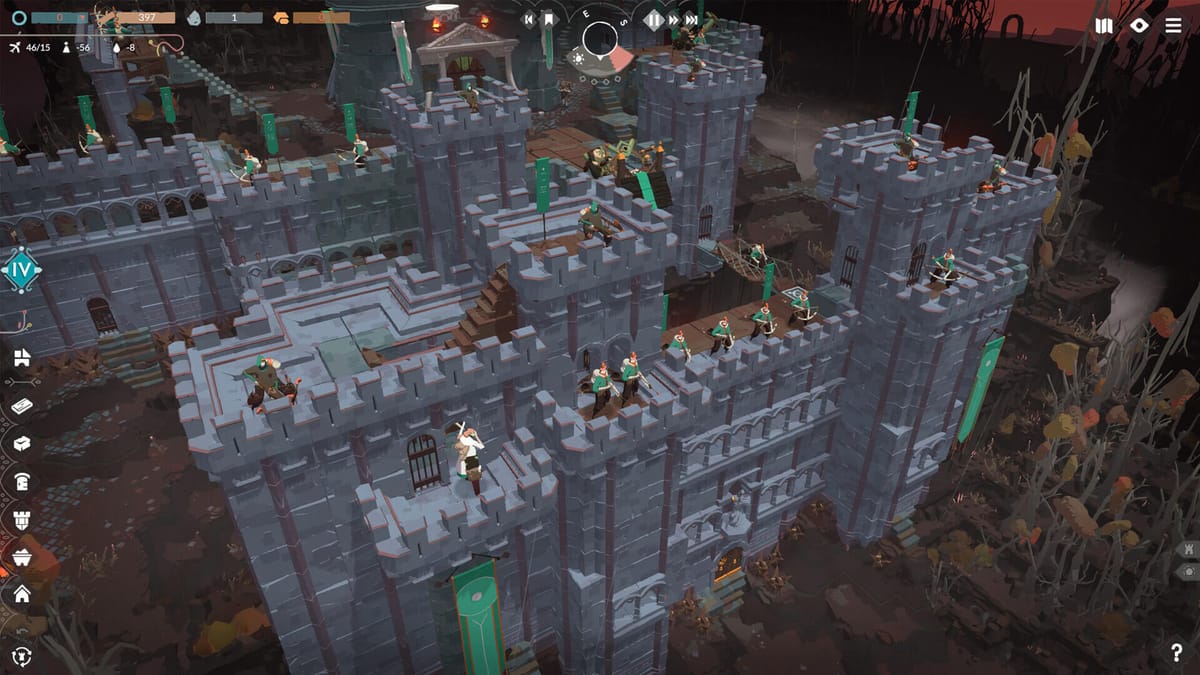
Cataclismo is all about structural defense. You build upward, shape walls manually, create firing lines with elevation in mind, and design a fortress that has to survive nightly pressure. That tactile sense of construction is the hook. You are not dropping prefab answers onto a grid and calling it defense.
The game fits this list because fortification itself is the gameplay language. Height, support, line of sight, and layered fallback positions matter in a very direct way. You can feel the difference between a rushed barrier and a properly planned stronghold. The result is base defense with a strong architectural identity, where building the hold point is just as important as arming it.
This is a great fit for tactical players who enjoy slower planning, readable siege lines, and the satisfaction of turning terrain into a fortress. It also works well for players who want a more handcrafted defense loop than the more industrial or economy-heavy games above.
The tradeoff is pacing. Cataclismo is more deliberate than chaotic. If you want constant pressure or action-heavy defense where you're always scrambling at the edge of collapse, this can feel measured rather than frantic.
Diplomacy Is Not an Option
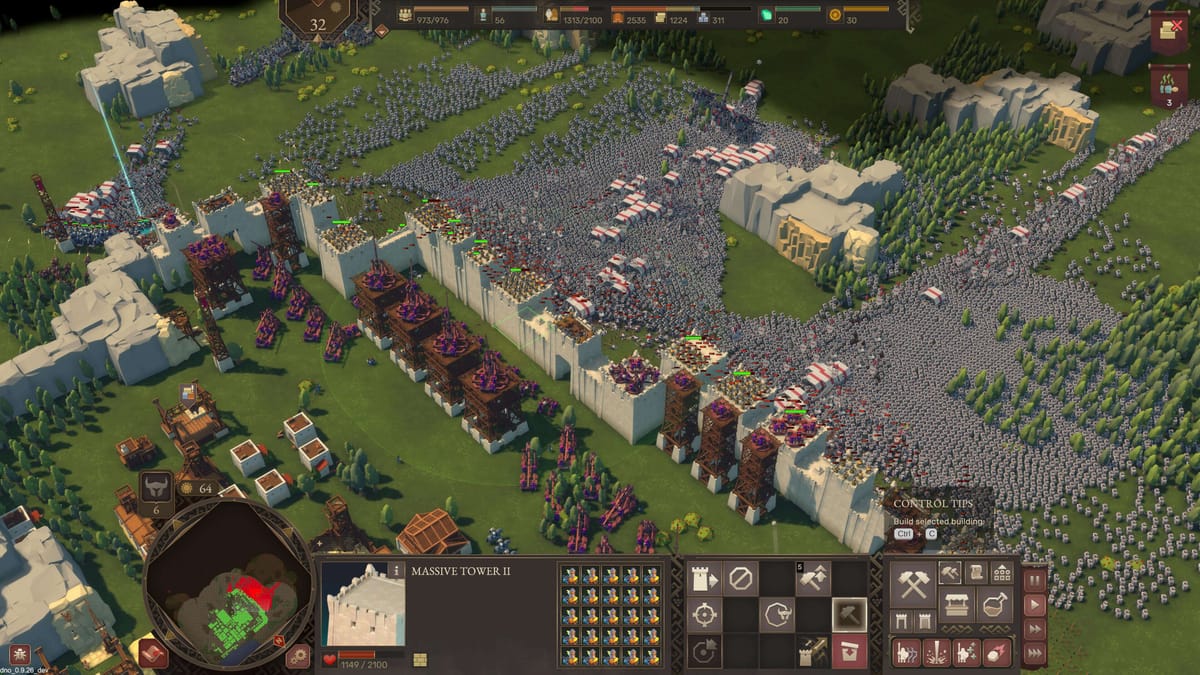
This one leans into spectacle without losing the core base-defense loop. You are building walls, towers, and defensive lines against huge medieval swarms, trying to hold a settlement together while balancing economy and military needs. The appeal is immediate: massed enemies, visible choke points, and a strong sense that your fortifications either hold or fail in dramatic fashion.
Its style is survival-heavy, but more accessible and punchy than the very harsh end of the genre. You spend a lot of time preparing defensive layers, setting ranged positions, and bracing for the next flood. It is less intricate than some higher-ranked picks, but it communicates siege pressure extremely well. That clarity matters in a list about the best base defense games.
For players who want big wave defense with obvious wall-and-tower fantasy, this is an easy recommendation. The defensive planning is readable, the pressure is front-facing, and the game does not hide what it wants from you: build fast, fortify smart, survive the crush.
The tradeoff is that it can feel broader and less exacting than the top tier. If you want the tightest systems depth or the most granular defensive control, the games above it have more staying power.
Age of Darkness: Final Stand
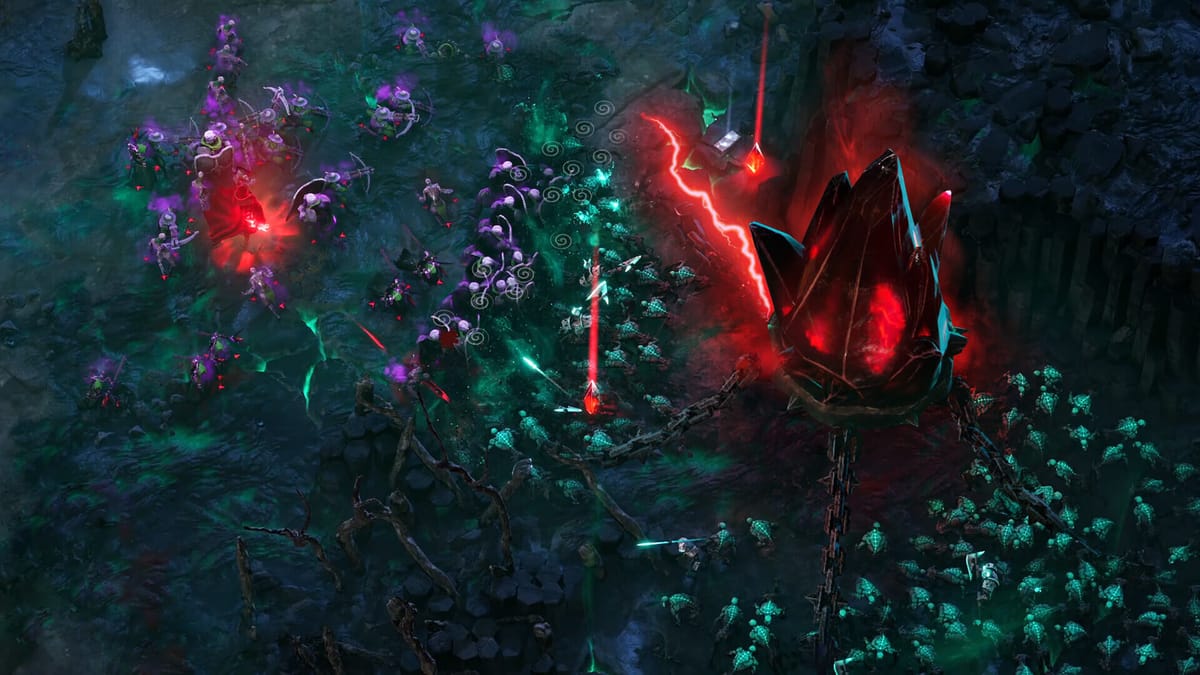
Age of Darkness: Final Stand is built around surviving recurring night assaults while developing a fortified settlement that can absorb increasingly nasty pressure. The strongest part of its defense loop is tempo. Daytime is expansion and setup. Nighttime is judgment. Your walls, towers, troop positioning, and base layout get tested on schedule.
That structure makes it a strong fit for players who like a reliable cycle of build, reinforce, and endure. It has a clear hold-the-line identity, and the atmosphere pushes the siege fantasy well. You are not just growing a town. You are preparing a stronghold for the next stress test.
Why it ranks mid-list instead of higher: the base-defense appeal is real, but it sits slightly closer to survival RTS than the very best pure base-defense picks here. The defense loop is central, yet some players may find that army management shares too much of the spotlight compared with games where static fortification is more dominant.
Best for players who want dark-fantasy base survival with recurring wave structure and visible wall pressure. It may not click as hard if you specifically want trap-heavy or tower-centric defense over broader settlement warfare.
Rise to Ruins
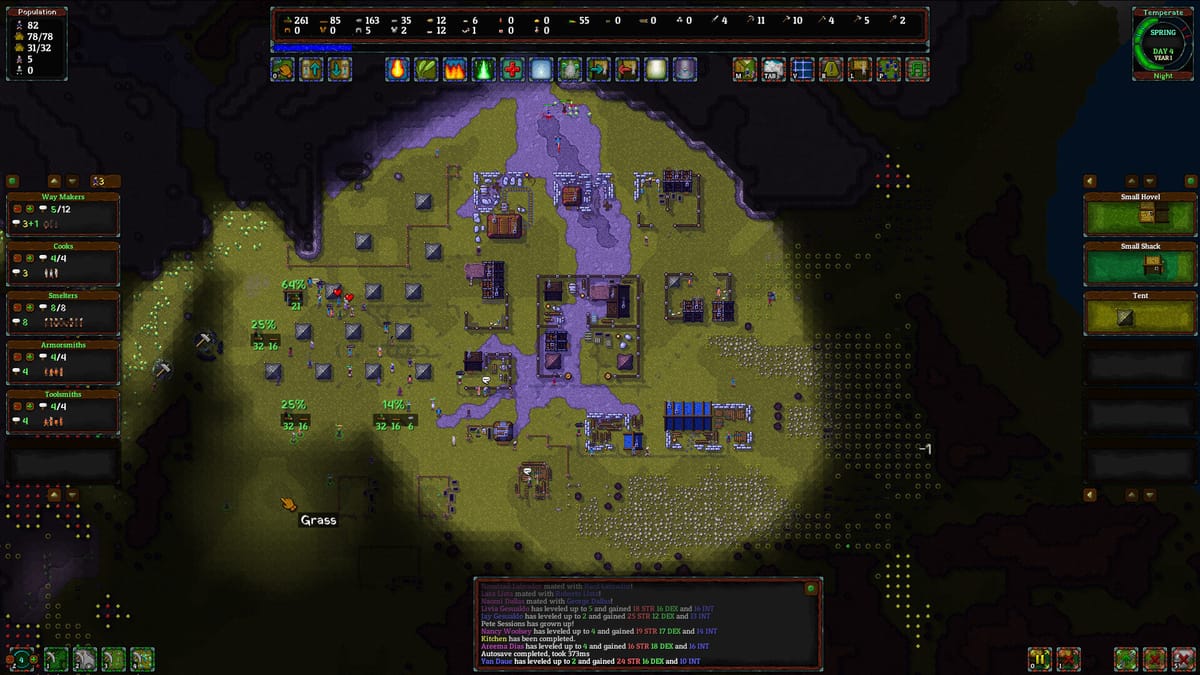
Rise to Ruins is the most village-survival oriented game on this list, but it belongs because base protection is still the point. You build and sustain a settlement under nightly attacks, place defenses, shape the perimeter, and try to keep a fragile ecosystem alive long enough to stabilize. It is less about one perfect fortress blueprint and more about maintaining a defensible colony over time.
The defensive loop here is survival-heavy with a strong management layer. You are balancing villager needs, economy growth, and defensive readiness while making sure the settlement does not get chipped apart by recurring pressure. The result feels more organic than rigidly lane-based. That can be a strength if you want base defense with a living-colony feel.
This is a better fit for players who enjoy base survival and village stewardship as much as direct fortification. If your favorite part of defense games is watching a vulnerable settlement gradually harden into a functioning bastion, Rise to Ruins gets that right.
The tradeoff is focus. Compared with the games above, the defense layer can feel less immediate and less sharply expressed. If you want cleaner siege readability and more direct wall-versus-wave drama, there are stronger picks.
Thronefall
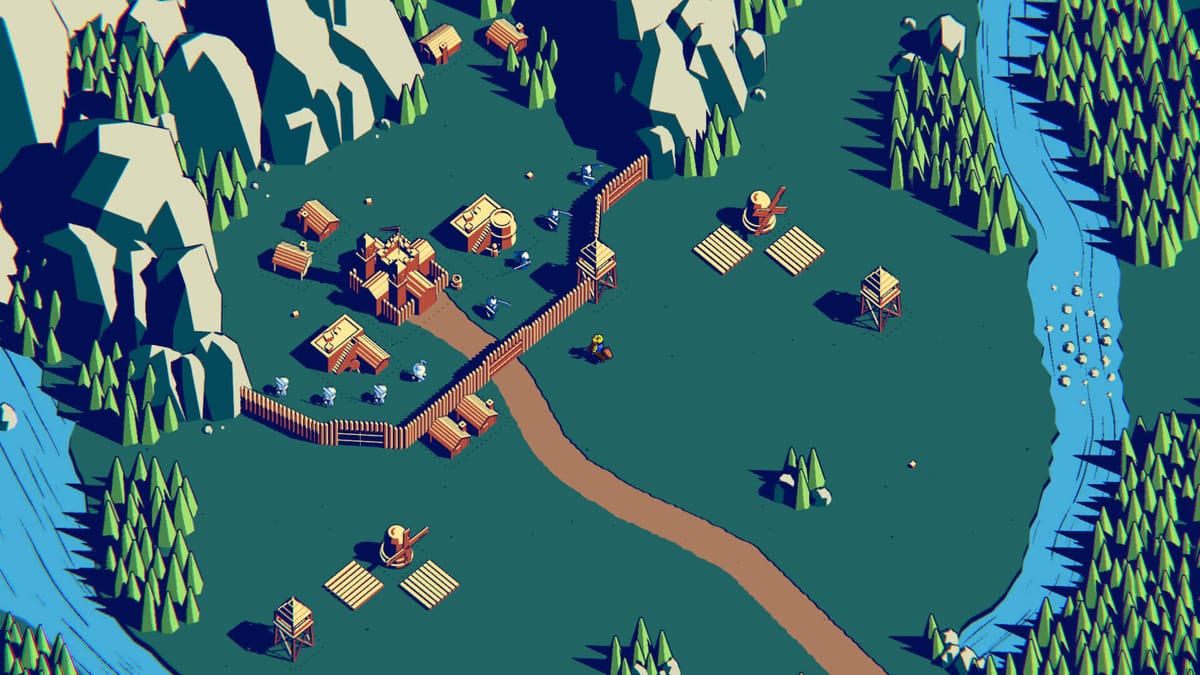
Thronefall strips base defense down to a very clean loop: build a compact stronghold, choose your defenses, survive the next attack, and make sharp tradeoffs between economy and protection. It is lighter, faster, and more arcade-forward than most games here, but it absolutely understands hold-the-line design.
Its lane and perimeter structure are simple enough to read at a glance, which is part of the appeal. You are not buried in a huge colony sim. You are making quick calls about tower placement, route coverage, mounted response, and where the next breach is most likely to happen. The game moves fast, but the defense decisions are still the center of the experience.
This fits best for players who want base defense without long setup phases or heavy systems overhead. It is especially good for people who like action-supported defense but still want the run to hinge on fortress planning rather than pure combat execution.
The tradeoff is scale and complexity. Thronefall is intentionally streamlined. If you want sprawling walls, dense logistics, or a long-form survival grind, it will feel too compact.
Creeper World 4
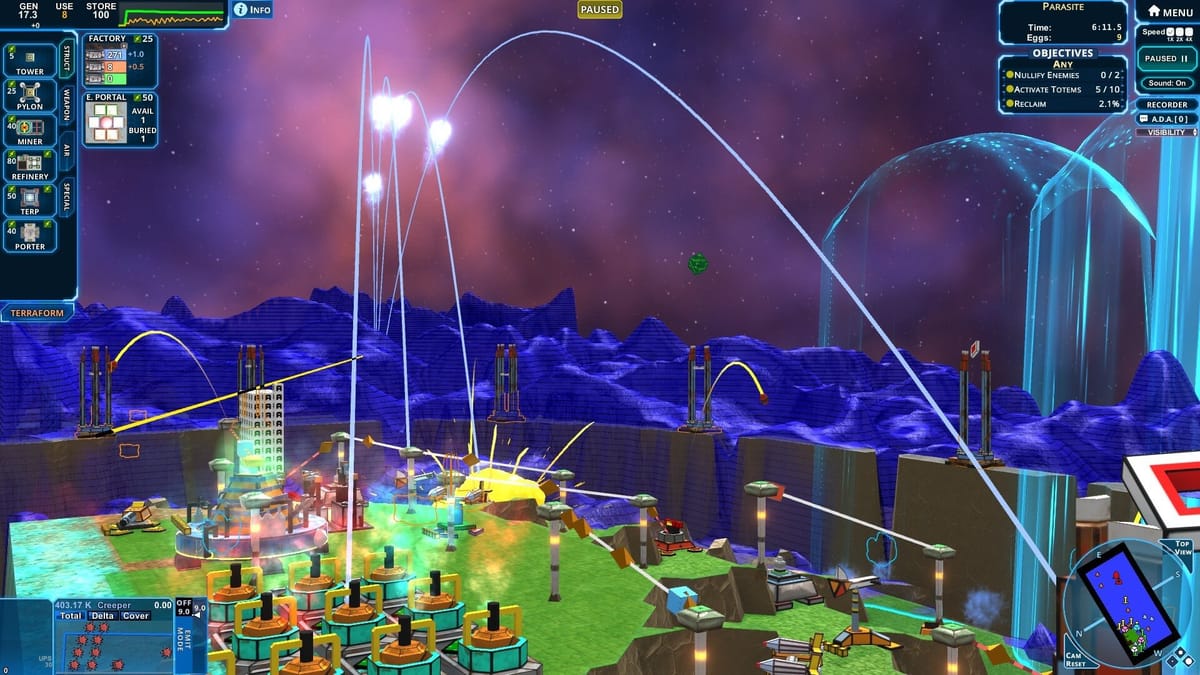
Creeper World 4 is a more unusual pick, but it earns its place because defending territory against a constant hostile flood is the whole game. Instead of standard siege armies, you are fighting an environmental liquid threat that spreads across terrain, overwhelms positions, and forces you to create a stable front line before pushing outward.
That creates a very specific defense loop. Chokepoints, height, line stabilization, and forward base placement matter, but the pressure behaves differently from a normal wave game. You are less concerned with individual breach moments and more concerned with whether your defensive network can resist and reclaim space without collapsing under flow pressure.
This is best for tactical players who like map control, pressure management, and a more systems-driven form of base defense. It fits the article because base survival and perimeter control are central, even if the enemy model is unconventional.
The reason it sits this low is simple: it is a partial fit compared with more traditional fortification games. If your ideal base defense game needs walls, castles, and obvious siege fantasy, Creeper World 4 is mechanically relevant but aesthetically off-angle.
Border Pioneer
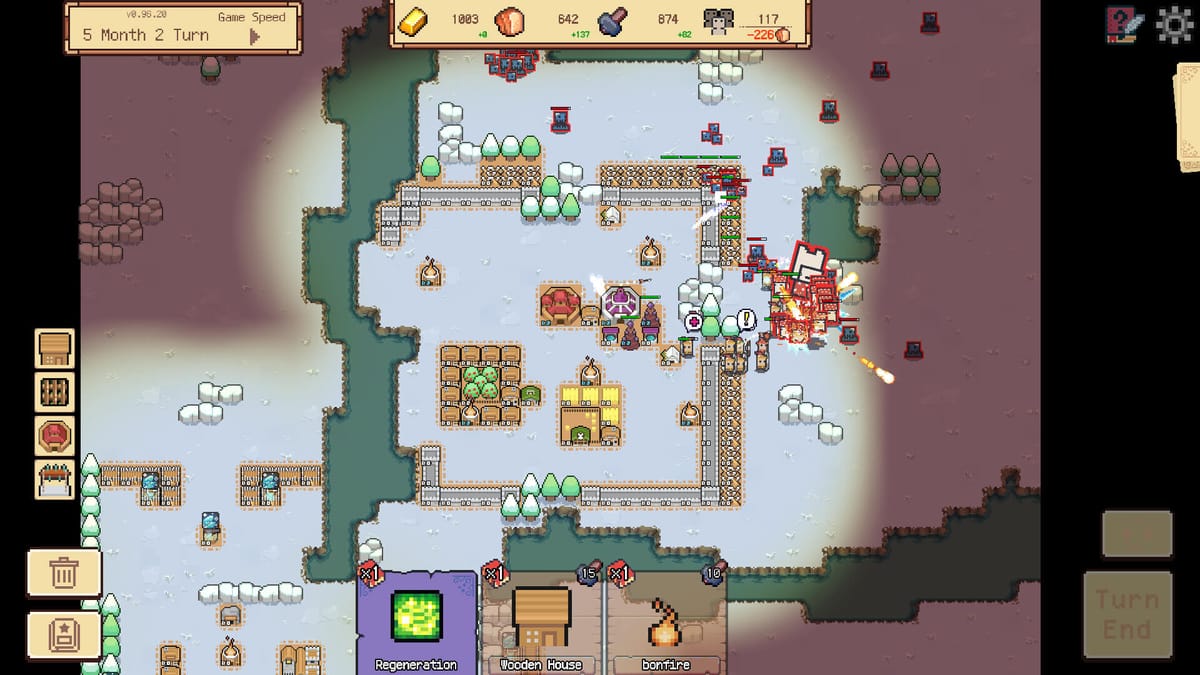
Border Pioneer is the most niche recommendation here, but the defensive identity is clear enough to justify inclusion. It mixes settlement building, route planning, and defensive preparation in a way that keeps your outpost under recurring pressure. You are establishing a frontier position and then trying to make that position hold.
The core appeal is the tension between expansion and survivability. Build too greedily and your perimeter gets thin. Turtle too hard and your growth stalls. That push and pull is central to good base defense, and Border Pioneer understands it. The defensive planning is not as deep or authoritative as the top of this list, but the hold-the-line framework is real.
It fits best for players who like lighter, more experimental colony-defense hybrids and want something that still respects chokepoints, defensive structure, and wave readiness. Think of it as a more conditional recommendation, not a genre anchor.
The tradeoff is recommendation confidence. It is more specialized and less foundational than the games above it. If you want the strongest, clearest examples of base defense first, start at the top and only come here once you know you want something narrower.
Which type of player will enjoy these most
These games click hardest for players who care about the perimeter more than the build menu. If your favorite moments are sealing a breach, extending a wall line, creating a kill zone, or surviving a final wave with half the base intact, this is your lane.
Go by defensive taste, not just genre label:
- Pick They Are Billions or Age of Darkness: Final Stand if you want survival-heavy colony defense with serious punishment for bad planning.
- Pick Riftbreaker or Thronefall if you want more active involvement during attacks and less passive observation.
- Pick Mindustry if your idea of defense starts with supply lines, ammo flow, and infrastructure resilience.
- Pick Cataclismo or Diplomacy Is Not an Option if walls, sightlines, and obvious siege geometry are the main draw.
- Pick Rise to Ruins, Creeper World 4, or Border Pioneer if you like the niche edges of base defense more than the pure classics.
What matters most when picking your next game
The first question is not setting or theme. It is what kind of defensive pressure you actually want.
Do you want structured siege pressure with walls, towers, and visible attack routes? Start with They Are Billions, Cataclismo, or Diplomacy Is Not an Option.
Do you want base defense plus direct action? Go with Riftbreaker or the leaner Thronefall.
Do you want infrastructure to be part of the defense loop instead of just support for it? Mindustry is the best answer here.
Do you want survival atmosphere and recurring stress cycles more than pure structure? Age of Darkness: Final Stand and Rise to Ruins make more sense.
One common mistake is chasing “base defense” as a label when what you really want is either classic lane-based tower defense or pure survival crafting. These games sit in the middle: fortification, perimeter control, and wave survival have to be the main event. If a game’s defense layer is secondary, it will not scratch the same itch.
FAQ
What is the difference between base defense and tower defense?
Base defense is broader and usually more perimeter-focused. You are protecting a settlement, colony, or stronghold with walls, structures, economy management, and often unit positioning. Tower defense is usually more lane-defined and centered on route coverage through tower placement. There is overlap, but base defense cares more about fortification and surviving pressure across a larger footprint.
Which game on this list is the best pure base defense pick?
They Are Billions is the clearest pure answer. It is heavily focused on colony fortification, choke points, wall layers, and catastrophic breach management. The whole game revolves around keeping a base alive under escalating siege pressure.
Which one is best if I want action with my defense planning?
Riftbreaker is the strongest choice for hybrid action-defense. You still need proper walls, turrets, power, and coverage, but the mech lets you directly reinforce weak points and fight through pressure instead of only watching your defenses work.
Are these more tactical or more survival-heavy?
It depends on the game. Mindustry and Cataclismo lean more tactical and systems-driven. They Are Billions, Age of Darkness: Final Stand, and Rise to Ruins lean more survival-heavy. Riftbreaker and Thronefall push further toward action-heavy defense.
Which game is best for players who want cleaner, simpler defense loops?
Thronefall is the easiest recommendation if you want compact maps, fast setup, and readable defensive decisions without the heavier colony-management load of the bigger base defense games.
Takeaway
The best base defense games are the ones that make your walls, choke points, and base layout feel like the difference between survival and collapse. For most players, start with They Are Billions, Riftbreaker, or Mindustry. They are the clearest answers to the best base defense games question, just from three different angles: survival pressure, action-defense, and systems-driven fortification.