Best Roguelite Tower Defense Games
The best roguelite tower defense games if you want repeatable runs, scaling upgrades, and defensive planning that changes every attempt.
Best Roguelite Tower Defense Games
The best roguelite tower defense games give you more than random upgrades. They make each run change how you hold lanes, protect a base, build chokepoints, and respond to wave pressure. That difference matters. A good run-based defense game forces real adaptation instead of repeating the same solved build every match.
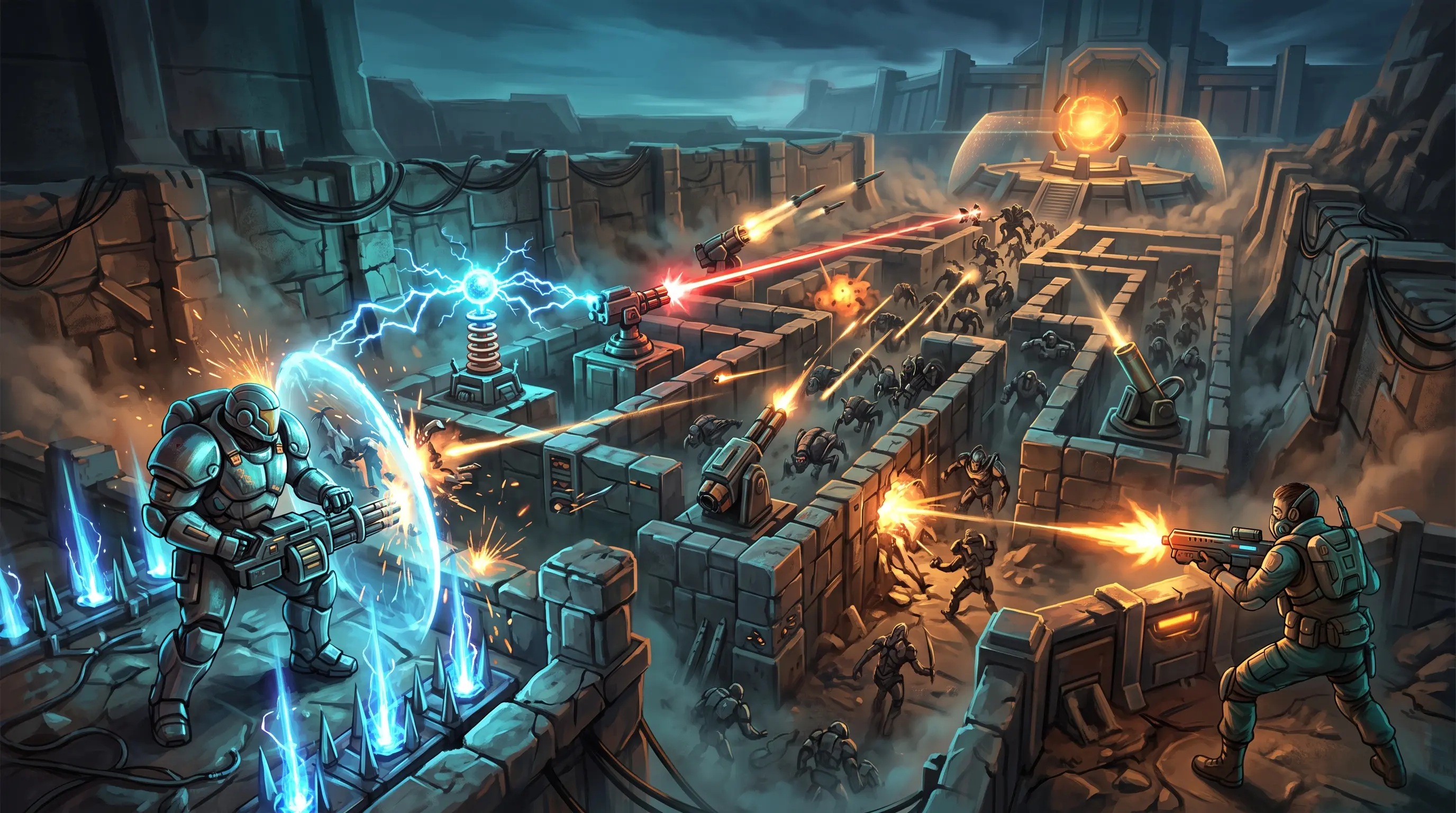
This list focuses on games where the roguelite structure actually affects the defense loop. Expect lane defense, trap-heavy maps, shifting tower plans, deckbuilding-driven strongholds, and hybrid action-defense where your direct involvement matters as much as placement. These are for players who want repeatable runs, stronger variation, and defensive planning that stays live from run to run.
Quick take
- Rogue Tower is the cleanest pure roguelite TD pick here. Simple structure, high replay value, and constant lane-readjustment.
- Isle of Arrows and Emberward are the safest picks after that if you want run variety to directly reshape placement decisions.
- Heretic's Fork, The Last Friend, and Defender's Quest: Valley of the Forgotten lean harder into hybrid systems, so they fit best if you want more direct action, deck pressure, or party management.
- Cataclismo, Dungeon Warfare 2, and Bad North are more specific tastes: stronger identity, heavier structure, or tighter real-time island defense, so they are less plug-and-play than the top three.
- Infinitode 2 is the systems pick. Great for players who want scaling, optimization, and long-term build depth more than personality.
The 10 picks
Rogue Tower
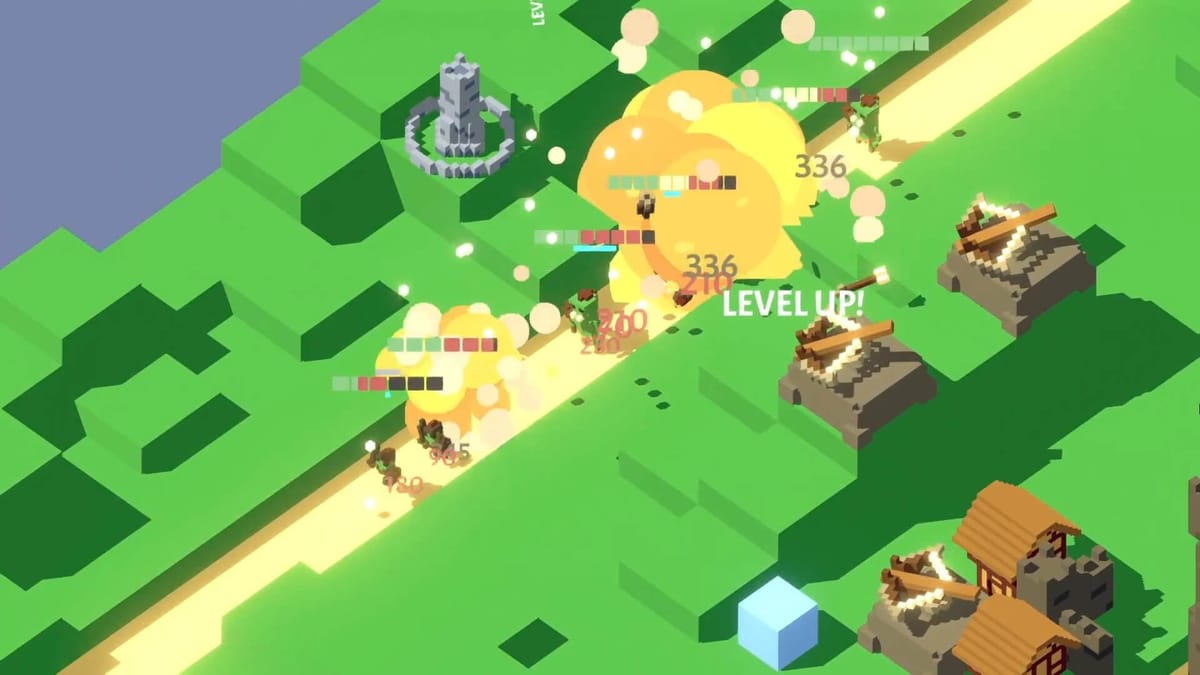
This is still the easiest first recommendation for most players searching for the best roguelite tower defense games. The defense loop is clear: expand the road, read where lanes split, place towers around new pathing, and survive escalating wave pressure with imperfect information. Every run changes because the map grows in pieces, so your coverage, economy, and kill zones never settle into one fixed answer.
Why it fits this list is simple. The roguelite structure is not cosmetic here. It directly changes lane layout, tower access, and the order of your defensive priorities. You are constantly asking whether to deepen one kill corridor, cover a new branch, or gamble on economy before siege pressure catches up.
Best for players who want tactical, readable lane defense and fast run resets. It especially clicks if you like making tower decisions under pressure rather than managing a full base. The tradeoff is that it is narrow by design. There is not much hero control, not much spectacle, and not much of a hybrid action layer. If you need direct combat or elaborate base-building, this will feel lean.
Isle of Arrows
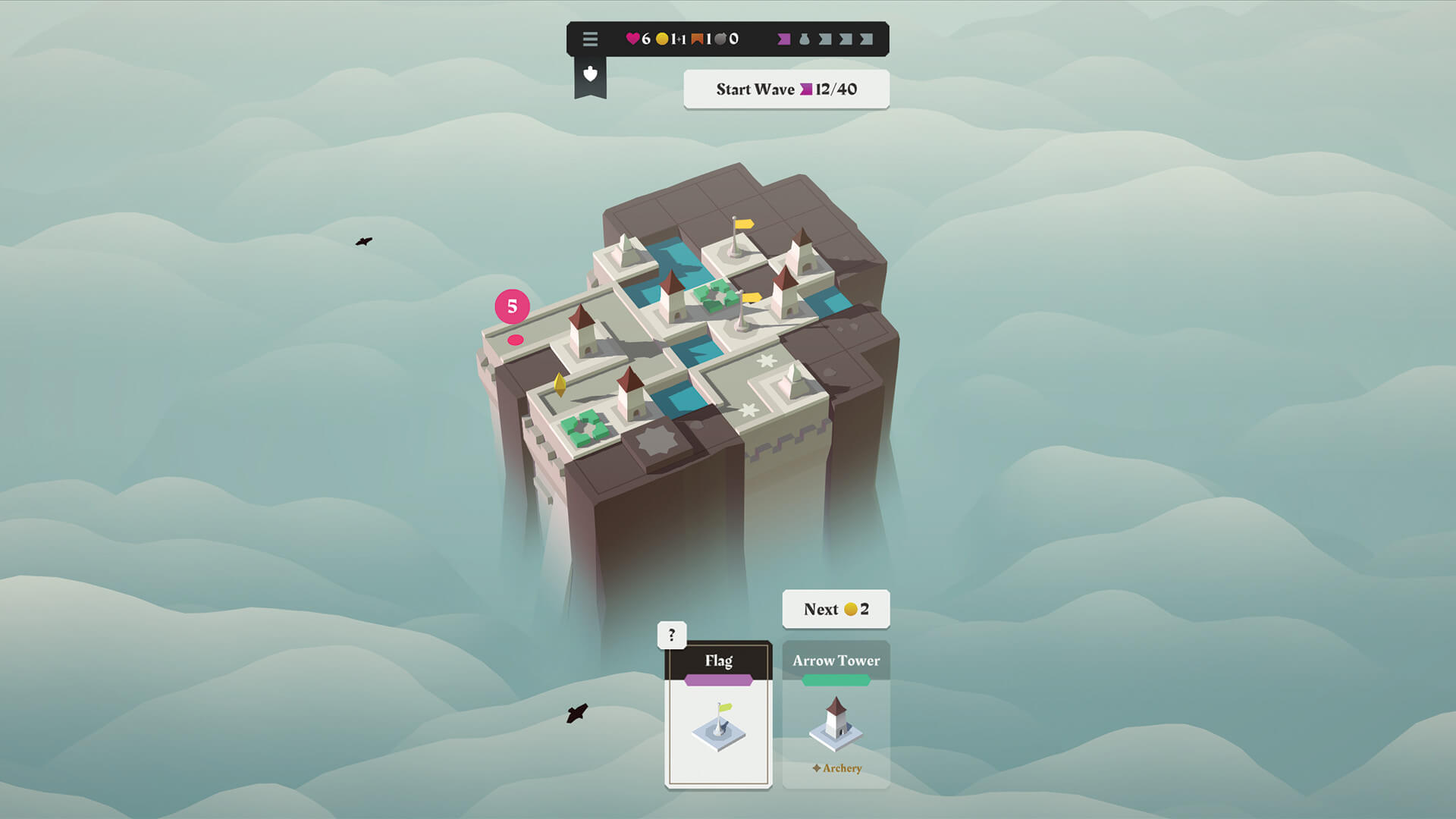
Isle of Arrows pushes roguelite TD in a more spatial direction. You are not just placing towers along fixed lanes. You are drawing the defense itself through tile placement, extending the map, shaping approach lines, and building around limited board space. The result is a defense loop that feels half puzzle, half lane control.
That makes it one of the strongest picks in the genre. Run-to-run variation actually changes your planning because placement options, tile order, and board constraints force you to improvise. Chokepoints do not simply exist on the map. You create them through careful expansion and tower adjacency.
This is for tactical players who care about map readability, efficiency, and compact defensive design. It rewards people who like squeezing value out of awkward spaces more than those who want nonstop action. The tradeoff is pace. Isle of Arrows is more deliberate and cerebral than explosive. Players chasing a heavier action-defense mix may find it too restrained.
Emberward
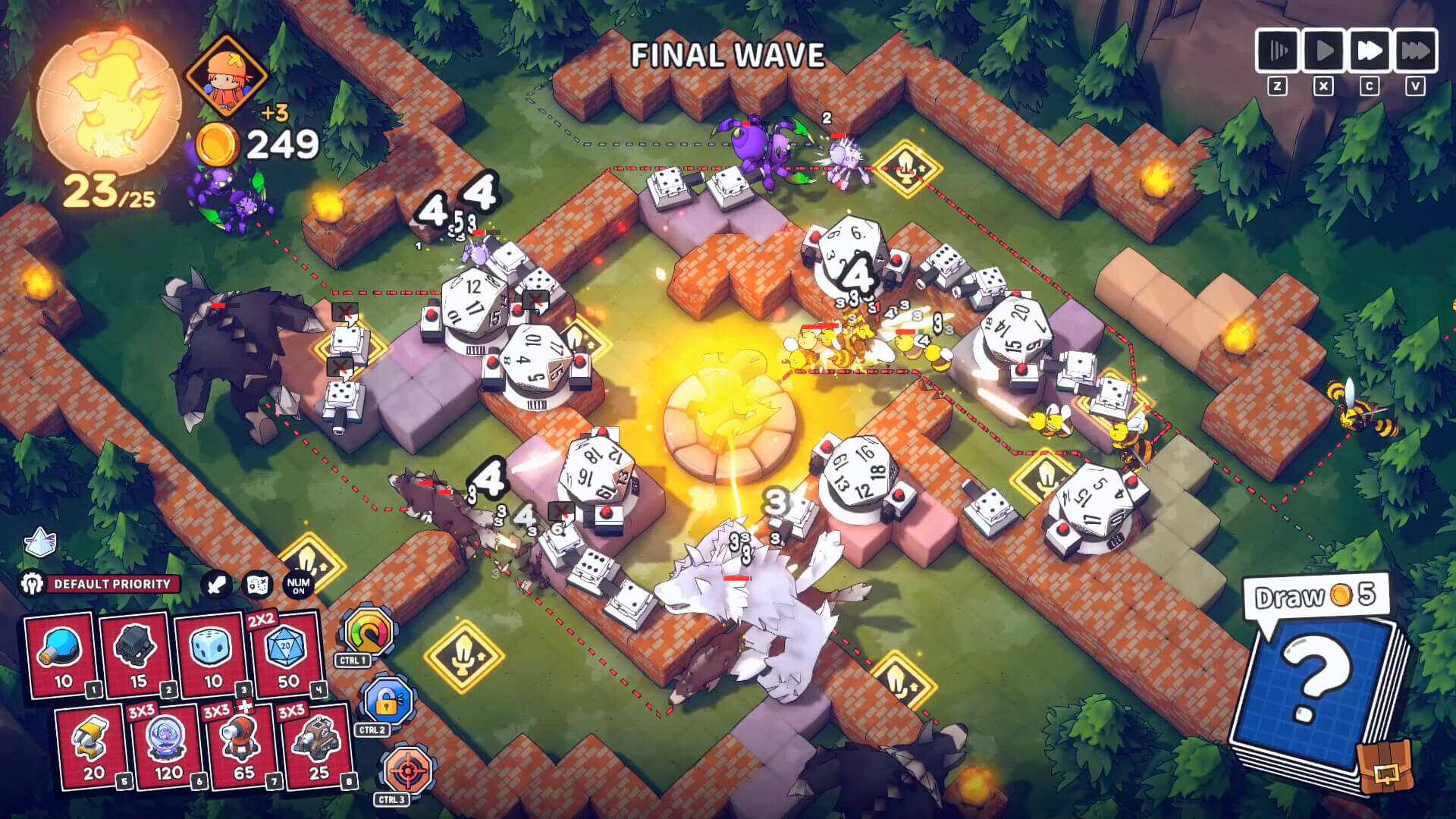
Emberward earns its high placement because it treats path control as the run. You build the maze, route the enemy, and then reinforce the killbox with towers that need to match the path you created. That gives each run a strong defensive identity right away: shape the lane first, optimize damage second.
It fits this article extremely well because the roguelite layer changes both what you can build and how you should shape the map around it. Some runs want long winding paths for attrition. Others push you toward tighter burn zones or specific tower synergies. The important part is that route adaptation and tower planning stay linked.
Best for players who like structure in their chaos. Emberward gives you enough randomness to keep runs fresh, but the defense loop stays legible because lane engineering is always central. The downside is that it asks more from your placement logic than many arcade-style TDs. If you prefer straightforward “drop towers and react” flow, the map-shaping layer may feel like extra homework.
Heretic's Fork
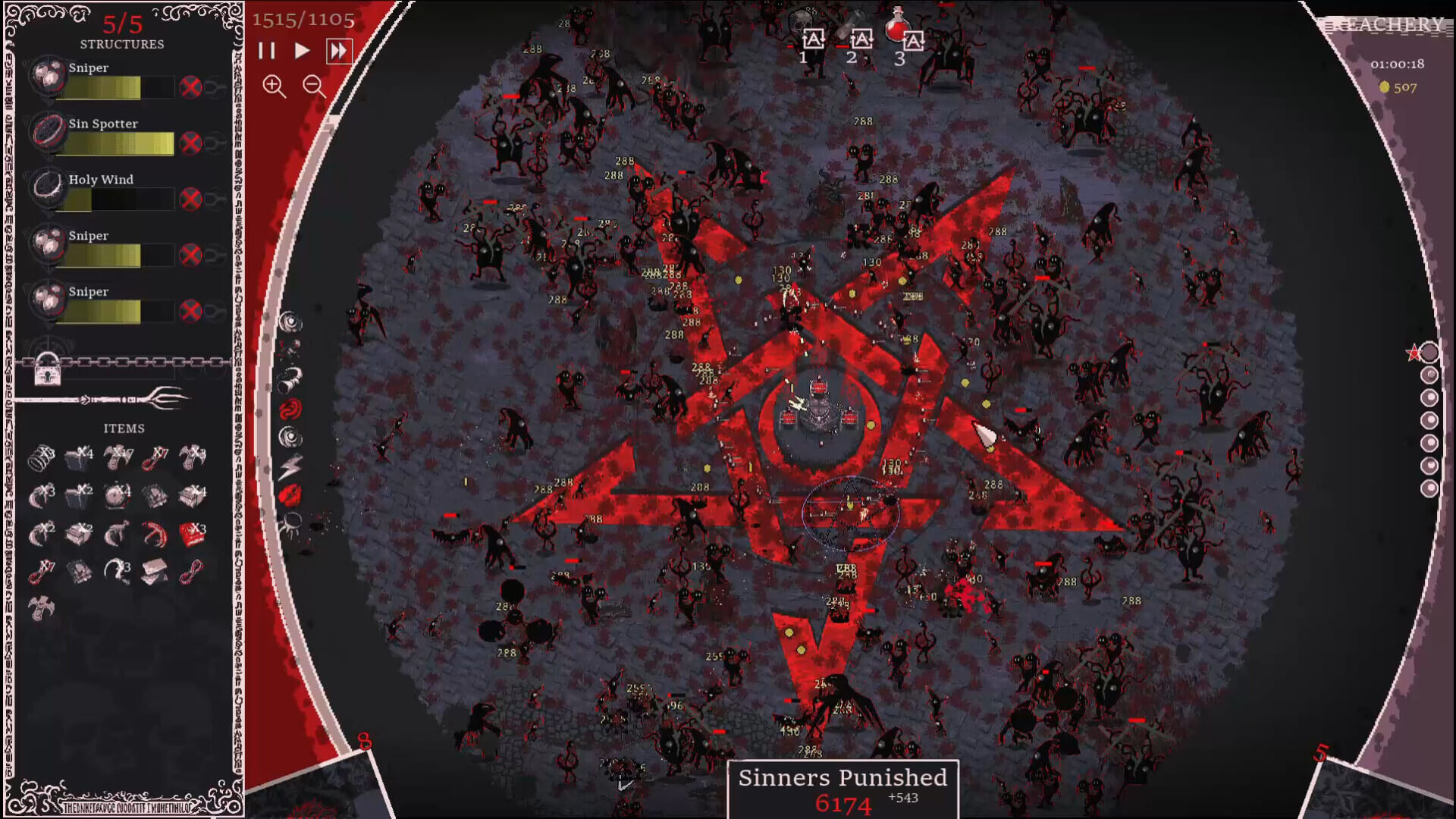
Heretic's Fork is a more aggressive hybrid. Its defense loop mixes lane control with deckbuilding pressure, where your card choices determine what tools you have for handling incoming waves. Instead of a broad base-building canvas, it pushes you into a tighter hold-the-line format where timing, tower effects, and upgrade combinations decide whether the lane collapses.
That deck-driven structure is exactly why it belongs here. This is one of the better examples of a roguelite TD where run variation is not just about map randomness. Your defensive identity changes based on the set of effects and structures you assemble. Some runs lean into stalling and attrition. Others become burst-heavy or status-focused.
This one fits players who want action-heavy pacing and shorter-term decision pressure. It is good for people who like seeing a build come online quickly and then testing it against escalating wave density. The tradeoff is that it is less spatially rich than the top lane-builders on this list. If your favorite part of tower defense is detailed placement and long-form map shaping, this may feel more system-driven than terrain-driven.
The Last Friend

The Last Friend is the most overtly action-defense game in the upper half of this list. You are actively involved while still managing traps, defensive tools, and lane pressure, so the feel is closer to a brawler wrapped around base defense than a classic static tower defense setup. Enemies are still coming in waves, your hold-the-line structure still matters, and your ability to reinforce weak points is part of the loop.
Why it works here: the roguelite structure helps the action-defense balance instead of distracting from it. Different runs change how you support your defenses, what tools you lean on, and how aggressively you can control the field yourself instead of letting towers do all the work.
This is best for players who think pure TD can get too passive and want direct hero involvement without losing the defensive backbone. It is especially good if you like active correction when a flank starts failing. The tradeoff is that it is less cleanly tactical than the top three. If you want elegant lane geometry and pure placement-driven wins, this is a noisier, more action-led fit.
Defender's Quest: Valley of the Forgotten
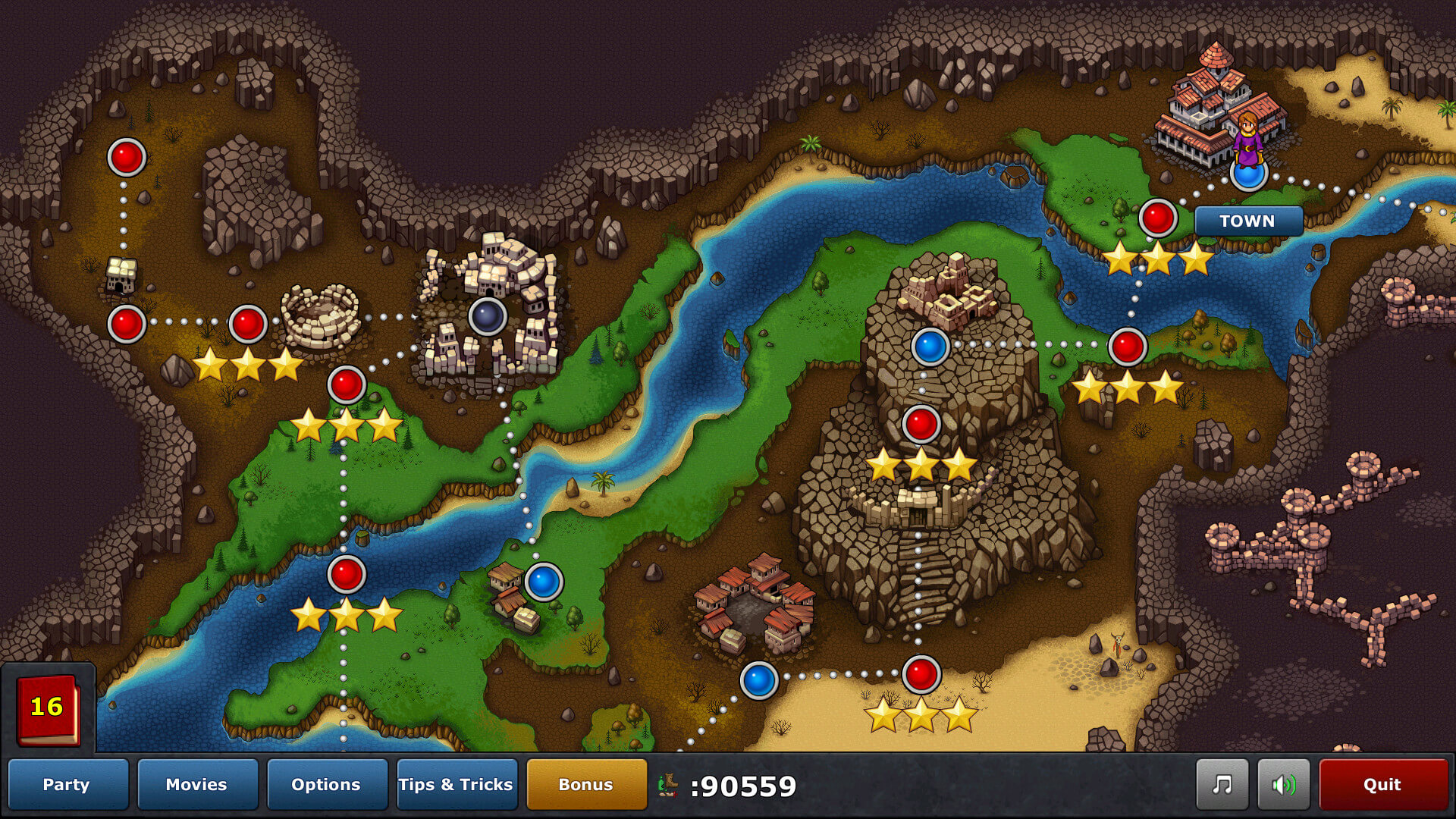
Defender's Quest: Valley of the Forgotten sits in a different part of the hybrid-td space. Its defense loop is lane-based, but your “towers” are party units with RPG progression, positioning rules, and role coverage. That makes each defense feel less like building structures and more like arranging a living frontline, ranged backline, and support core to survive repeated assault waves.
It makes this list because it captures a strong run-and-build mentality even though it comes from an older hybrid school than newer roguelite TD games. The appeal is in adapting unit composition, managing defensive roles, and surviving pressure through smart placement rather than twitch action.
Best for players who want tactical defense with strong progression and readable battle lines. If you like the idea of tower defense filtered through party-building, this still lands. The reason it may not click is just as important: it is only a partial fit for players chasing modern roguelite randomness. Its hybrid identity is excellent, but its run structure is less overtly run-reset driven than the higher-ranked, more explicitly roguelite picks above it.
Cataclismo
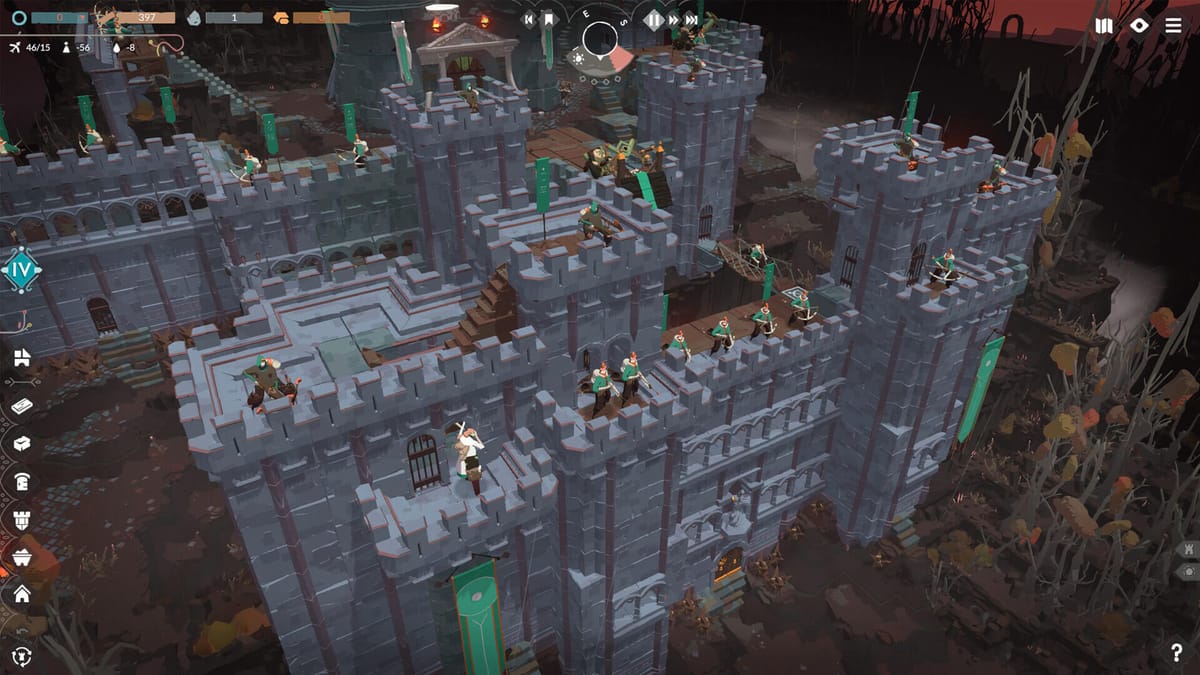
Cataclismo is the base-defense specialist here. Instead of defending a neat tower lane, you are building walls, platforms, firing lines, and layered fortifications to survive siege pressure. Height, structural integrity, and line of attack matter. The defense loop is about constructing a stronghold that can absorb a rush, hold chokepoints, and keep ranged coverage intact as the enemy pushes.
That earns it a place on this list because its run-to-run appeal comes from adapting fortress design under pressure. It scratches the same roguelite TD itch through variable defensive layouts and rebuild decisions, even though it feels broader and more fortress-focused than a classic lane defense game.
This is for players who want survival-heavy defense with strong construction logic. It fits people who like the planning side of hold-the-line gameplay and want their base itself to be the main puzzle. The tradeoff is accessibility. It is heavier than most entries here, with more structural thinking and less instant arcade payoff. If you want quick retries and obvious lane reads, Cataclismo can feel demanding.
Dungeon Warfare 2
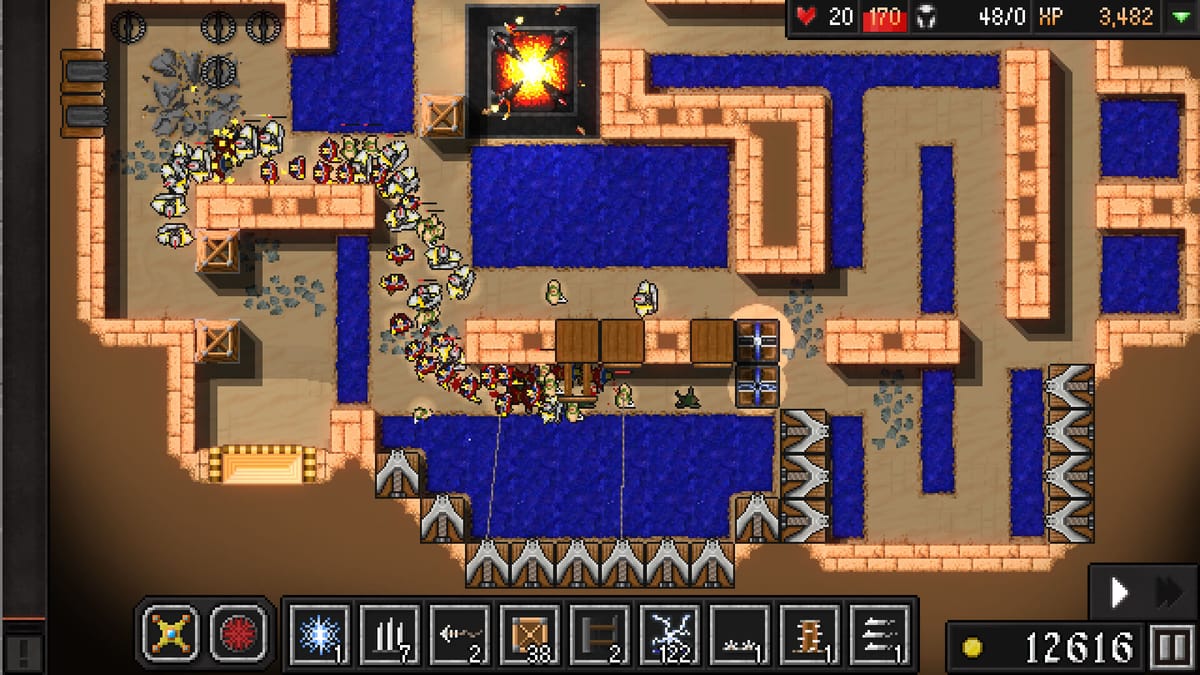
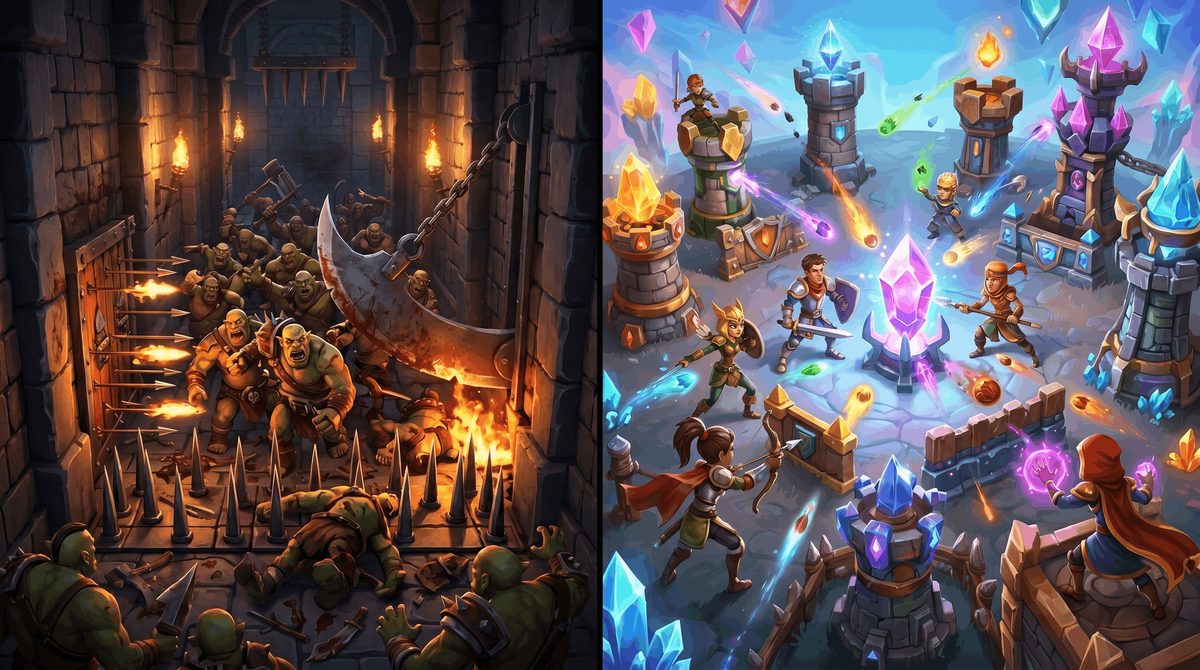
Trap-first defense is the pitch. Dungeon Warfare 2 cares less about pretty tower lines and more about brutal kill corridors, knockback chains, spike zones, and enemy manipulation. You are designing a death tunnel, not just placing generic damage output. That makes it one of the strongest picks for players who think traps and forced movement are the best part of defense design.
It belongs on this list because run variation and build progression change how you engineer those corridors. Different trap combinations create different answers to wave pressure, and the game rewards players who understand how to stack control, displacement, and damage into one efficient chokepoint.
This is best for tactical players who like high map readability and exact setup payoffs. It is also great for people who enjoy watching a defense plan execute with minimal micromanagement once the trap logic is correct. The tradeoff is that it is more trap-heavy than tower-heavy, and that distinction matters. If you want a broader tower roster or more active hero involvement, this may feel too specialized.
Infinitode 2
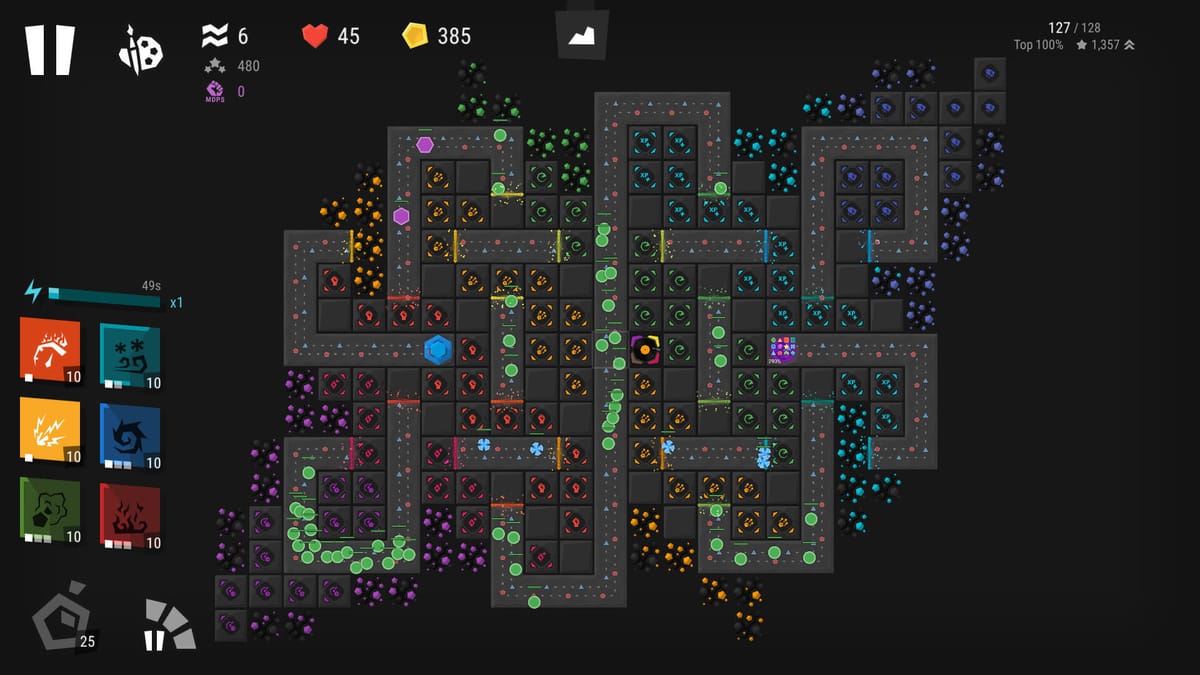
Infinitode 2 is the optimization pick. Its defense loop is built around lane control, scaling tower interactions, and long-term upgrade depth. Runs are less about personality and spectacle, more about solving wave pressure through clean numbers, efficient coverage, and deep progression systems.
That makes it a strong inclusion, but a lower-ranked one for this specific article. It absolutely fits players looking for tower defense games with runs and significant build variation, yet its appeal is more systemic than expressive. The roguelite-style replay comes from experimenting with loadouts, tower priorities, and progression paths rather than from dramatic run identity.
Choose this if you want a tactical, systems-heavy TD you can study and optimize over time. It is excellent for players who enjoy refining a defense plan inch by inch. The reason it may not click is equally clear: if you want a more thematic hybrid action-defense game or a run-based structure that feels different immediately, Infinitode 2 can seem dry.
Bad North
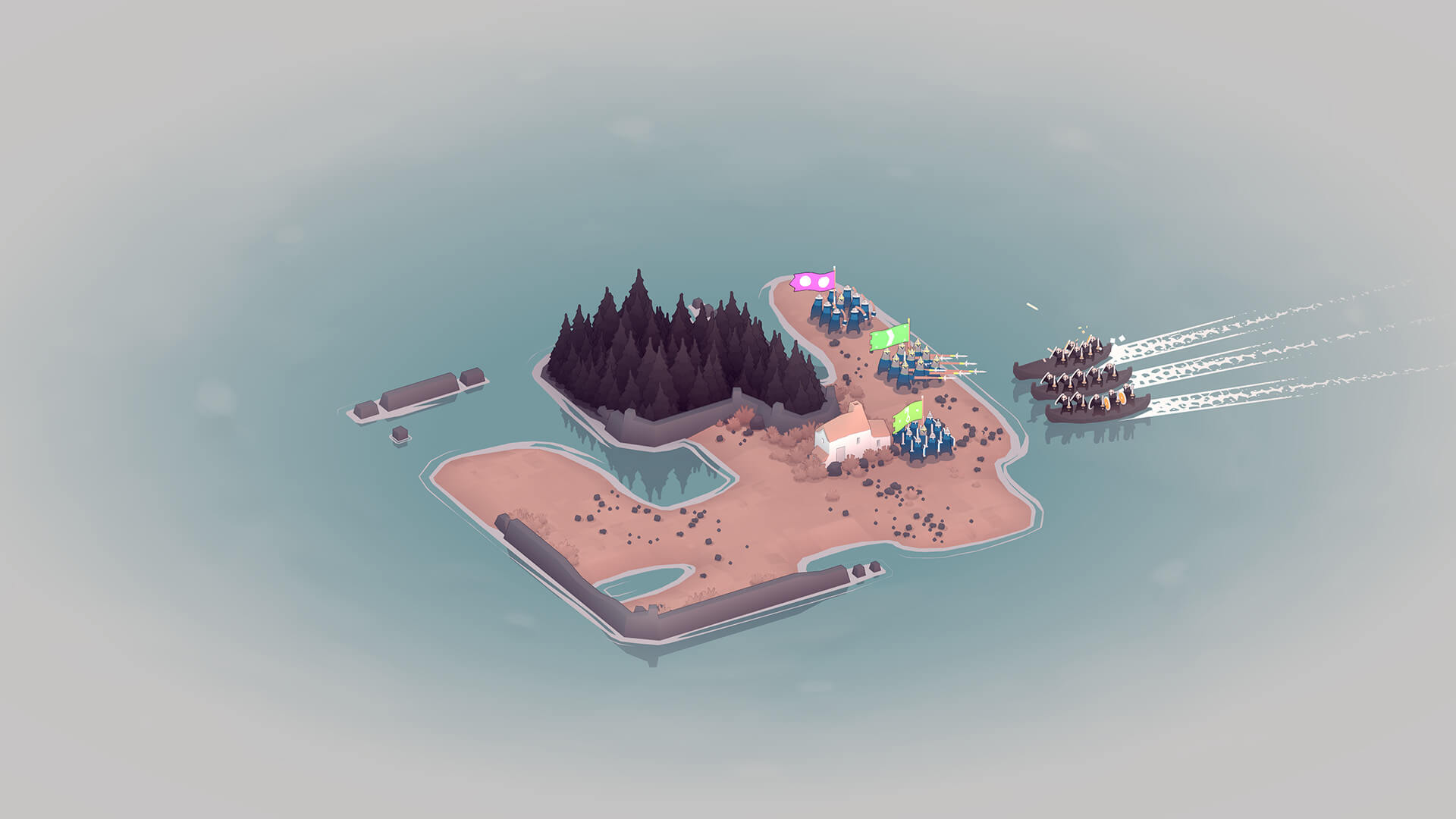
Bad North closes the list as a roguelite-flavored island defense game with a minimalist real-time tactics loop. You defend small landmasses with a limited squad, reposition units between waves, and try to keep houses standing as Viking raids escalate. The key tension is not “where do I place towers,” but “where do I commit my few defenders when the next island layout punishes greedy positioning?”
That procedural island structure is why it belongs here. Runs feel different because geography, threat angles, and unit limits change how you solve each defense. It is less about building a sprawling base and more about clean reads, fast corrections, and accepting losses when a bad island asks too much of your current tools.
Bad North is for players who want roguelite pressure without deckbuilding complexity. It rewards calm micro and map awareness more than long upgrade trees. The tradeoff is scope. Compared with the top picks, it is lighter on classic tower placement, and players who want deep tower synergies or long optimization runs may find it too short-form and tactically stark.
Which type of player will enjoy these most
These games click hardest for players who get bored once a tower defense map is solved. If you want every run to scramble tower order, pathing options, trap usage, or base layout, this is the right slice of the genre.
You will probably like this list most if your taste leans toward one of these styles:
- Tactical lane defenders: Go straight to Rogue Tower, Isle of Arrows, or Emberward.
- Action-defense players: Start with The Last Friend or Heretic's Fork.
- Base and stronghold builders: Cataclismo fits best. Bad North fits if you want procedural islands and small-squad defense instead of construction-heavy fortresses.
- Trap engineers: Dungeon Warfare 2 is the cleanest answer.
- Systems optimizers: Infinitode 2 gives you the deepest numbers-and-scaling focus.
- RPG hybrid fans: Defender's Quest: Valley of the Forgotten still works if you want units in lanes instead of static towers.
What matters most when picking your next game
For the best roguelite tower defense games, the real decision is not just theme or difficulty. It is where the run variation happens.
Look at these three filters first:
-
Do you want random maps, random builds, or both?
Rogue Tower, Isle of Arrows, and Emberward make spatial adaptation central. Heretic's Fork leans more on build and card variation, while Bad North leans on unit positioning and island-to-island variation. -
How active do you want to be during waves?
If you want direct involvement, go with The Last Friend. If you prefer planning up front and watching the defense execute, Dungeon Warfare 2 or Infinitode 2 are stronger fits. -
Do you want lanes, a base, or a fortress?
For clear lane structure, pick Rogue Tower or Defender's Quest: Valley of the Forgotten. For broader base survival, pick Cataclismo. For small-squad tactical defense on shifting islands, Bad North is the better match.
A common mistake is picking by “roguelite” label alone. Some games randomize rewards but leave the actual defense loop mostly unchanged. The stronger picks here are the ones where runs force new route planning, new tower priorities, or new ways to hold pressure.
FAQ
Is Rogue Tower still the best starting point for most players?
Yes. It is the cleanest entry point because the lane-defense loop is immediately readable, the roguelite variation matters every run, and the decisions stay focused on path growth, tower coverage, and scaling wave pressure.
Which game here is most like a classic tower defense with roguelite runs?
Rogue Tower is the closest overall. Infinitode 2 also fits if you want a more systems-heavy version, while Isle of Arrows keeps the core defense focus but adds a stronger tile-placement puzzle layer.
What should I play if I want more direct action instead of passive tower watching?
The Last Friend is the best answer if you want active involvement during defense. Heretic's Fork also feels more immediate and aggressive than a traditional sit-back TD, though it is driven more by build and card pressure than by direct hero combat.
Which pick is best for trap-heavy chokepoint defense?
Dungeon Warfare 2. Its entire identity is built around trap placement, forced movement, and engineered kill corridors. If your favorite part of defense design is making one lane catastrophically lethal, start there.
Are all of these pure tower defense games?
No, and that is the point of this list. These are hybrid and roguelite-leaning defense games where runs, deckbuilding, active combat, fortress construction, or unit-based defense change the hold-the-line formula. They still fit Towerward's niche because defense structure remains central.
Takeaway
The best roguelite tower defense games are the ones that make run variation change your actual defense plan, not just your upgrade screen. Rogue Tower, Isle of Arrows, and Emberward are the safest picks for most players, while the rest get more specific about traps, base survival, direct action, or deck-driven defense.