Best Mobile Tower Defense Games
The best mobile tower defense games if you want clean controls, readable lanes, and wave-based strategy that works well on a smaller screen.

Best Mobile Tower Defense Games
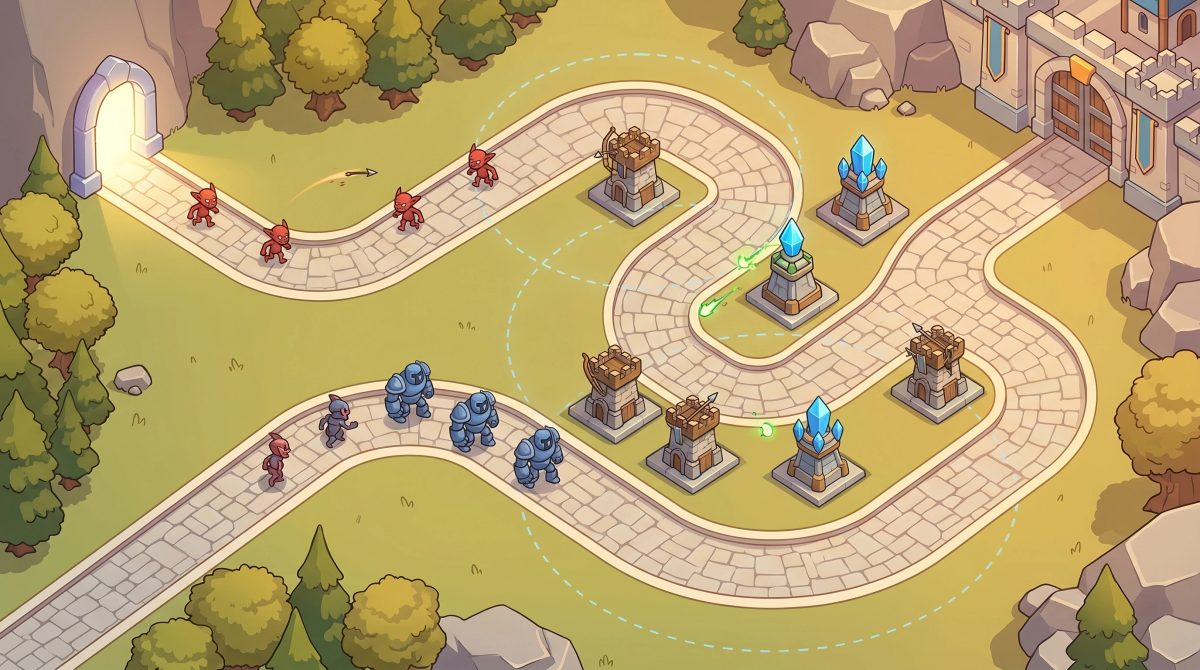
The best mobile tower defense games are the ones that still feel like real lane defense on a small screen. You need readable paths, clean touch controls, fast tower placement, and enough wave pressure that positioning still matters instead of turning into idle tapping.
This list stays focused on classic tower defense and close-fit defense variants that work well on phones. These picks are for players who care about lane control, choke coverage, upgrade timing, and map clarity, not shallow mobile busywork or loose action games with wave dressing.
Quick take
- Bloons TD 6 is the safest overall pick. Strong lane readability, deep tower planning, and touch controls that never fight you.
- Kingdom Rush and Kingdom Rush Frontiers are still elite mobile-first choices for players who want compact maps, fast decisions, and hero-supported lane defense.
- Plants vs. Zombies remains one of the best entry points because its lane logic is crystal clear and every placement decision is easy to read on a phone.
- Infinitode 2 and Dungeon Warfare 2 fit players who want heavier optimization, tighter kill-zone planning, and less hand-holding.
- The lower half of the list gets more specific: stranger structure, more niche pacing, or partial-fit defense loops that still work for mobile players chasing hold-the-line pressure.
The 10 picks
Bloons TD 6
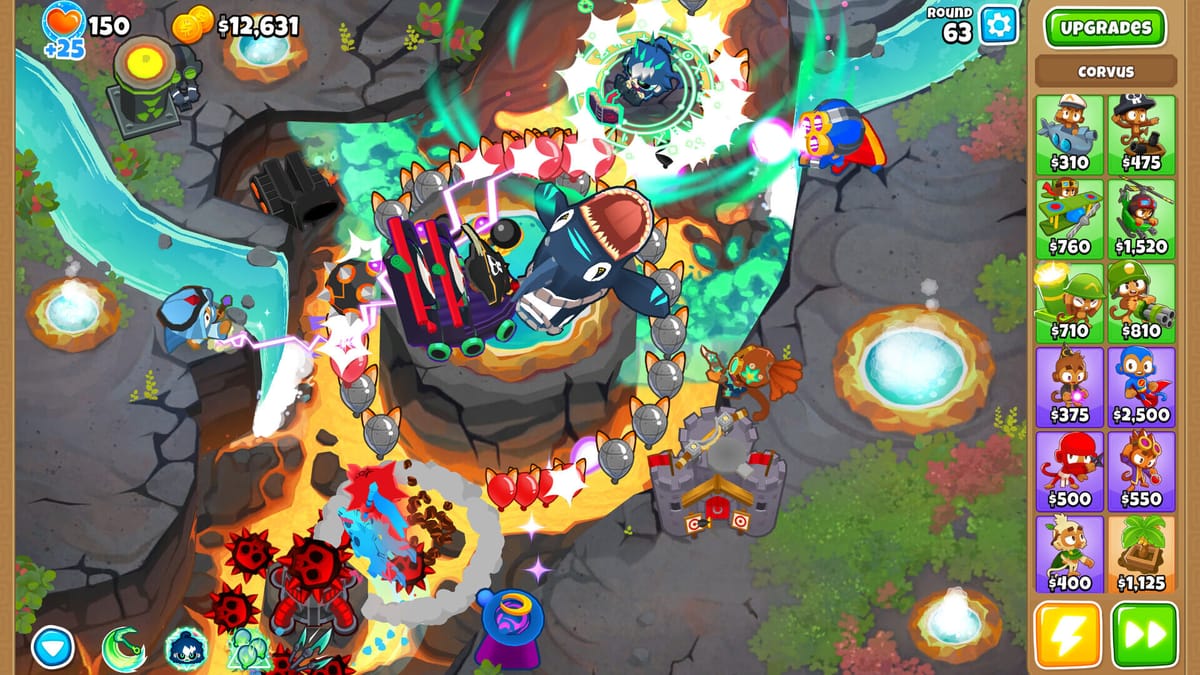
This is still the benchmark for mobile TD. The core loop is pure lane defense: place towers around fixed routes, build layered damage coverage, react to wave properties, and scale through upgrades that radically change role and range. On a phone, that structure stays readable even when maps get busy.
It ranks first because it handles the mobile format better than almost anything else in the genre. Tower placement is precise, paths are easy to parse, and wave threats are communicated well enough that you can make tactical decisions without fighting the screen. It also supports both clean beginner setups and highly optimized late-game planning.
Best for players who want the full classic tower defense package on mobile: tactical but still fast, deep without being obscure, and strong on both short runs and longer defense sessions. The tradeoff is that its sheer tower and upgrade depth can be a lot if you want a simpler, more stripped-back lane defense game.
Kingdom Rush
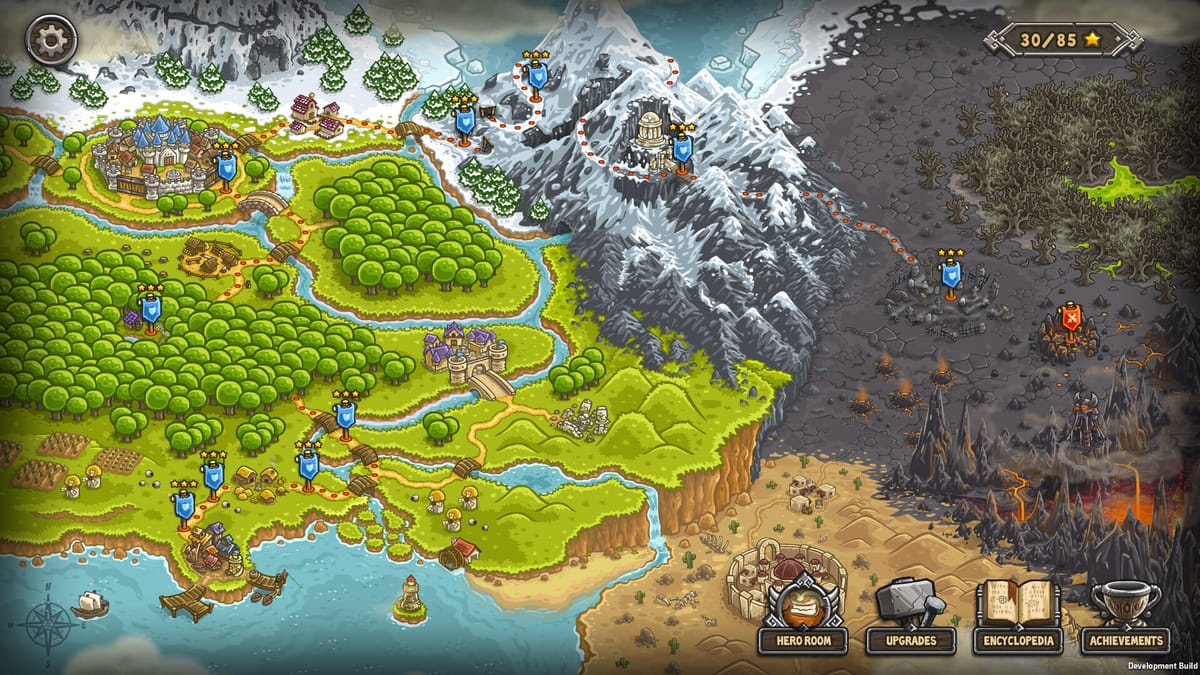
For players who value compact map design and instant readability, Kingdom Rush is one of the best tower defense games on mobile. It uses clear lanes, fixed tower pads, and short wave windows that force quick choices about artillery, archers, barracks, and mage coverage.
What makes it such a strong mobile fit is discipline. The maps are easy to read at a glance. Chokepoints are obvious. Reinforcements and hero actions add just enough active control without turning the game into a full action-defense hybrid. You still win through lane planning first.
This is the right pick for players who want a more curated and more arcade-leaning defense loop than Bloons TD 6. It is especially strong for shorter sessions where you want meaningful wave pressure without a long setup period. The limitation is tower placement freedom: if you prefer open maps and elaborate custom kill zones, the fixed-slot structure can feel restrictive.
Kingdom Rush Frontiers
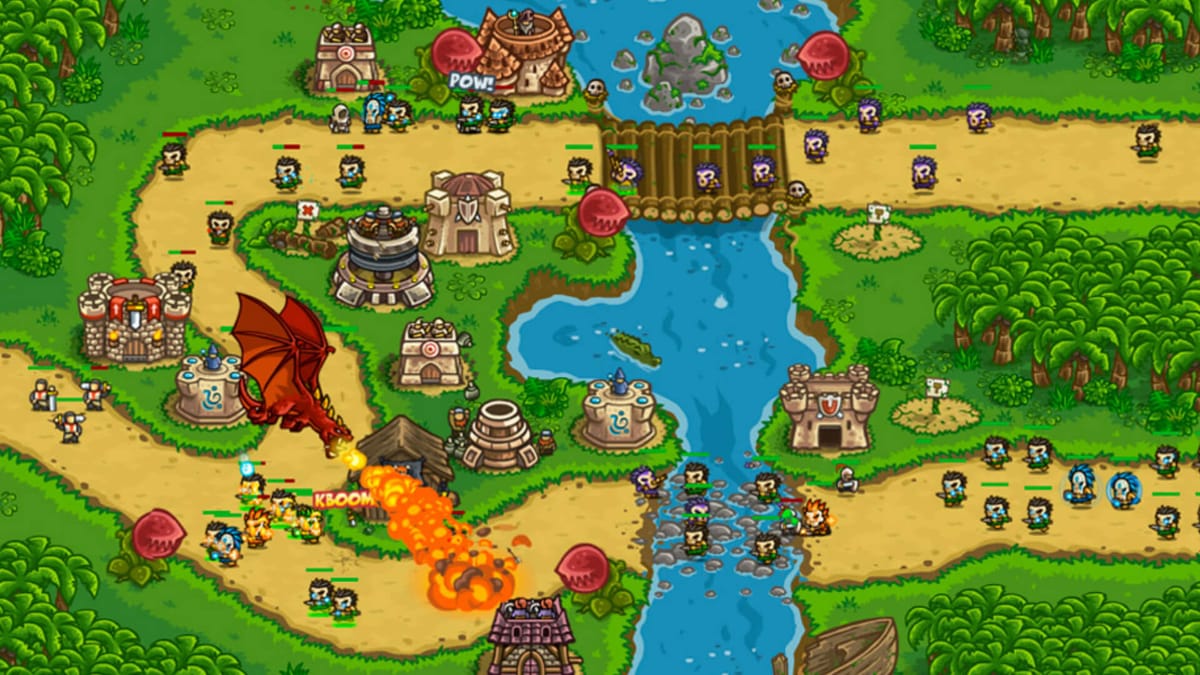
Frontiers takes the Kingdom Rush formula and pushes it into a slightly busier, more ability-driven direction. The lane defense foundation is still intact: fixed tower nodes, well-defined routes, and strong wave readability. But the towers are weirder, the enemies ask more from your coverage planning, and the hero layer matters a bit more.
It belongs this high because it keeps the same excellent mobile legibility while offering a broader tactical range than the first game. You get more ways to answer specific enemy types, and the map pressure ramps harder once mixed waves start stressing your front line and back-line damage balance.
This one fits players who liked Kingdom Rush but want more aggressive pacing and more specialized towers. It leans slightly more arcade and slightly less clean than the first game. That is also the tradeoff: some players will prefer the original’s tighter simplicity and clearer lane discipline over Frontiers’ extra moving parts.
Plants vs. Zombies
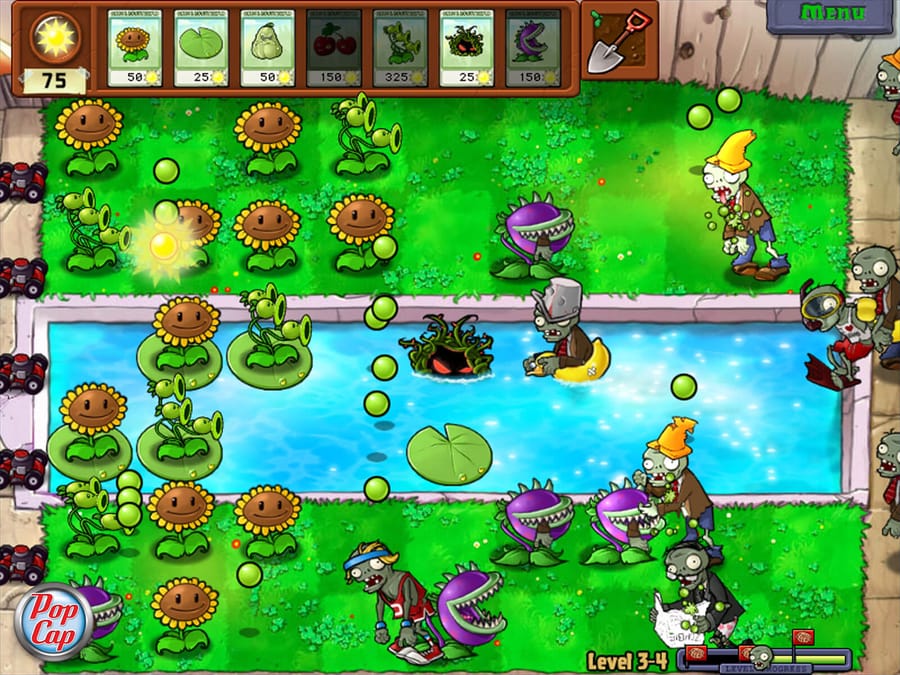
Plants vs. Zombies earns its spot because almost no mobile TD explains lane defense better. Five horizontal lanes. Constant forward pressure. Immediate visual feedback. Sun economy, cooldowns, and plant positioning all tie directly into holding a fixed frontline against escalating waves.
For mobile play, that clarity matters. You can read every lane in seconds, identify a weak point immediately, and adjust your setup without camera friction or clutter. It is one of the cleanest examples of route control on a small screen, even if its structure is lighter than some of the more systems-heavy games above it.
This is the best fit for players who want approachable but still meaningful defensive planning. It is more tactical than it first appears, especially once special zombies start forcing lane-specific answers. The tradeoff is depth ceiling: compared to top-tier modern mobile td games, its upgrade and build complexity is narrower.
Infinitode 2
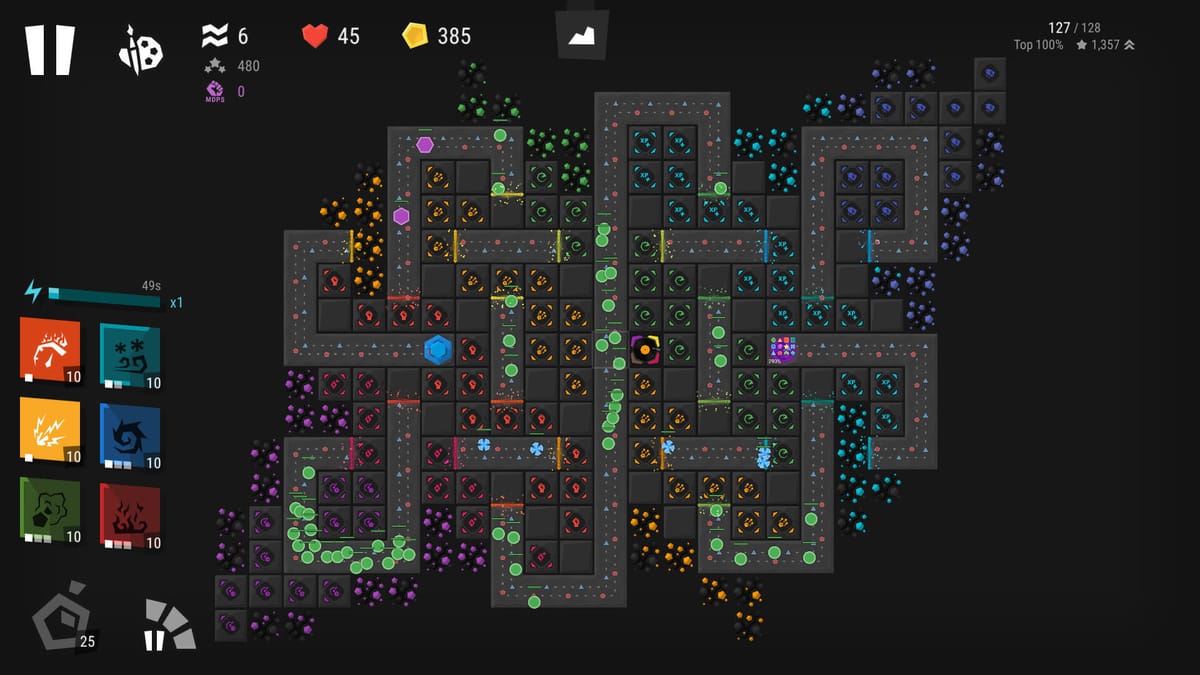
Infinitode 2 is for players who want the spreadsheet side of tower defense without losing the lane-defense core. The maps emphasize route geometry, range overlap, efficiency, and long-term upgrade planning. It is less about flashy tower identity and more about building a mathematically sound defense network.
On mobile, that works because the interface supports detailed planning while keeping pathing readable. You are often thinking about optimal placement, damage scaling, and how to shape coverage around long lane segments rather than surviving through hero abilities or reactive tricks. The result is more tactical and more optimization-heavy than arcade.
It fits players who enjoy dissecting systems, refining builds, and replaying maps to improve efficiency. It may not click if you want stronger personality, a lighter tone, or a more immediate push-and-pull rhythm. This is a cerebral defense game first, and its presentation is much drier because of it.
Dungeon Warfare 2
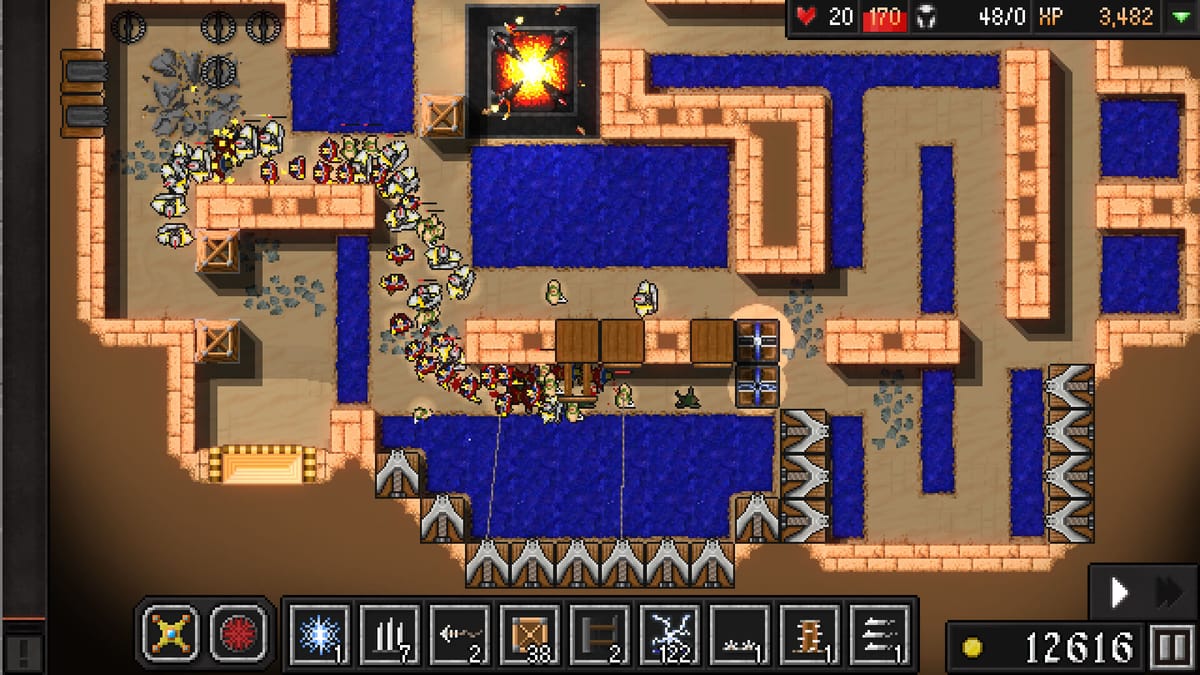
This is the trap-heavy option on the list. Instead of leaning on traditional lane towers alone, Dungeon Warfare 2 asks you to build layered kill boxes, force enemy movement through hazard chains, and create punishing chokepoints. The defense loop is still wave-based and positional, but it feels closer to route engineering than classic lane coverage.
That makes it a strong fit here for players who like defensive planning over spectacle. Mobile sessions work well because each map centers on readable route manipulation: push, pull, slow, spike, crush, and stack effects where enemy pressure is most concentrated. The fun comes from brutal efficiency, not from broad battlefield sprawl.
Best for tactical players who want more trap logic and less pure tower spam. The clear caveat is that it is not a textbook classic tower defense game in the same way as Bloons, Kingdom Rush, or Plants vs. Zombies. If you want traditional tower identities and straightforward lane reads, this can feel more system-heavy and meaner by design.
The Battle Cats
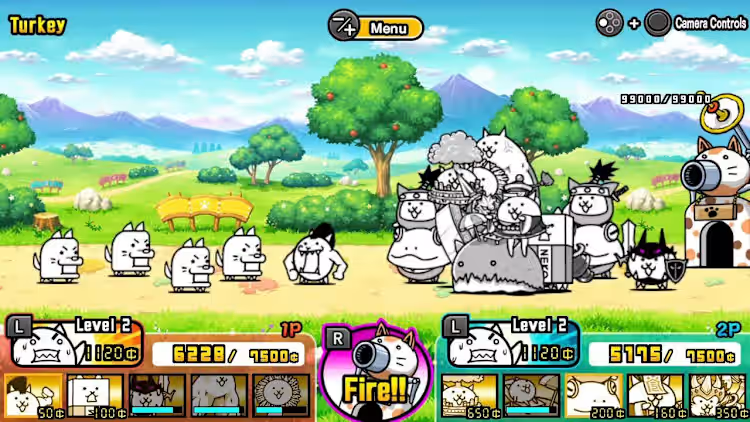
The Battle Cats is a lane defense game filtered through absurd pacing and strange unit interactions. Its core loop is still hold-the-line mobile defense: deploy units into a single side-scrolling lane, manage pressure, protect your base, and push when the wave state finally turns in your favor.
It makes this list because that lane readability works extremely well on phones. You always know where pressure is building, and the battlefield is easy to parse. But unlike the more tower-placement-focused games above, this is more about timing deployments, managing unit roles, and reading wave momentum than building static defenses.
This suits players who want a lighter, more arcade-heavy mobile defense game while still keeping a true lane-based structure. The reason it may not click is simple: if you are specifically chasing classic tower placement, chokepoint building, and map-based route control, this is a partial fit rather than a pure one.
Radiant Defense
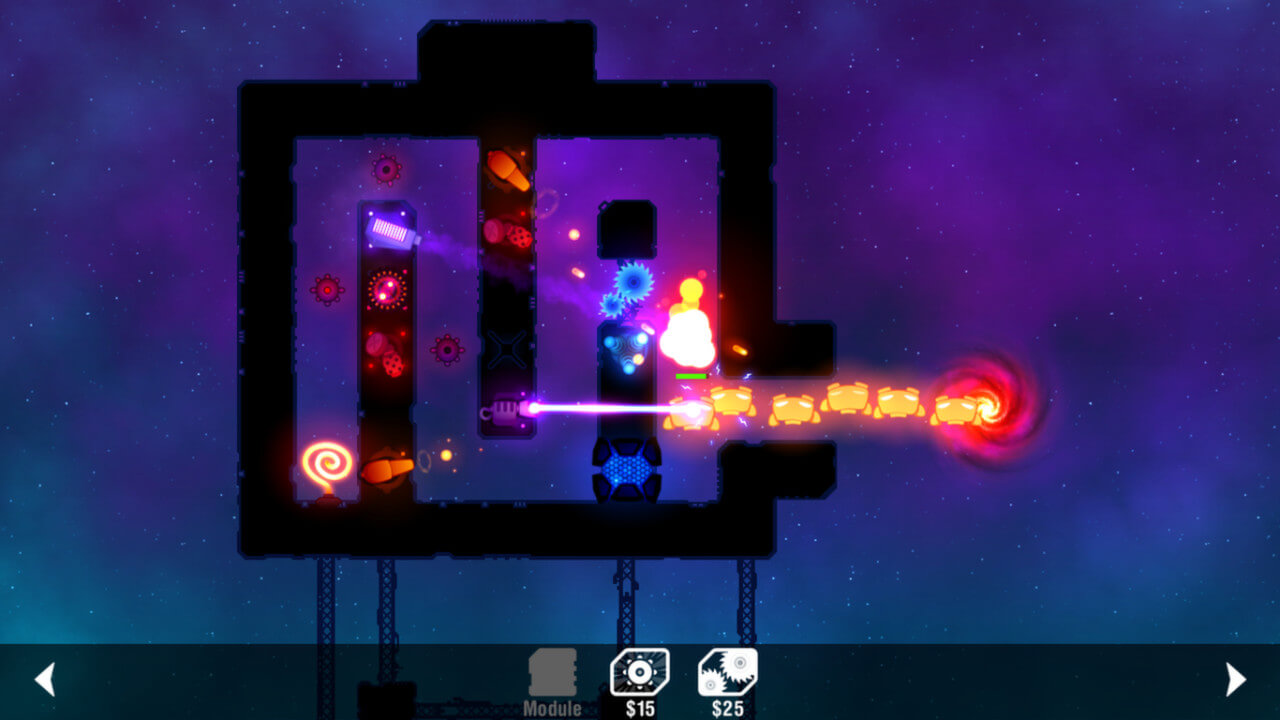
Radiant Defense earns its place through route control. The defining mechanic is shaping the enemy path with your defensive layout, then covering those forced turns with towers and upgrades. That gives it a stronger emphasis on lane construction than many mobile tower defense games.
It works on a small screen because its maps and visual language stay focused. You are not juggling huge battlefields or messy camera work. You are making local, high-value choices about where enemies will travel and how your towers punish every bend. That planning layer gives it more tactical bite than its bright style suggests.
This is best for players who enjoy manipulating path structure and building deliberate kill corridors. The tradeoff is pacing and scope. It can feel narrower and less broadly polished than the top-ranked picks, so it lands better with players who specifically want route-building defense rather than a bigger all-purpose TD package.
Anomaly: Warzone Earth
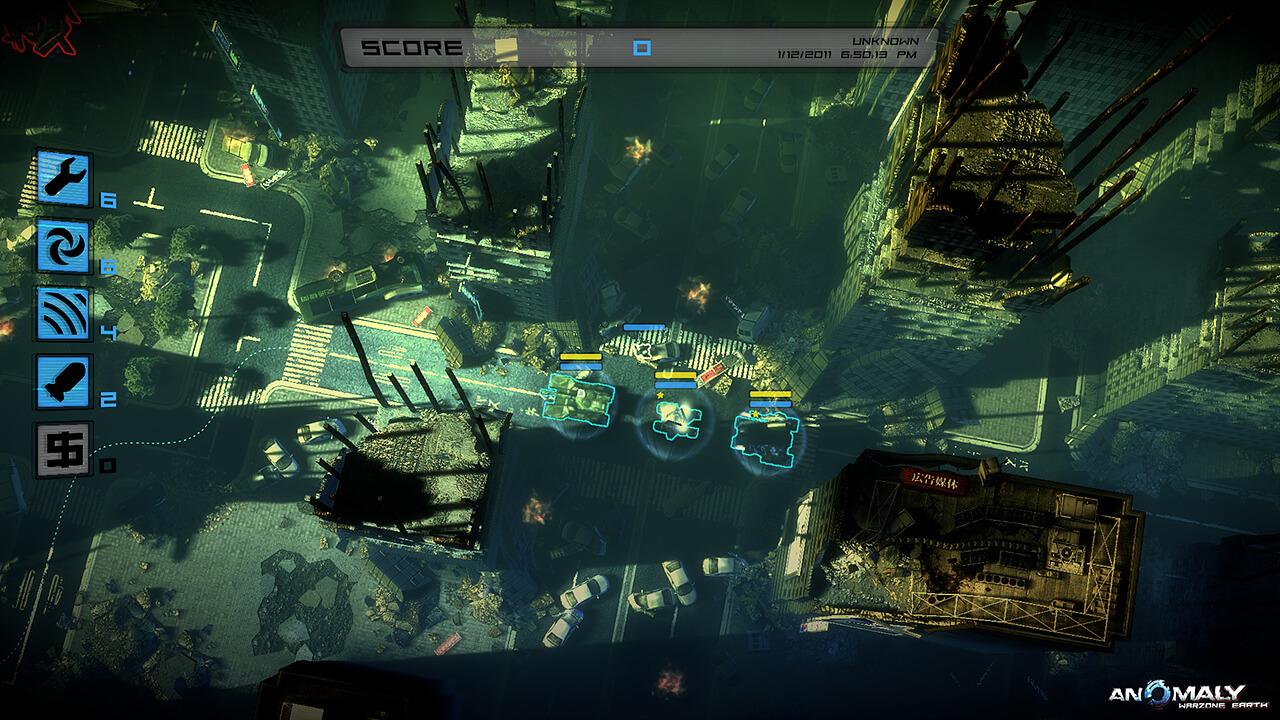
Anomaly: Warzone Earth is the inversion pick. Instead of placing towers, you guide units through hostile defensive lanes. That means it sits at the edge of this article’s focus, but it still belongs because the entire game is built around reading turret zones, managing route safety, and surviving concentrated hold-the-line pressure from fortified enemy positions.
On mobile, that reverse-TD structure is surprisingly readable. You are studying choke coverage, deciding when to push through kill zones, and using active support abilities to keep a convoy alive under wave-like defensive fire. The lane logic is there, just from the attacker’s side.
This is for players who know the genre well enough to enjoy a flipped perspective while still caring about defensive map logic. It may not satisfy someone who wants pure classic tower building, because you are solving fortified lanes rather than constructing them. That partial-fit status is exactly why it sits low on the list.
Bloons TD 5

Bloons TD 5 is lower only because Bloons TD 6 exists. The core loop is still excellent mobile tower defense: readable paths, dependable tower roles, strong upgrade planning, and enough wave variety to reward careful coverage over sloppy stacking.
It remains a valid pick for players who want a slightly cleaner, more straightforward version of Bloons’ lane defense structure. The maps are easy to process on a phone, placement is responsive, and the defensive rhythm is less mechanically dense than its successor. In that sense, it is still one of the safer phone tower defense games if you prefer simpler systems.
The real tradeoff is obvious. Most players choosing between the two should start with Bloons TD 6, which has the stronger overall package. Bloons TD 5 makes more sense if you specifically want the older pacing and a less layered set of defensive systems.
Which type of player will enjoy these most
These games click hardest for players who want real defensive structure on mobile instead of passive progression loops. That usually means you care about one or more of these:
- Readable lanes over visual noise. You want to spot weak coverage fast and understand why a wave broke through.
- Tower placement that actually matters. Good maps create meaningful range overlap, chokepoints, and damage specialization.
- Short-to-medium sessions with real decisions. Mobile works best when a map can be played in focused bursts without becoming mindless.
- A clear defense identity. Some picks here are tactical and measured, others are arcade-heavy or trap-heavy, but all of them are built around holding a line.
- Touch controls that support planning. The best mobile tower defense games let you place, upgrade, and read pressure without friction.
If you want the most traditional classic TD feel, start with Bloons TD 6, Kingdom Rush, Kingdom Rush Frontiers, or Plants vs. Zombies. If you want more specialized systems, move toward Infinitode 2 or Dungeon Warfare 2.
What matters most when picking your next game
First, decide how much structure you want in your maps. Fixed lanes and fixed tower pads create fast readability and cleaner mobile play. Open placement systems usually offer more freedom, but they ask more from your planning and screen management.
Second, be honest about pacing. Some players want tactical lane defense with time to think. Others want faster wave pressure and more active intervention. Kingdom Rush sits in the sweet spot for quick tactical sessions. Bloons TD 6 supports both casual clears and deeper planning. Infinitode 2 is for players who want to optimize every layer.
Third, check how much action you want mixed into your defense loop. Hero skills, manual support, traps, or unit deployment can improve mobile feel, but they also shift attention away from pure tower planning. That is not bad. It just changes the kind of defender the game is asking you to be.
Finally, do not mistake progression systems for depth. The best tower defense games on mobile stay interesting because of lane pressure, wave design, and placement decisions. Unlocks help, but map readability and defensive planning are what keep the loop strong.
FAQ
What is the best mobile tower defense game overall?
For most players, Bloons TD 6 is the best overall pick. It has the strongest balance of lane clarity, tower depth, touch controls, and long-term replay value without drifting away from classic tower defense structure.
Which mobile tower defense game is best for beginners?
Plants vs. Zombies is the easiest recommendation for beginners because its lane structure is instantly readable. Kingdom Rush is also a strong starting point if you want a more traditional tower-and-wave format with simple controls.
Which pick is best if I want deeper optimization?
Go with Infinitode 2. It is the most systems-driven game on this list and rewards players who enjoy refining placements, scaling upgrades, and squeezing more efficiency out of every lane segment.
Are all of these pure classic tower defense games?
Not quite. Most are strong classic or near-classic fits, but a few are more specialized. Dungeon Warfare 2 leans trap-heavy, The Battle Cats is more lane-unit defense than tower placement, and Anomaly: Warzone Earth flips the formula into reverse TD.
Which one is best for short phone sessions?
Kingdom Rush is excellent for quick sessions because its maps are compact, wave reads are immediate, and the fixed-pad structure keeps decisions fast. Plants vs. Zombies is another good pick when you want clean lane defense in shorter bursts.
Takeaway
The best mobile tower defense games are the ones that keep lanes readable, placement meaningful, and wave pressure clear on a smaller screen. Bloons TD 6 is the safest overall choice, Kingdom Rush and Kingdom Rush Frontiers are still top-tier mobile-first defenders, and the rest of the list covers the niche edges without losing the hold-the-line core.